
Last updated November 15, 2026
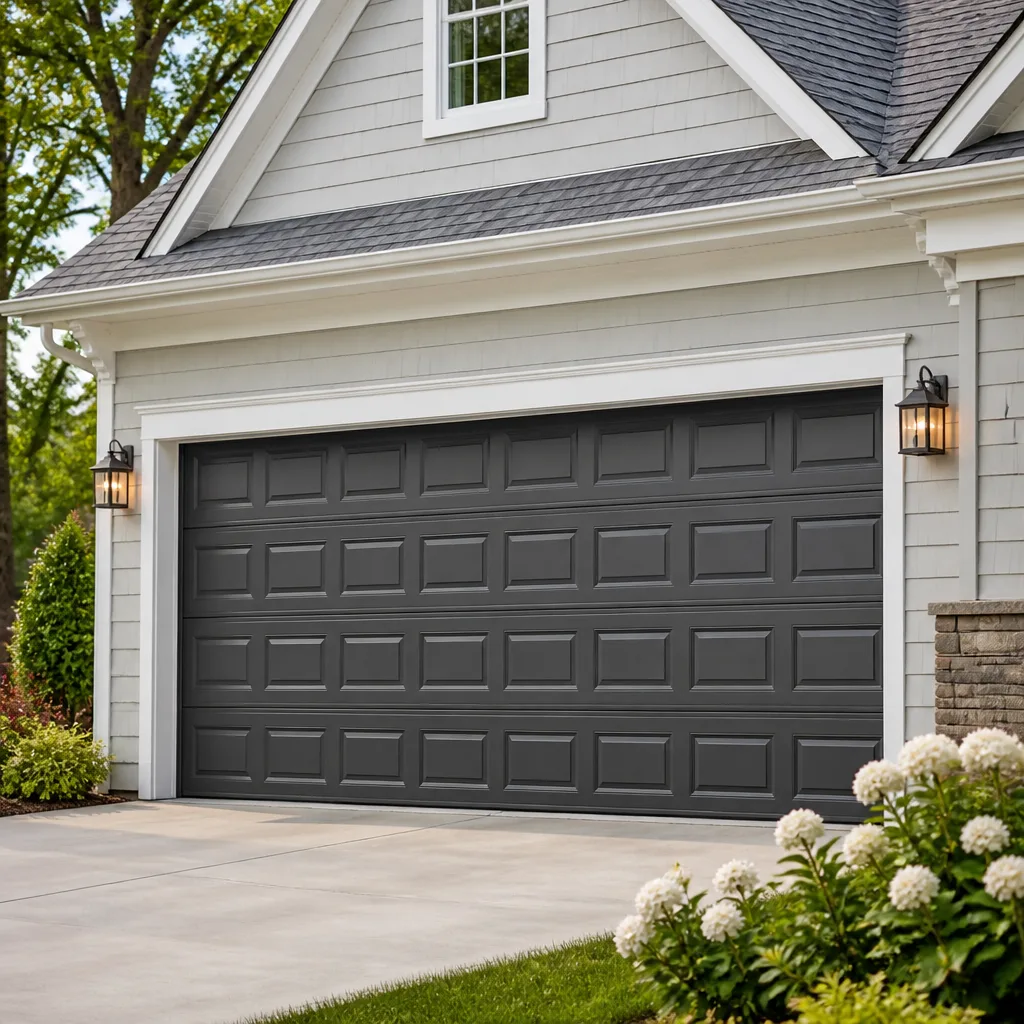 Raised-panel steel
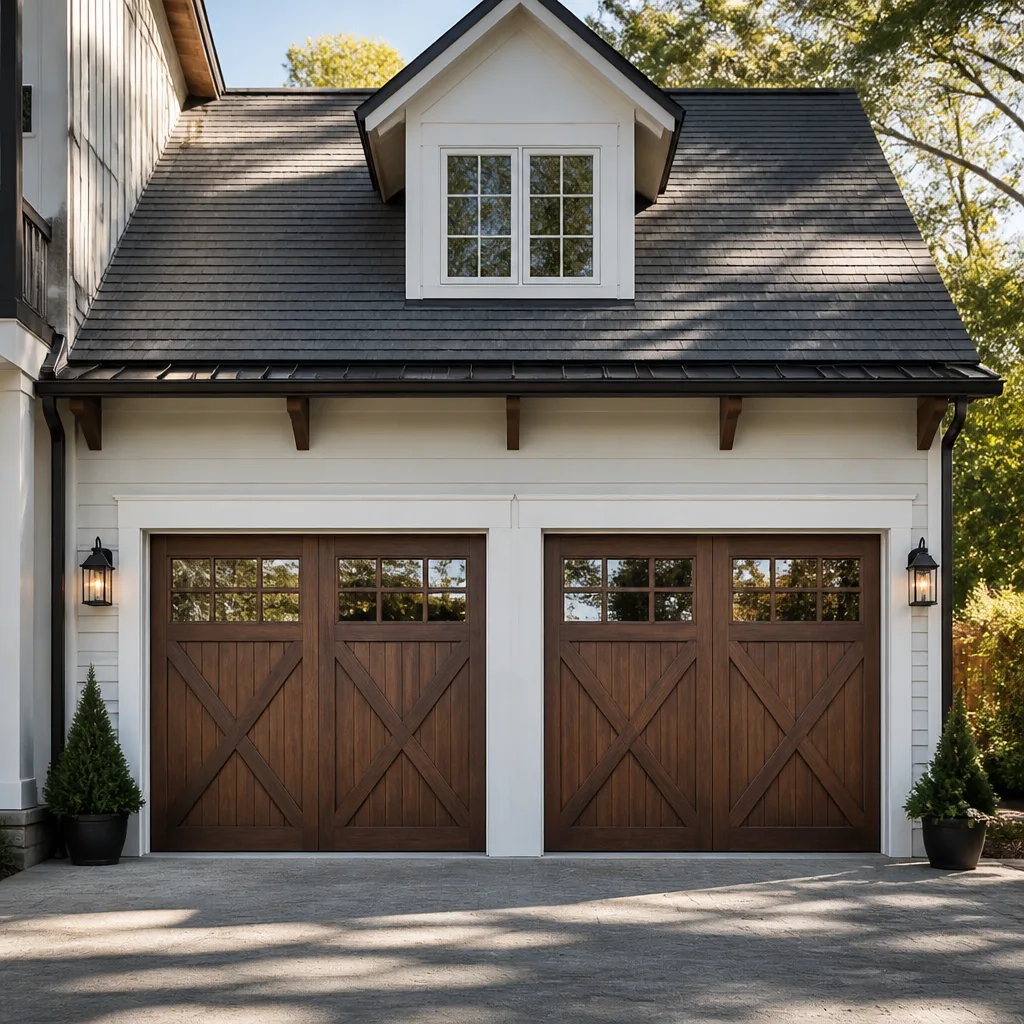 Carriage house
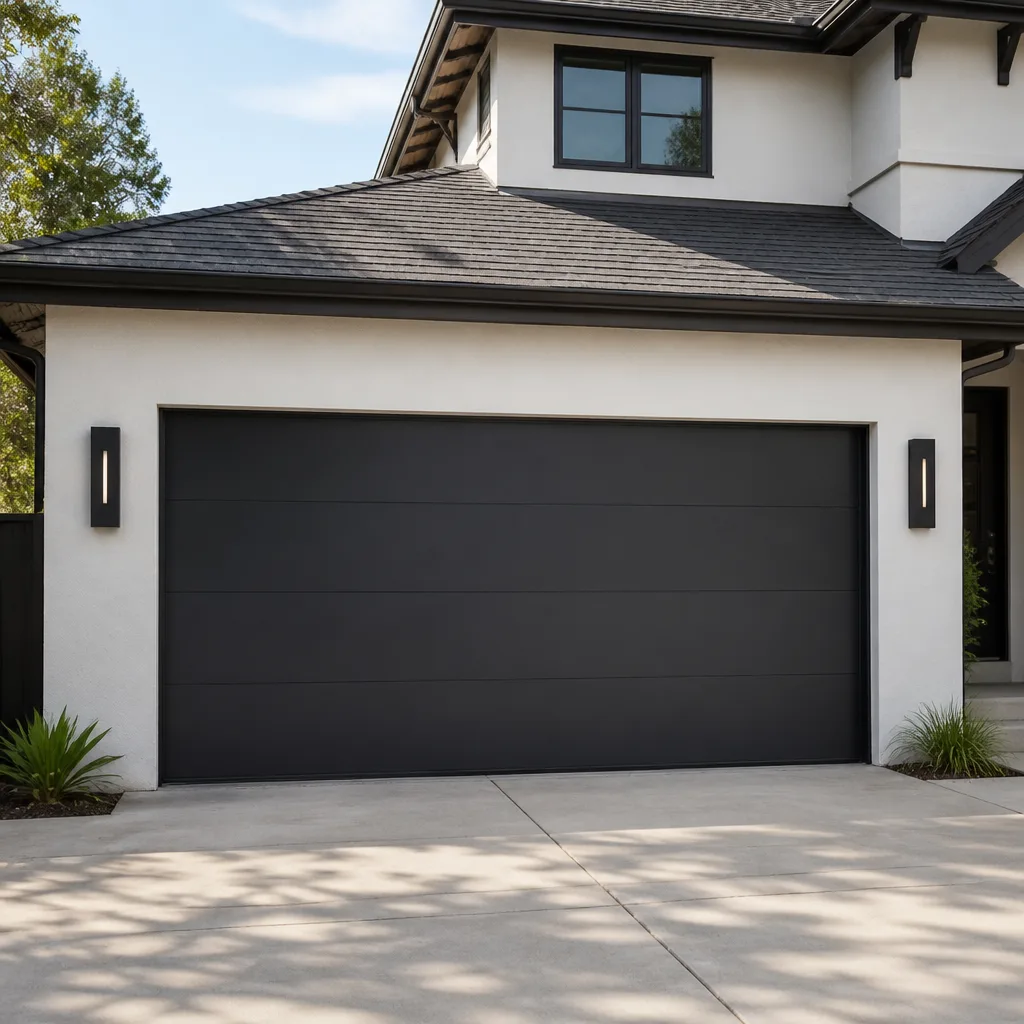 Modern flush
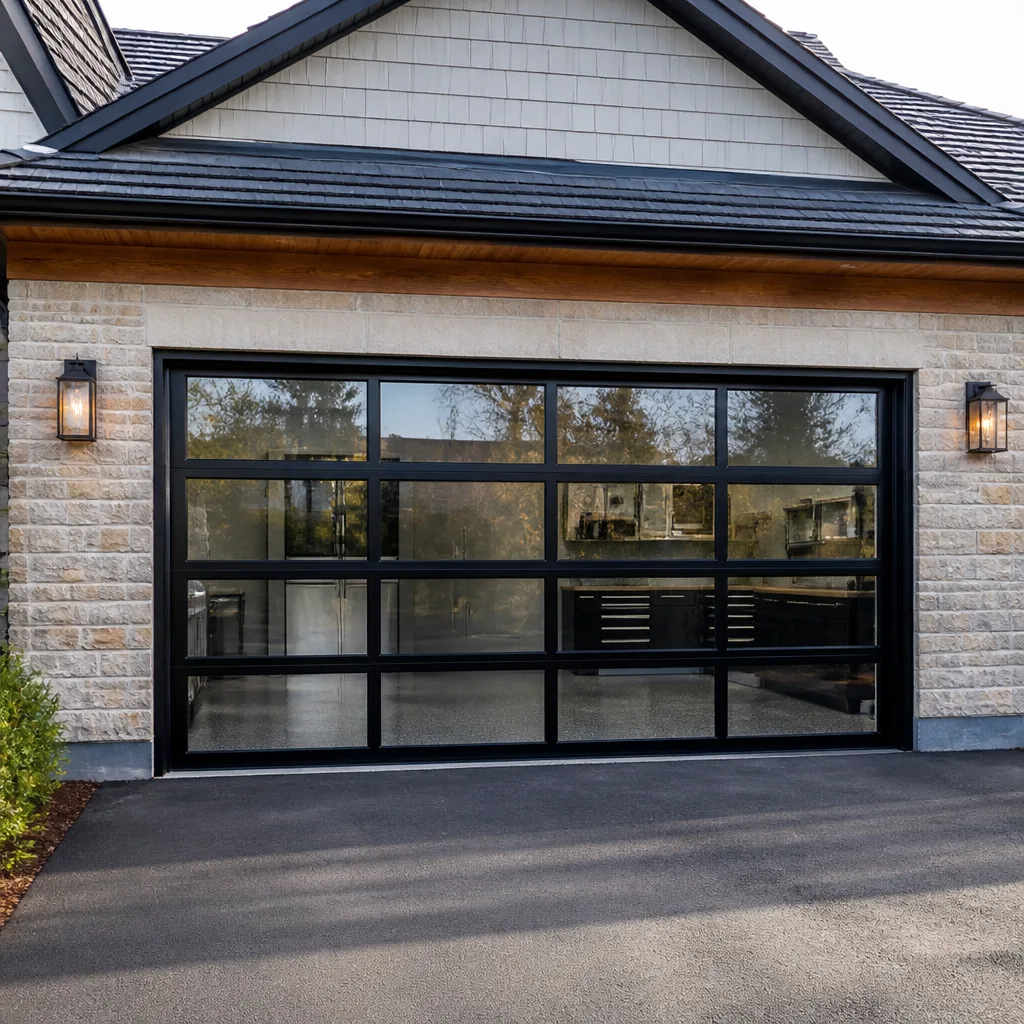 Full-view glass
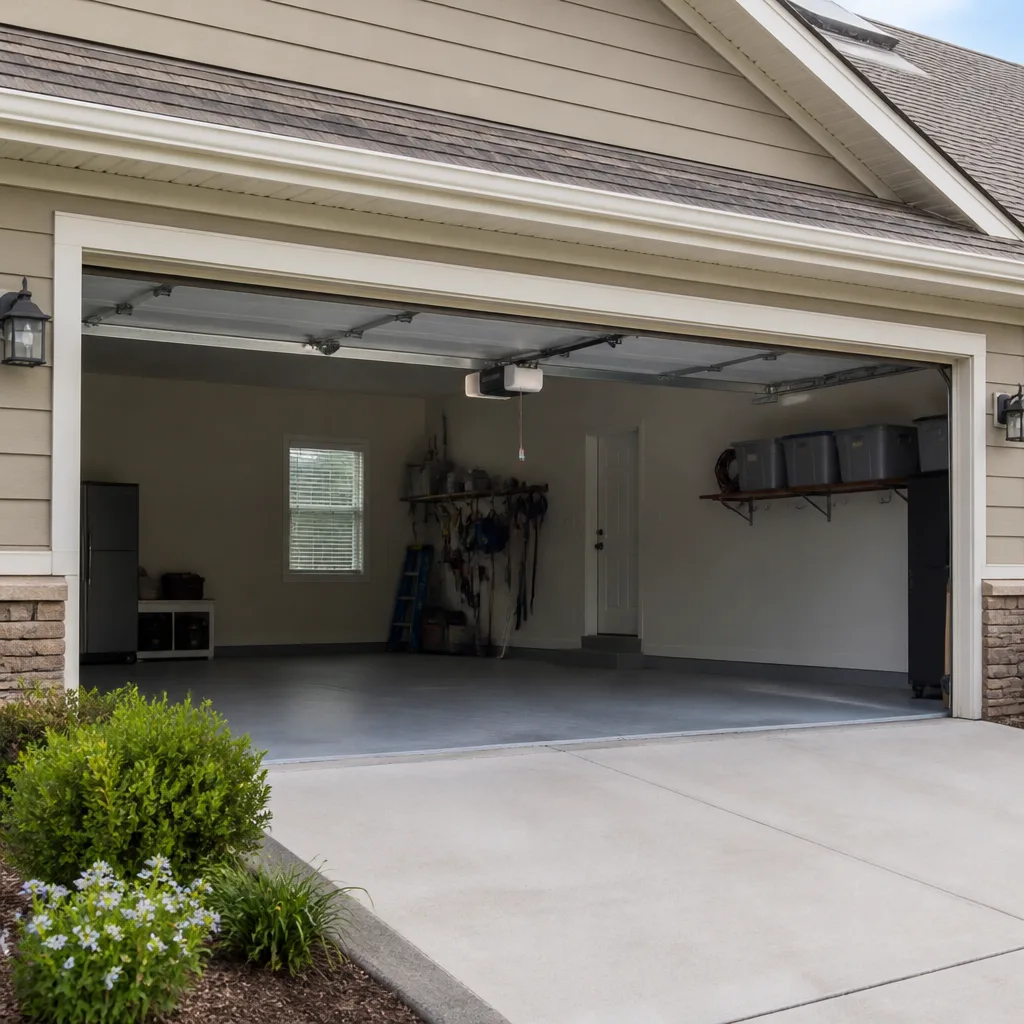 LiftMaster openers
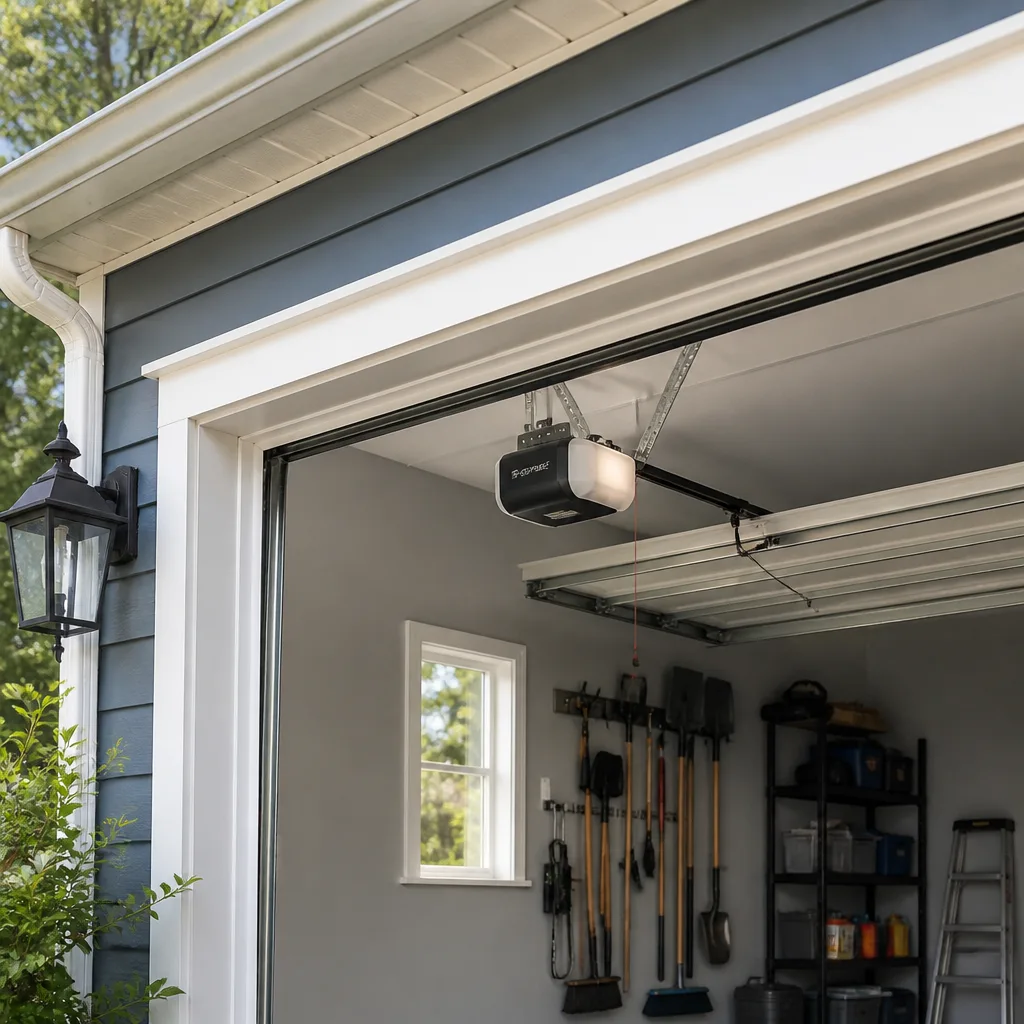 Chamberlain openers
Full 25-point door and opener safety check with every visit - springs, cables, rollers, tracks, and your LiftMaster or Chamberlain opener included
You get a price before we start. It does not change when the pro arrives.
Get your free estimateThe Complete Guide to Garage Doors in Vallejo
Most garage door advice online was written for a flat suburb in the Midwest, then copied everywhere. That’s a problem if you own a home in Vallejo, because the conditions that wear out a door and opener here change block by block. A torsion spring on a Mare Island-adjacent house ages under one set of conditions; a spring on a newer home up toward Hiddenbrooke, six miles east, ages under another. Same city, different maintenance math. This guide skips the generic checklist. It maps Vallejo’s actual housing stock, humidity, and electrical realities to the door materials, opener types, and service intervals that hold up here, so you can buy and maintain based on where you live rather than on what a showroom display looks like. Trailhead Garage Door Repair works on these systems every day, and we’ve written this to be useful whether you hire us or not.
Quick Answer
The right garage door for a Vallejo home depends less on style than on three local factors: how close you are to the water and the Strait of Carquinez, how old your house is (pre-1980 homes often have non-standard rough openings and 15-amp garage circuits), and whether your opener can work with your electrical panel. Steel doors in a heavier gauge and insulated sandwich construction hold up best across Vallejo’s mild, damp winters. Custom sizing is usually avoidable, but pre-1980 homes need a real measurement before you order. Most homeowners should expect maintenance every 12 to 18 months, with spring inspection sooner on homes nearest the water.
Styles & brands we work with
- Raised-panel steel
- Carriage house
- Modern flush
- Full-view glass
- LiftMaster openers
- Chamberlain openers
Table of Contents
- How Vallejo’s Climate Actually Affects Your Garage Door
- Neighborhood by Neighborhood: What Each Part of Vallejo Demands
- Which Door Materials Hold Up in Vallejo (and Which Don’t)
- Vallejo’s Pre-1980 Housing Stock and Rough Opening Sizes
- Openers, Aging Electrical Panels, and 15-Amp Circuit Limits
- Permit Triggers in Vallejo That Surprise Homeowners
- A Maintenance Schedule Built for Vallejo Homes
- Repair or Replace? How to Decide
How Vallejo’s Climate Actually Affects Your Garage Door
Vallejo doesn’t get the deep freezes or heavy snow that dominate most garage door guides, and it doesn’t get desert heat either. What it gets is mild, damp winter air and a lot of it, especially on the side of town nearest the Strait of Carquinez. That single fact drives most of the wear patterns we see. Metal doesn’t crack from cold here; it corrodes slowly, and springs lose tension at a rate that tracks how much moisture the air holds.
Here’s what that means in practice:
- Steel hardware corrodes before it fails structurally. Hinges, rollers, and spring coils are where moisture does its work first, not the door panels.
- Wood doors swell and stick. A wood door that opens smoothly in September can bind at the bottom in January, and the binding stresses the opener.
- Lubrication intervals matter more than most guides say. A door that gets annual lubrication in a dry climate may need it twice a year on the damp side of Vallejo.
- Paint and finish fail from the bottom up. The bottom panel takes the most ground moisture and is usually the first place you’ll see bubbling or peeling.
None of this is dramatic. It’s slow, and that’s exactly why it gets ignored until something breaks. A spring that’s been quietly losing tension for two winters gives no warning before it goes. The practical takeaway: on homes nearest the water, treat spring inspection as an annual habit rather than a whenever-I-remember-it task. If you notice the door feeling heavier or the opener straining, that’s the cue to have it looked at rather than wait for a failure. Our garage door repair service exists for exactly those calls, and the diagnosis is straightforward once a technician is on-site.
Neighborhood by Neighborhood: What Each Part of Vallejo Demands
Vallejo is not one climate. It’s several microclimates stacked into one city, and the maintenance math changes as you move across it. A homeowner near the waterfront and a homeowner in the hills east of town are not maintaining the same door, even if the doors look identical on the day they’re installed.
Here’s how the areas break down in our experience:
- Mare Island-adjacent and waterfront neighborhoods: Damp air and proximity to the Strait of Carquinez mean the highest moisture exposure in the city. Metal components need the most attention here. Galvanized or heavier-gauge steel hardware pays for itself, and spring inspection should be annual rather than every other year.
- Older central Vallejo: Mid-century housing stock, smaller garages, and electrical panels that were sized for a very different set of appliances. Door fit and opener compatibility are the two things that trip people up here.
- Hiddenbrooke and the eastern hills: Newer tract construction, larger openings, and drier air. Standard sizing is usually not a problem, and the doors here age more slowly on the hardware side. The bigger issue is opener range and smart connectivity in larger, deeper garages.
- North Vallejo and the corridors off the main arterials: A mix of eras, which means you can’t assume anything about your rough opening or your panel until someone measures. This is where a real on-site measurement saves the most money.
The point isn’t that one part of Vallejo is harder on doors than another. It’s that the interval and the materials should match the address. A homeowner in Hiddenbrooke who follows waterfront maintenance advice is overpaying for hardware they don’t need; a waterfront homeowner who follows hill advice is under-maintaining and will replace springs sooner than necessary. Call (855) 339-8305 and we can tell you which category your home falls into before you spend anything.
Quick note on moisture: If your bottom panel shows paint bubbling or your hinges are stiff in the winter, you’re in the higher-maintenance zone regardless of which neighborhood you’re technically in. Treat the door’s behavior as the real signal.
Which Door Materials Hold Up in Vallejo (and Which Don’t)
Showrooms favor doors that look great under controlled lighting. Vallejo favors doors that tolerate damp winters and mild, stable temperatures year after year. Those aren’t always the same door.
Here’s how the main material options actually behave here:
- Steel, 24 to 25 gauge, insulated sandwich construction: The best all-around choice for most Vallejo homes. Heavier gauge resists denting and holds its finish longer. Insulation keeps the garage more stable and quiets the door. Clopay and Amarr both build in this category, and both hold up well in local conditions.
- Steel, thin gauge (27 gauge and lighter): Common on builder-grade doors. It dents easily, and dents let moisture into the seams where corrosion starts. Fine for a rental or a rarely used door; a poor bet for a primary entry point in a damp part of town.
- Aluminum: Doesn’t rust, which sounds ideal near the water. It dents more easily than steel and offers less insulation value. A reasonable pick for a detached or uninsulated garage; less so for an attached garage you use every day.
- Fiberglass: Resists moisture and won’t corrode. It can fade and chalk over time, and the finish needs attention to stay presentable. Works well in mild climates, which describes Vallejo.
- Wood and wood-composite: Beautiful and the hardest to maintain here. Wood swells with moisture, the finish needs regular renewal, and the door’s weight changes with the seasons, which stresses the opener. Choose wood because you love it, not because it’s low-maintenance.
The pattern is simple: the door that holds up in Vallejo is one that resists moisture at the seams and doesn’t depend on a perfect finish to keep from corroding. If you’re comparing options, ask about gauge and construction, not just color. A heavier insulated steel door in a finish that seals the seams is the safest bet for most homes in Vallejo.
Vallejo’s Pre-1980 Housing Stock and Rough Opening Sizes
A large share of Vallejo homes were built before 1980, and that matters most at the moment you decide to replace a door. Standard production doors are built to a standard rough opening. Older homes often aren’t standard, and a difference of an inch or two in the opening is the difference between a stock door and a custom order.
The good news: custom sizing is usually avoidable. The bad news: you can’t know that without a real measurement. Here’s how a replacement decision typically goes:
- Measure the actual rough opening, not the existing door. The door may have been trimmed to fit an odd opening, so the door’s dimensions can mislead you.
- Check the headroom and side clearance. Track and spring placement depend on them, and older garages often have less than you’d expect.
- Confirm the door can be ordered in a stock size. Most can. When the opening is genuinely non-standard, a small custom build is often cheaper than reshaping the framing.
- Check the opener’s capacity against the new door’s weight. A heavier insulated door may exceed what an older opener can lift.
- Have the panel and circuit checked before you commit to a powered opener upgrade (more on this below).
Older homes also tend to have garages that were framed for a smaller car and a smaller door. If your garage is tight, a proper measure protects you from ordering a door that has to be returned. A free on-site estimate is the right starting point for any replacement, and it’s the only way to know whether you’re in stock-size territory or not. The install side of our work is scheduled around that measurement rather than promised on the spot, because a door that fits correctly is the whole point of the job.
Openers, Aging Electrical Panels, and 15-Amp Circuit Limits
Mid-century Vallejo homes often still have the electrical panel they were built with, and garage circuits from that era were sized for a door opener and a light bulb, not a modern garage full of tools and a chest freezer. That’s not a reason to panic. It’s a reason to check before you install.
Most residential garage door openers run on a standard 15-amp circuit, which is plenty for the opener alone. The trouble starts when that circuit also feeds a second refrigerator, a workshop outlet, or an electric heater. An opener that trips the breaker every few weeks usually isn’t a failing opener; it’s an overloaded circuit. Adding a heavier opener or a smart opener with a battery backup doesn’t change the math on the circuit.
What we look at when we assess an opener in an older Vallejo home:
- The circuit it’s on. Is the opener sharing a breaker with anything else that draws real power?
- The panel’s capacity. Older panels may have no open breaker slots, which turns a simple opener swap into a panel conversation. That conversation belongs with a licensed electrician, not with us.
- The door’s weight. A new insulated door can be heavier than the one the opener was sized for. LiftMaster and Genie both publish lift capacity; matching opener to door is non-negotiable.
- Smart connectivity. If you want your opener on a phone app or linked to a home assistant, the opener has to support it, and the Wi-Fi signal has to actually reach the garage. Detached and deep garages often need a bridge or a wired option.
A safety note here, because it matters: we don’t advise homeowners to open a panel or move breakers themselves. That work belongs to a licensed electrician. What we can do is diagnose the opener and tell you whether the problem is the opener or the circuit, so you’re not paying to replace an opener that was never the issue. That diagnosis is the whole reason a single-trade specialist is worth calling; see our garage door opener repair page for how that process works.
Permit Triggers in Vallejo That Surprise Homeowners
Permit rules vary by city, and Vallejo is no exception. Homeowners are often surprised mid-project to learn that what they assumed was a simple swap needs paperwork. We can’t give you a definitive answer for your address, and we won’t pretend to. What we can do is tell you where to ask and what usually triggers the question.
The common situations:
- Full door replacement, especially structural changes. A like-for-like replacement is often treated differently than a change to the opening or framing. If the framing changes, expect the city to want to review it.
- Opener replacement with new wiring. Swapping an opener on the existing circuit is one thing; running new wiring for a new location is another. The wiring is where the electrical code applies.
- Any work that changes the door’s wind rating or opening size. Structural changes draw scrutiny regardless of the trade.
- Homes in areas with specific local overlays. Some parts of the city have additional review steps tied to the neighborhood. Ask before you order.
The rule of thumb: before any project that changes the opening, the framing, or the wiring, call the City of Vallejo building department and describe the exact scope. It’s a short phone call, and it beats finding out at inspection that you needed a permit. We’re happy to work with whatever the city requires, but the permit itself is between you and the city.
A Maintenance Schedule Built for Vallejo Homes
Maintenance intervals should follow the conditions, not a generic calendar. Here’s a schedule we’d recommend for a home nearest the water, with notes on where hill-country homes can stretch the interval.
- Every month or two: test the safety reverse. Put a solid object in the door’s path and confirm it reverses. This is the single most important safety check, and it takes seconds.
- Twice a year (damp areas): lubricate hinges, rollers, and the spring with a proper garage door lubricant. Hill homes can usually do this once a year.
- Annually (damp areas): have the springs and cables inspected by a technician. This is a visual and mechanical check, not a homeowner task, because springs and cables are under high tension.
- Every 12 to 18 months: full service, balancing, and an opener check. Stretch to the longer end in the hills and drier neighborhoods.
- Annually (all areas): inspect the door’s finish and seams. Touch up any bubbling or peeling before moisture gets into the seams.
- Every two to three years (all areas): review whether the opener and safety features still match the door’s weight and your household’s needs, especially if you’ve added a smart module.
The critical safety caveat: springs and cables are under extreme tension and are the most dangerous parts of the system. Never attempt to adjust, loosen, or replace a spring or cable yourself. No percentage of that work is safe for a homeowner. A trained technician has the tools and the procedure, and this is one place where a single-trade specialist’s experience genuinely matters. Our technicians have up to 11 years of experience, and they work with the eight brands that cover most doors and openers in this city, including LiftMaster, Chamberlain, Genie, Clopay, Amarr, Wayne Dalton, Craftsman, and Raynor.
Repair or Replace? How to Decide
The repair-or-replace question is usually simpler than it feels. The decision comes down to the door’s overall condition, the cost of the repair relative to the door’s remaining life, and how well the door serves your household now.
Repair is usually the right call when:
- The problem is a single component (a spring, an opener, a roller, a bent track) and the panels and framing are sound.
- The door is otherwise in good shape and matches your needs.
- The door’s weight and size still fit your opener.
Replacement makes more sense when:
- The door has multiple failing panels, and the cost of fixing them approaches the cost of a new door.
- The door is thin builder-grade steel that’s dented and corroding at the seams, especially in a damp part of Vallejo.
- The door is wood and the finish has failed across multiple panels.
- You want a smarter opener, better insulation, or a door that fits an aging household’s needs.
A framed repair estimate is the fastest way to answer the question honestly. Both paths belong to the same team here, so the recommendation isn’t driven by what we’d rather sell you. If the door has a decade left and only needs a spring, you’ll hear that.
Common Mistakes to Avoid
- Buying a door based on the showroom display. Door weight, gauge, and seam sealing matter more than how the finish looks under showroom lights.
- Skipping the rough opening measurement on a pre-1980 Vallejo home. The existing door’s dimensions can mislead you; the opening is what the replacement has to fit.
- Installing a heavier door on an opener sized for the old one. The opener has a lift capacity, and exceeding it wears both the opener and the door.
- Ignoring an aging electrical panel before adding a smart opener. A 15-amp circuit shared with other equipment is a common reason a new opener trips a breaker.
- Ordering a replacement before checking permit triggers. A call to the city building department is cheap; finding out mid-job is not.
- Stretching the lubrication interval in a damp neighborhood. Waterfront and Mare Island-adjacent homes need more frequent lubrication than the hills.
- Attempting spring or cable work without training. Springs are under extreme tension and deserve a trained technician, no exceptions.
See the difference
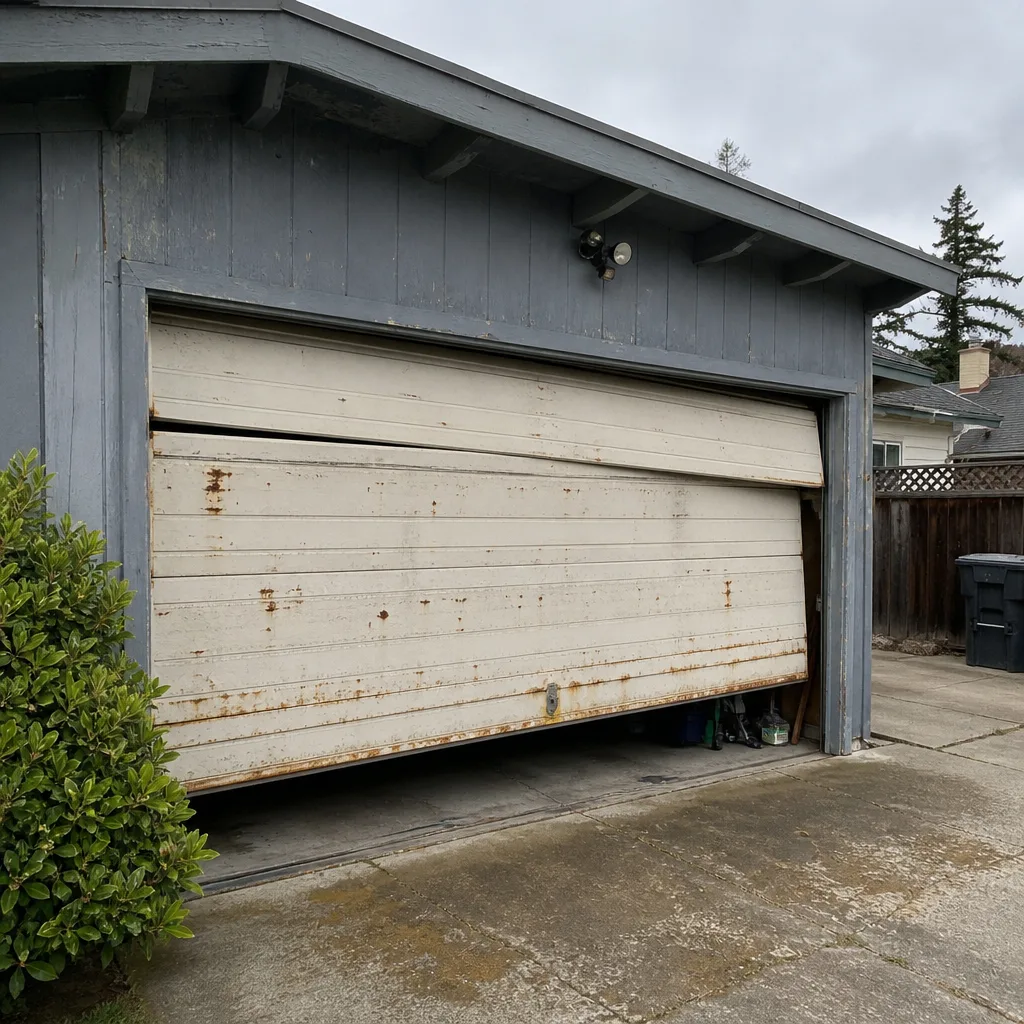 Before
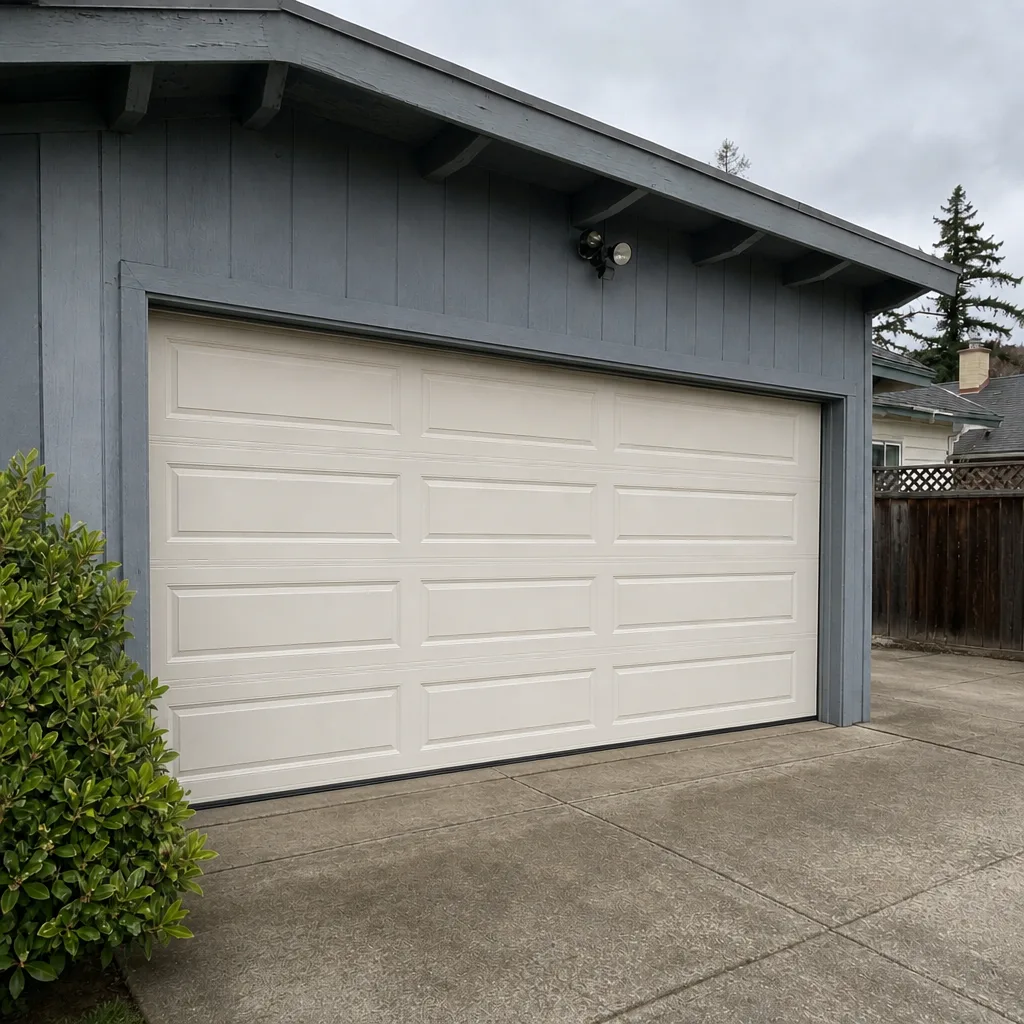 After
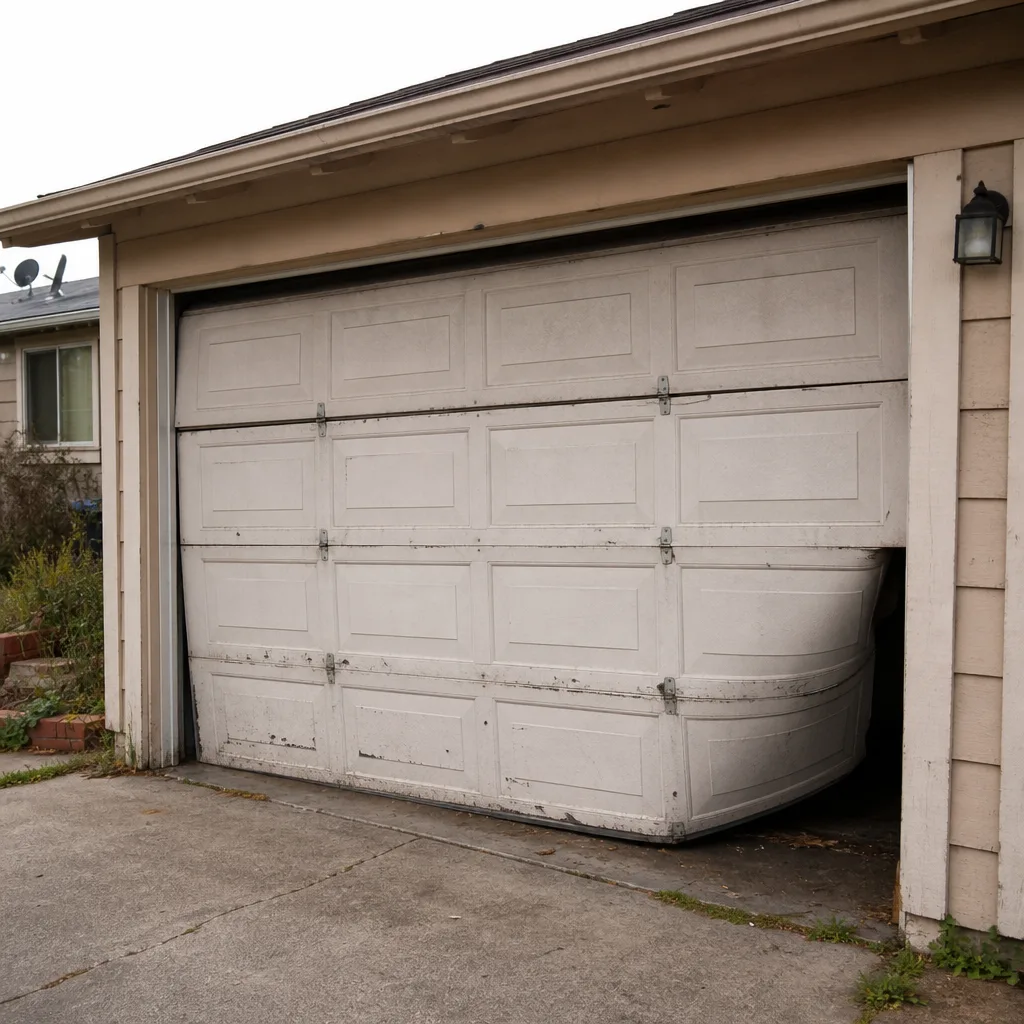 Before
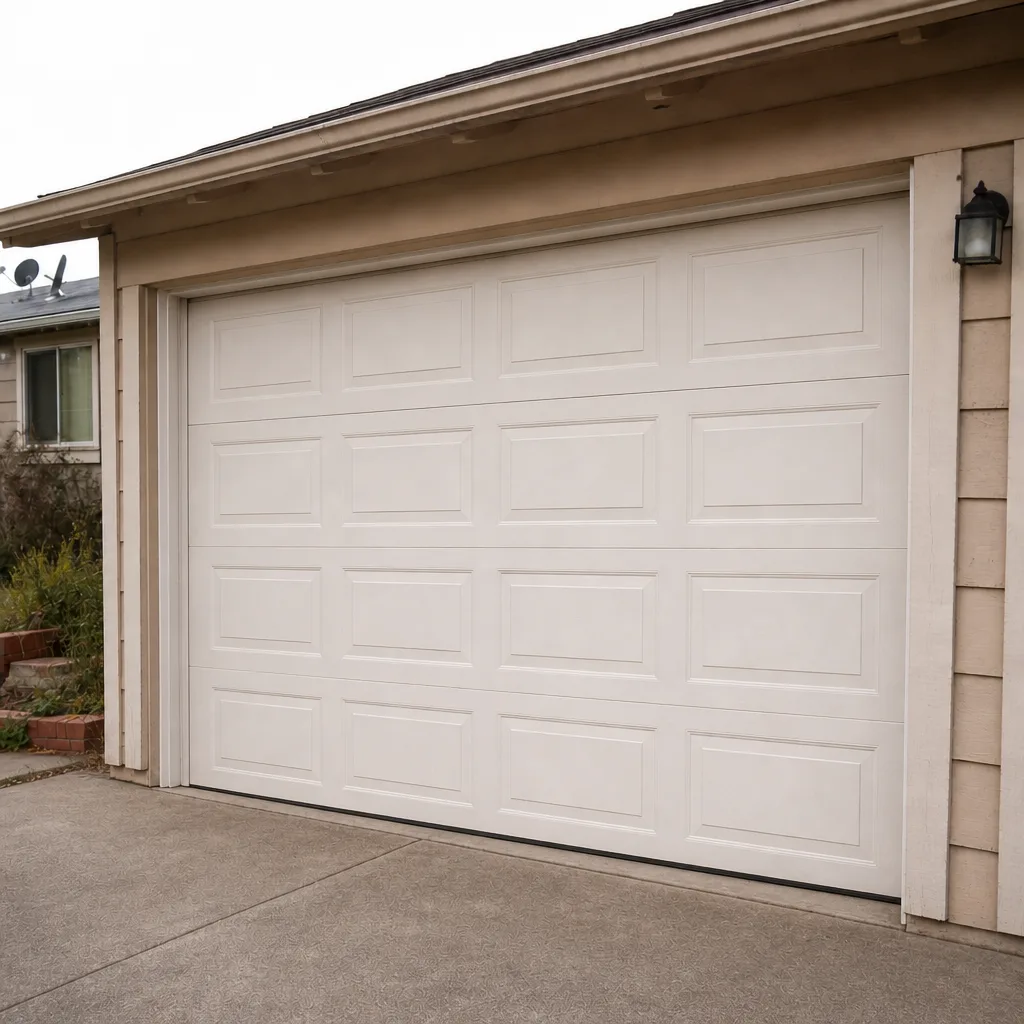 After
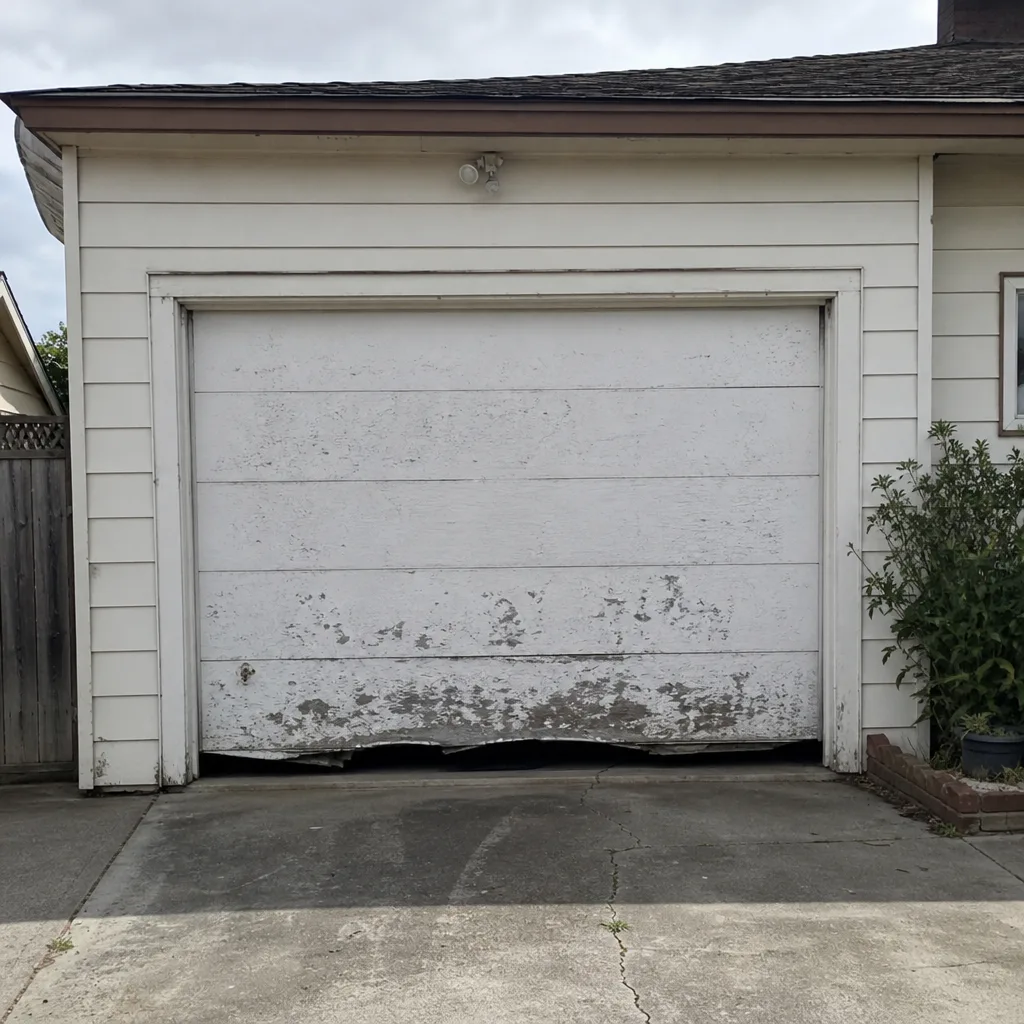 Before
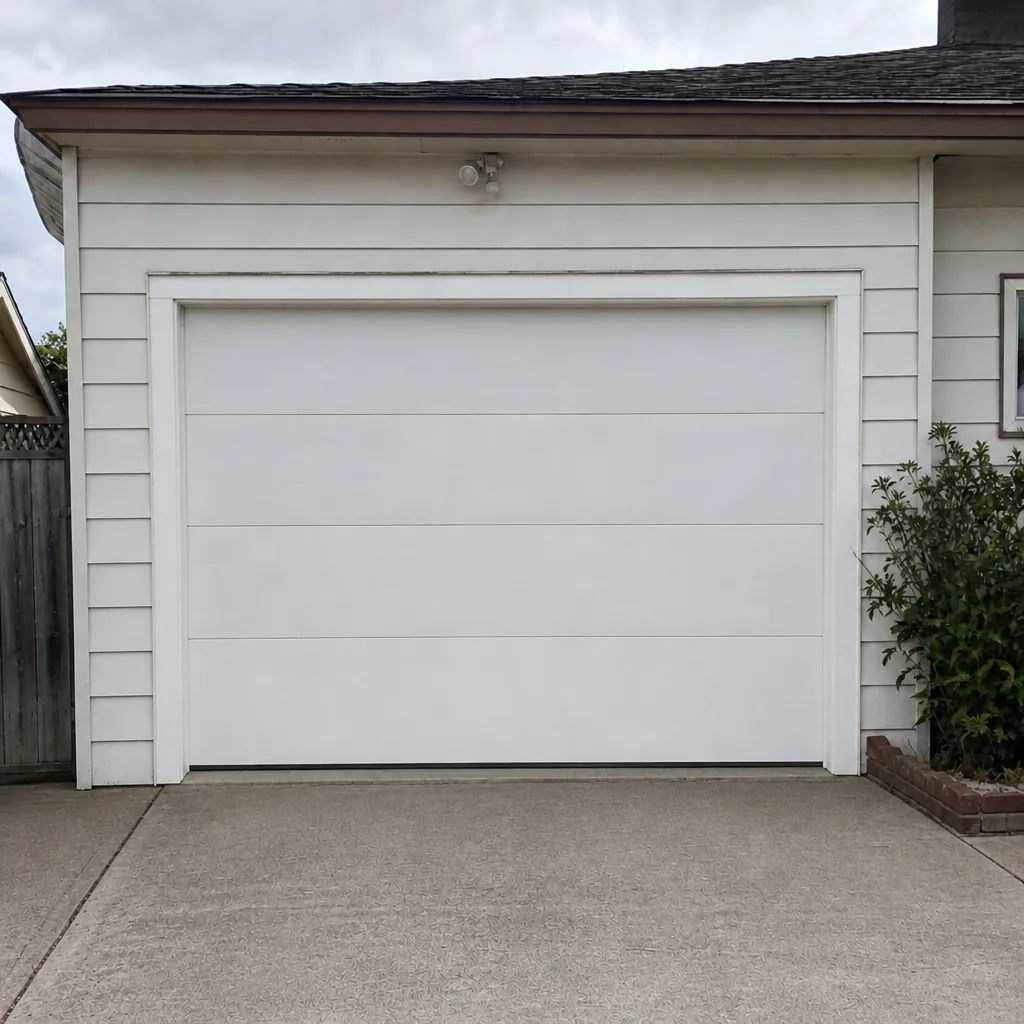 After
When to Call a Professional
Some garage door problems are safe to watch and unsafe to handle. Call a professional if you see a spring with visible gaps or a bent coil, if the door drops suddenly or feels much heavier than it used to, if the opener strains or the door comes off its tracks, or if the safety reverse stops working. Call if the door is stuck halfway and the opener won’t release it cleanly, or if you’ve noticed a broken cable. Call before you buy a replacement door on a pre-1980 home, because the measurement is where the money usually goes wrong. Call if a new opener trips the breaker and you’re not sure why. Call if the door is a brand you’re not sure anyone local can service; we work on the eight brands that cover most homes here. Trailhead Garage Door Repair offers free estimates in Vallejo, call (855) 339-8305. We answer 24/7, and we run fast dispatch from 7am to 7pm, Sunday through Friday. A call outside dispatch hours is booked into the next opening.
Frequently Asked Questions
Heavier-gauge insulated steel, 24 to 25 gauge, with seams that seal out moisture. Homes nearest the water see the most corrosion pressure, so steel that resists moisture at the seams outlasts thin builder-grade panels and low-maintenance wood alternatives. Call (855) 339-8305 for a free estimate and a recommendation based on your specific address.
Usually not. Most pre-1980 Vallejo openings can take a stock-size door once the rough opening is measured properly, but the existing door’s dimensions can mislead you, so a real measurement is the starting point. Custom sizing is the fallback, not the default. Call (855) 339-8305 to schedule a free measure.
Often yes, but the opener’s circuit needs to be checked. Most openers run on a standard 15-amp circuit, and the trouble comes when that breaker is shared with other equipment. We can tell you whether the opener is the problem or the circuit; anything involving the panel itself belongs with a licensed electrician. Call (855) 339-8305 for an opener diagnosis.
Every 12 to 18 months for full service, with damp neighborhoods on the shorter end and hill neighborhoods on the longer end. Lubricate twice a year near the water and once a year in the hills, and have springs inspected annually on homes nearest the Strait of Carquinez. Call (855) 339-8305 to book service.
It depends on the scope, and a like-for-like replacement is often treated differently than a change to the opening or framing. Call the City of Vallejo building department and describe the exact scope before you order; that’s the only way to know for certain. Call (855) 339-8305 and we can walk you through what typically triggers the question.
Often yes for repair and opener calls. We answer 24/7 and run fast dispatch from 7am to 7pm, Sunday through Friday, with same-day service on most repair calls. New installations are measured, ordered, and scheduled rather than same-day. Call (855) 339-8305 and we’ll get you on the schedule.
The Bottom Line
Vallejo’s garage door math isn’t uniform. Where you live (waterfront versus hills), how old your house is (pre-1980s openings and panels versus newer construction), and what your door is made of all change what you should buy and how often you should maintain it. The durable choices here are heavier-gauge insulated steel, a real rough-opening measurement before any replacement, an opener matched to the door’s weight and the circuit it runs on, and a permit check before structural changes. Springs and cables are the one part of this system no homeowner should touch. If you want a straight diagnosis and a repair that holds, the right starting point is a call.
Call (855) 339-8305 for a free estimate. We answer 24/7, and we run fast dispatch from 7am to 7pm, Sunday through Friday. Estimates are free, the price is quoted and agreed before any work starts, and the written estimate sets the final price. From springs to smart openers, Trailhead Garage Door Repair handles the door and the opener as one system, so there’s no second call to make.
Written by the team at Trailhead Garage Door Repair.