
Last updated November 15, 2026
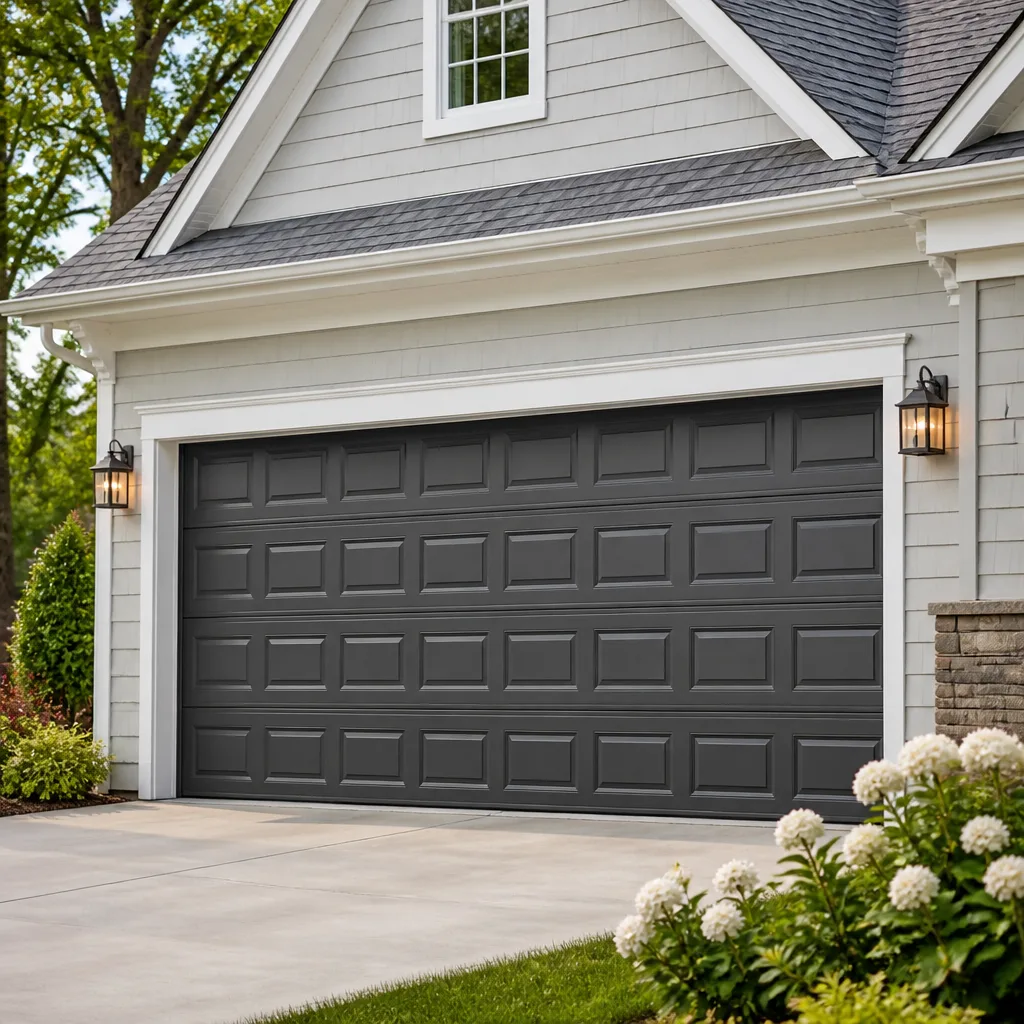 Raised-panel steel
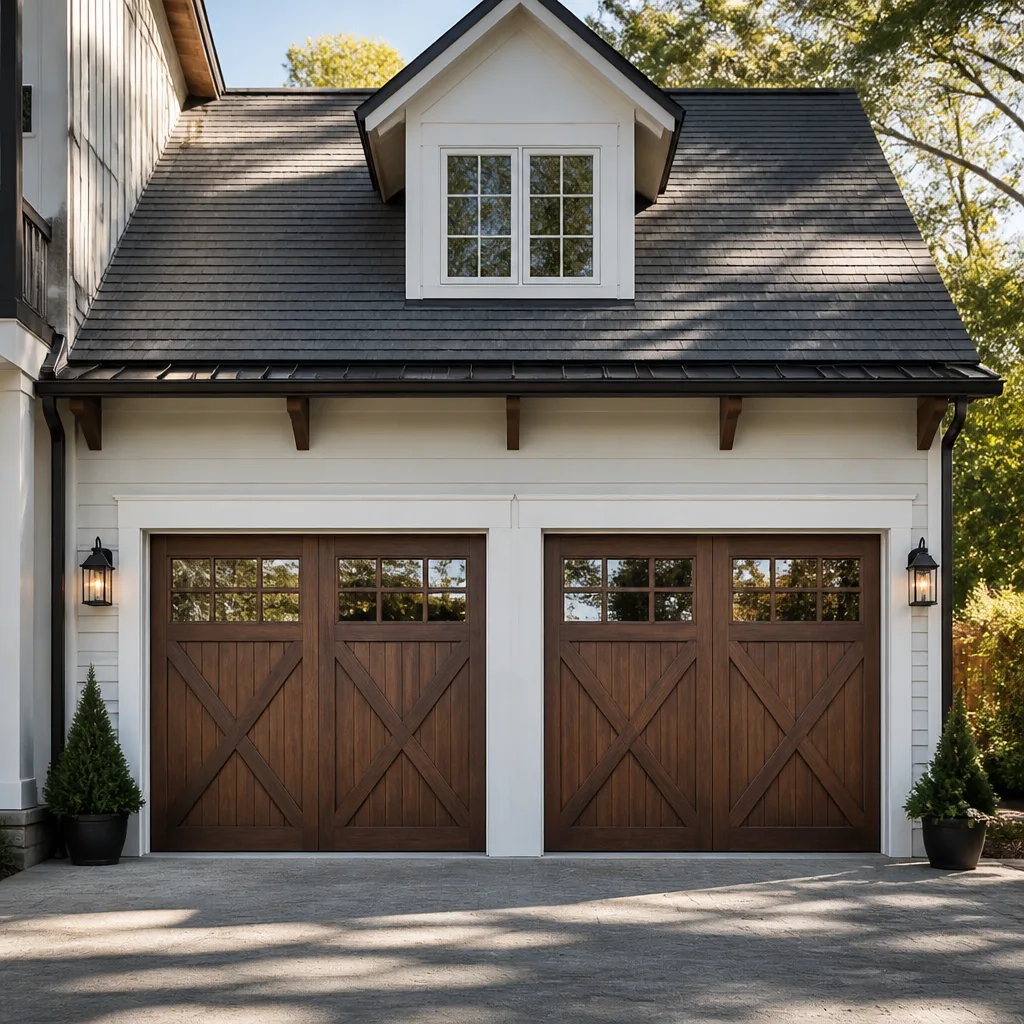 Carriage house
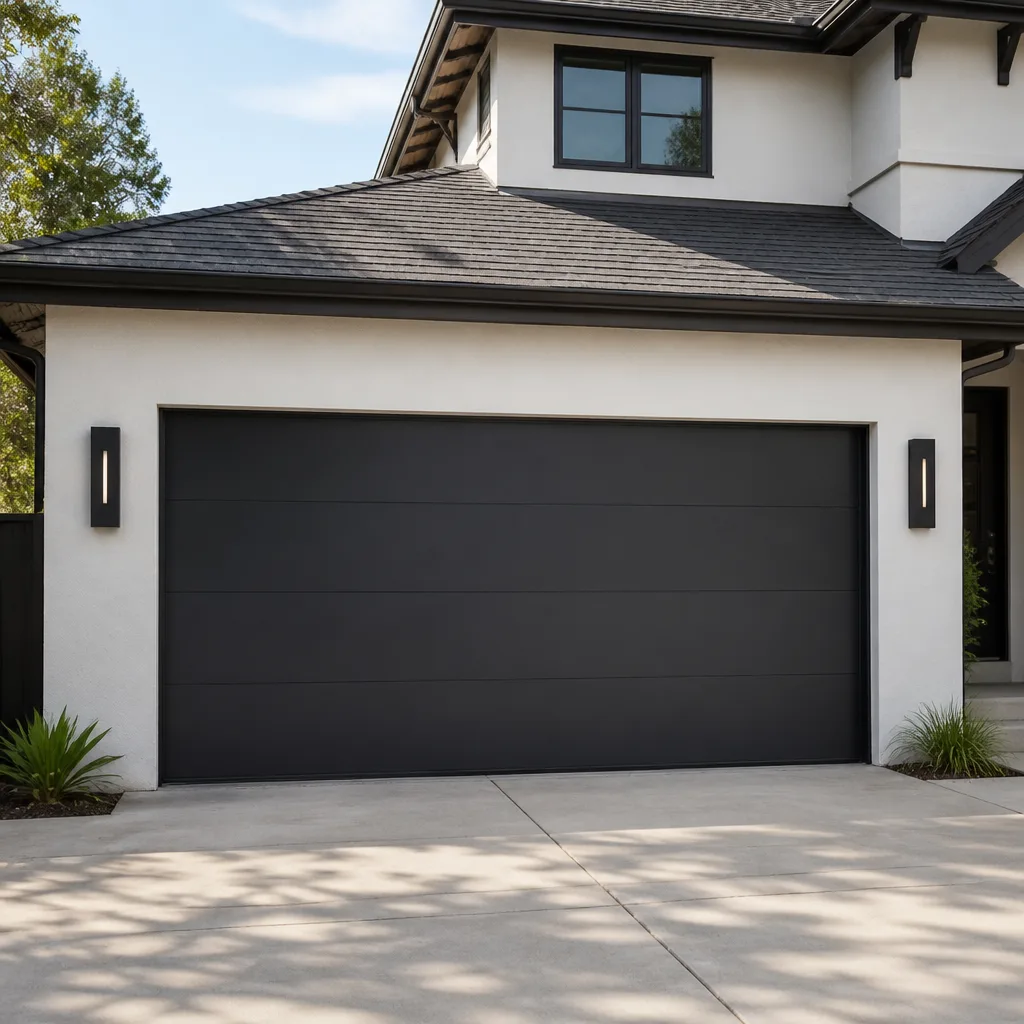 Modern flush
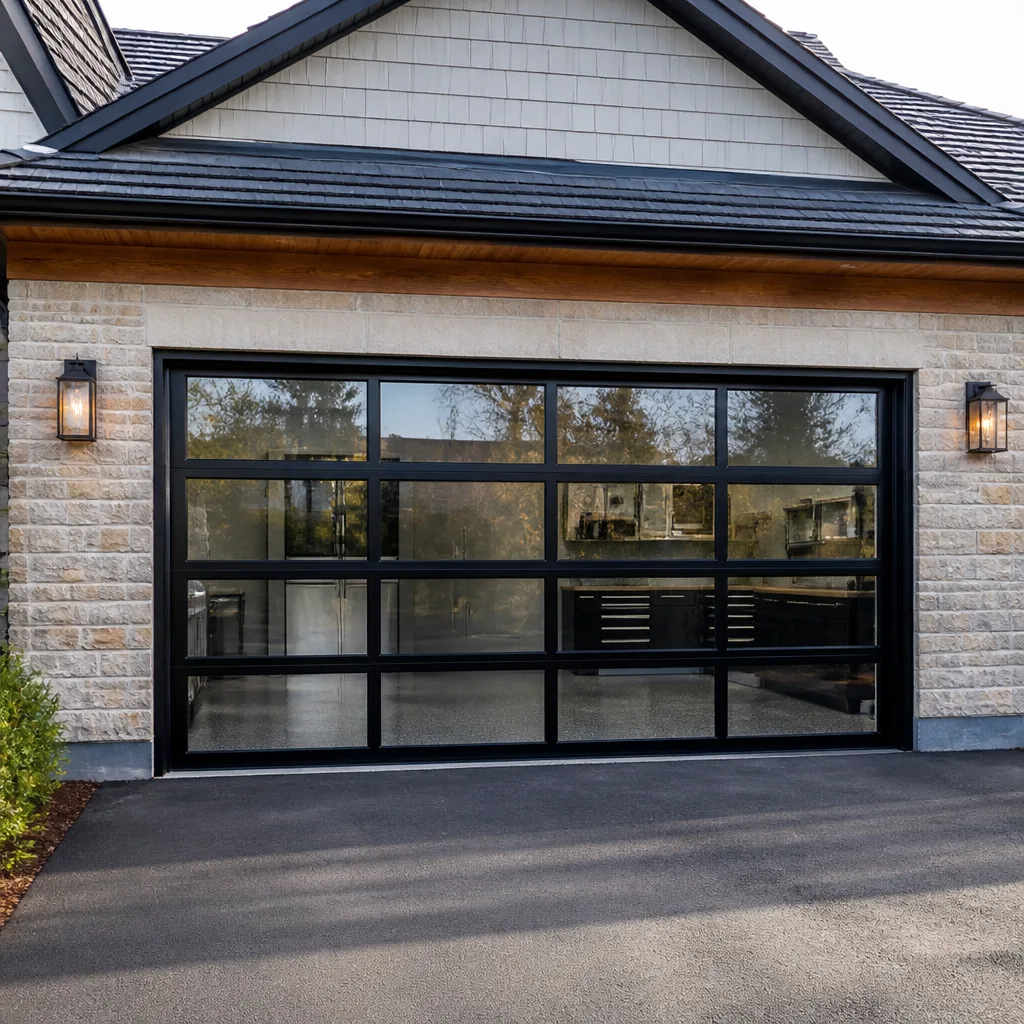 Full-view glass
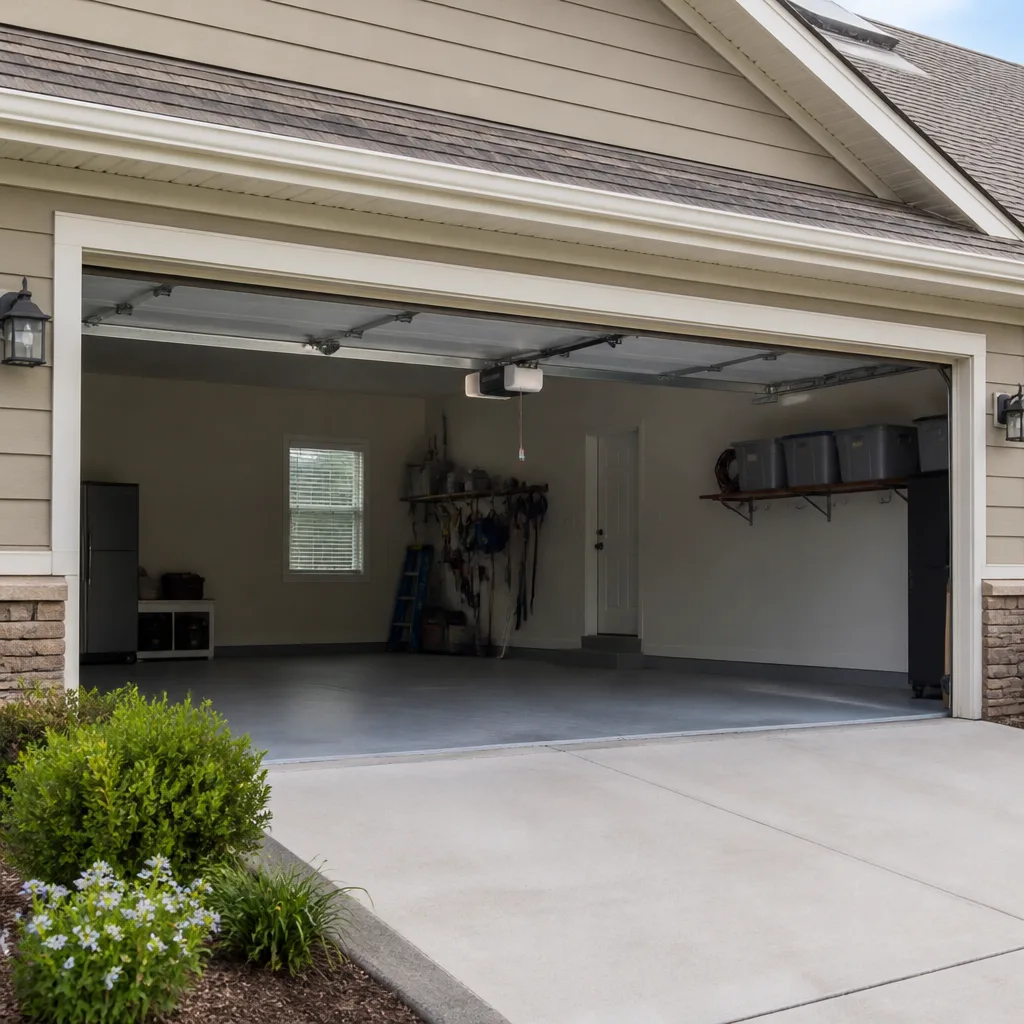 LiftMaster openers
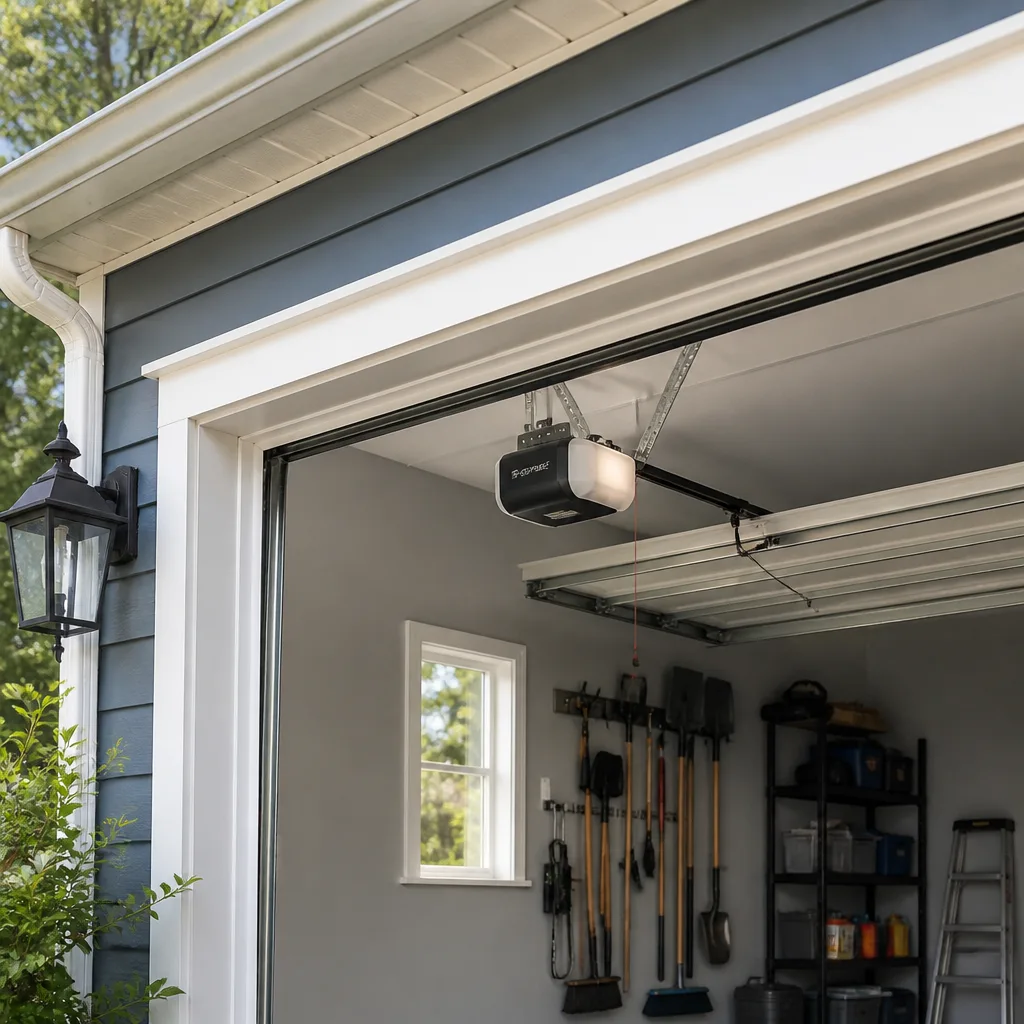 Chamberlain openers
Full 25-point door and opener safety check with every visit - springs, cables, rollers, tracks, and your LiftMaster or Chamberlain opener included
You get a price before we start. It does not change when the pro arrives.
Get your free estimateDIY vs Professional Garage Door: The Vallejo Homeowner’s Decision Guide
Most guides to this question get the frame wrong. They argue about money, and they tell you that “complex repairs need a pro” without ever defining where complex begins. That’s not useful when you’re standing in your driveway in Vallejo looking at a door that came off its track. The honest line isn’t skill. It’s physics and liability. Some garage door tasks are genuinely yours to own: rollers, lubrication, limit switches, even a new opener if you’re careful. Others involve stored energy that can maim you regardless of how handy you are. This guide draws that line at the component level, walks through California’s rules on homeowner work, and shows you where DIY quietly voids a warranty.
Quick Answer
In Vallejo, most garage door maintenance is safe for a careful homeowner, but torsion spring work, cable replacement, and any job where the door is under tension should go to a trained technician. An opener swap is a legal DIY project in California if you follow the manufacturer’s instructions and the state’s residential exemption, but the install mistakes we see usually surface months later as stripped gears or a door that reverses on its own. When in doubt, pay for the diagnosis and keep the dangerous work off your ladder.
Styles & brands we work with
- Raised-panel steel
- Carriage house
- Modern flush
- Full-view glass
- LiftMaster openers
- Chamberlain openers
Table of Contents
- The Component-Level Decision Matrix
- Why Springs Are a Physics Problem, Not a Skill Problem
- What DIY Actually Saves in Vallejo (and What It Doesn’t)
- Opener Installs: The Mistakes That Hide for 6 to 18 Months
- California’s Residential Exemption: What You Can Legally Do Yourself
- When DIY Voids Your Door Warranty
- The Maintenance You Should Own
- Common Mistakes to Avoid
- When to Call a Professional
- Frequently Asked Questions
The Component-Level Decision Matrix
Garage doors aren’t one system you fix or don’t fix. They’re a stack of parts with wildly different risk profiles. The useful question isn’t “should I call someone?” It’s “which part am I touching?” Here’s how the parts break down.
- Nylon or steel rollers: Homeowner-safe. They slide out of the hinge, cost little, and a swap takes about 30 minutes per door. No stored energy involved.
- Hinges and brackets: Mostly homeowner-safe, with one exception. The bottom bracket that holds the cable under tension is never a DIY part.
- Weather seals and bottom astragal: Homeowner-safe. These wear out faster in Vallejo’s dry summers than people expect, and replacing them is straightforward.
- Lubrication and adjustment of tracks: Homeowner-safe as long as you’re loosening bolts, not removing them, and never touching a track with the door under spring tension.
- Limit switches and force settings on the opener: Homeowner-accessible but easy to get wrong. A mis-set force limit is one of the most common reasons a door fails to reverse on contact.
- Photo-eye sensors and safety reverse: Homeowner-safe to clean and realign. Mandatory to test monthly; we’ll cover how below.
- Opener replacement: Legal DIY in California, but the install quality problem is real. More on this below.
- Extension springs: Stored energy. A pro’s job.
- Torsion springs and torsion cables: Stored energy at a level that causes serious injury. Never a DIY part on any residential door, including a standard 7-foot door.
- Panels and structural repair: Depends on the damage. Straightening a single dented panel is possible; replacing a section requires realignment tools most homeowners don’t have.
In our experience, that middle band is where homeowners get into trouble. Rollers, hinges, and seals are the safe zone. Limit switches and force settings feel safe because they’re just a screwdriver turn, but they’re the most silently consequential adjustments on the whole door. Torsion work is the red zone, and there’s no version of it where a homeowner belongs on the ladder.
If you’re not sure which component is failing, a diagnosis is cheaper than guessing. Our garage door repair team can tell you in one visit what’s actually wrong and whether it’s something you should do yourself.
Why Springs Are a Physics Problem, Not a Skill Problem
Torsion springs hold the entire weight of the door in a wound state. When you lift a 7-foot residential door by hand, you’re lifting maybe 150 to 200 pounds of panel weight. The spring does most of that work for you, and it stores the energy to do it. That stored energy doesn’t care how careful you are or how many YouTube videos you’ve watched. It releases when the winding bar slips, and the release is instant.
Cable failure is the same story from a different angle. A torsion cable under load snaps back toward the drum, and the result is a genuine injury event. This is why the American garage door industry treats spring and cable work as professional-only, and why we refuse to walk a homeowner through it step by step, even with good intentions.
What you can safely check (without touching the spring)
- Balance test. Disconnect the opener (pull the release cord). Lift the door halfway and let go. A balanced door holds position. A door that slams down has a spring or tension problem.
- Visual gap check. Look for a visible gap in a torsion spring coil. If you see one, stop using the door and call for repair.
- Cable check. Look for fraying or slack on either side of the door. If a cable is off the drum, don’t run the opener.
- Noise check. A single loud bang from the garage, followed by a door that feels very heavy, is usually a snapped spring. Don’t cycle the door again.
Those four checks are safe, useful, and diagnostic. They tell you whether you have a spring problem without putting your hands anywhere near one. That’s the right amount of DIY for this component.
If those checks flag something, keep the door closed and get a technician out. Our Trailhead Garage Door Repair team handles spring and cable work with the right winding tools, and we won’t quote a job until we’ve looked at the actual door. Springs on a matched pair are replaced together, and a pair costs roughly twice what a single spring does, so ask for the price on both before you decide.
What DIY Actually Saves in Vallejo (and What It Doesn’t)
The usual DIY math is parts minus labor. That’s not the real number. The real number is parts plus tools plus time plus risk of a second attempt. Here’s how the categories break down when you run the honest accounting.
- Rollers and hinges: Real savings. Parts are cheap, no special tools, low failure risk. This is where DIY genuinely wins.
- Weather seals: Real savings. Same story, and Vallejo’s dry summer air makes this a more frequent swap than homeowners expect.
- Opener replacement: Savings evaporate if you need a ladder, a second set of hands, a torsion release tool, and a rewire that trips a breaker. Most homeowners underestimate this one by hours, not minutes.
- Springs and cables: No savings. Between winding bars, professional tooling, and the injury risk, the DIY math here is negative even before you account for anything going wrong.
- Panel replacement: Depends on the model. Craftsman and Clopay panels often need specific alignment tools once the door is off the track, and the parts markup from a supplier isn’t always lower than a pro’s cost.
Tool rental is the line item most people skip. Winding bars, a good torque wrench, and a spare-height ladder add up fast, and after two attempts you’ve spent more than the difference. The parts markup math cuts the other way, too: online parts sources don’t always beat what a pro pays, because a pro buys from suppliers and a homeowner buys retail.
Time is the quieter cost. A competent homeowner can do a roller swap on a Sunday morning. A spring replacement, even attempted, eats an entire weekend and one ER visit’s worth of risk. In our experience, the jobs people regret DIYing are almost never the mechanical ones. They’re the ones that required a tool they had to buy, a second person they had to call, and a re-do.
If you want an exact written estimate before you decide, that’s free. Call Vallejo‘s garage door team at (855) 339-8305, and we’ll walk through the price before you commit to anything.
Opener Installs: The Mistakes That Hide for 6 to 18 Months
An opener swap is the DIY job most likely to look successful right after install and fail quietly later. The door works on day one. Nobody notices anything wrong. Six months in, the door reverses on its own, or the belt starts slapping, or the motor runs hot. These aren’t manufacturing defects. They’re install errors that surface on a delay.
Here’s what we see most often:
- Force limit set too high. The door lifts fine but won’t reverse on contact. This is a safety setting, and it’s the most common silent failure on a DIY install. Test it monthly by placing a 2×4 flat on the ground under the door and running the close cycle. The door should reverse on contact.
- Photo-eye misalignment. The sensors are angled inward or blocked by a shelf. The opener “mostly” works until a spider walks across the lens. Realign so both sensors see each other cleanly, and check the LED indicator lights on both.
- Header bracket mounted too high or too low. This changes the door’s travel arc. On LiftMaster and Chamberlain units, a few inches of error is enough to change the belt tension and create premature wear.
- Improper belt or chain tension. Too tight and the motor strains. Too loose and the chain slaps the rail. Neither failure shows up on day one.
- Wrong door-to-opener pairing. A high-lift door with a standard opener, or vice versa, produces a door that never quite balances. On Raynor and Amarr doors, the lift geometry matters.
- Wiring done without a dedicated circuit. The opener shares a circuit with the garage freezer and trips when both run. Not an opener failure, but easy to mistake for one.
These mistakes share a pattern: nothing fails immediately. That’s what makes them expensive. A homeowner who notices a door reversing on its own after eight months usually assumes the opener is bad. It isn’t. The install was.
If your opener is already installed and behaving strangely, our garage door opener repair team can diagnose the actual cause in one visit. We’ve seen every one of these patterns on Genie and LiftMaster systems alike, and the fix is usually a re-tension and a reset, not a new opener.
California’s Residential Exemption: What You Can Legally Do Yourself
California’s Contractors State License Board (CSLB) exempts a homeowner from contractor licensing requirements for work on their own primary residence, with real limits. You can do your own garage door repair in Vallejo without a contractor license, as long as the work is on a home you own and live in. You cannot do the same work on a rental, a parent’s house, or a property you’re flipping.
The exemption doesn’t cover everything, and it doesn’t override safety. Here’s how it breaks down:
- You can legally: Replace rollers, hinges, weather seals, and photo eyes. Adjust limit switches and force settings. Replace an opener. Repair or replace a section of track or a single panel.
- You can legally, but shouldn’t: Replace a torsion spring, cable, or bottom bracket. The CSLB exemption applies, but the injury risk makes it a bad idea regardless of what’s permitted.
- You can’t legally, without a licensed contractor: Work on a rental property, a home you don’t occupy, or a commercial building. A permit may also be required for structural work on the door opening; ask the City of Vallejo building department if you’re unsure.
Where homeowners get burned is on the back end. If a DIY repair fails and causes damage, your homeowners’ insurance may deny a claim where a licensed contractor’s work would have been covered. That’s not a scare tactic; it’s the standard structure of residential insurance policies. And if the door fails while the home is under a sale contract, an inspection can turn a small repair into a negotiating problem.
A licensed contractor carries their own insurance and can work legally on any residential property in Vallejo, including a rental or a home you plan to sell. Our technicians are trained on eight major brands, including LiftMaster, Chamberlain, and Raynor, so the liability question simply doesn’t come up. Call (855) 339-8305 and the estimate is free.
When DIY Voids Your Door Warranty
Most garage door and opener warranties specifically exclude damage that results from improper installation or repair. That’s not unique to the garage door industry; it’s standard. The trap is that most homeowners never read the warranty terms before they start the job, so they don’t know which parts are covered and which are excluded until the door fails and the claim gets denied.
Here’s how to protect yourself:
- Find the paperwork. Door and opener warranties are usually in a packet from the original install, or in the homeowner file from the prior owner. If you can’t find it, the manufacturer’s website has the current terms by model number.
- Read the exclusions, not the coverage. Every warranty tells you what’s covered. The exclusions tell you what DIY work will void the claim.
- Check the registration status. Some brands require product registration within a set window after install. If the door wasn’t registered, the warranty might already be void before you touched it.
- Look for the “professional install” clause. Clopay and Chamberlain both publish warranty terms tied to professional installation on certain models. Read the fine print before you decide to DIY.
- Keep your receipts. If you do a repair yourself and later file a claim, parts receipts help. They don’t guarantee anything, but they document the work.
A DIY repair voids the warranty on the part you touched, not the whole door. That’s more forgiving than most homeowners assume. But if your roller swap produces a bent track, the warranty won’t cover the track. The fix is to know the boundaries of each part before you start.
What to do before any DIY garage door project
Take five minutes and read the actual warranty packet. Not the summary page; the terms. If the part you’re about to touch is explicitly excluded from DIY coverage, that’s your signal to call. A written estimate from a licensed technician is far cheaper than a voided warranty on a premium door.
The Maintenance You Should Own
Most garage door maintenance is genuinely yours to own. The parts that keep a door healthy on a daily basis don’t require special tools or put you near stored energy. This is where DIY pays back every month you do it.
- Lubricate hinges and rollers twice a year. A few drops of white lithium grease on each hinge pivot and on the roller stems, not the tracks. Valve timing is fine, engine oil is not.
- Clean the tracks with a dry cloth. Never grease or oil the tracks; they collect grit and jam. Wipe them down and leave them dry.
- Test the safety reverse monthly. Place a flat 2×4 on the ground under the door and run the close cycle. The door should reverse on contact within an inch or two. If it doesn’t, the force limit or the photo eyes need attention.
- Test the photo eyes monthly. Wave a hand in front of one sensor; the other should see it and stop the door. If the door keeps closing, the sensors are misaligned or one is dead.
- Check the balance twice a year. Disconnect the opener and lift the door halfway. It should hold position. A door that drifts down needs a spring adjustment, which is a pro job.
- Look at the weather seal every fall. Vallejo’s dry summers crack the bottom seal faster than most homeowners expect. A five-dollar seal replacement protects the whole door frame.
That entire list is safe, useful, and takes less than an hour a year. It’s the difference between a door that lasts fifteen years and one that lasts twenty. We’d rather you do this than pay us to do it.
Common Mistakes to Avoid
- Greasing the tracks. This is the most common garage door mistake, and it’s locally notorious. Grit from Vallejo’s dry, dusty summers sticks to the grease and jams the rollers. Wipe the tracks dry and leave them dry.
- Disconnecting the opener without checking balance. A door that isn’t balanced will slam the first time you disconnect. Test balance before you service the opener, not after.
- Adjusting force limits without testing the reverse. A door that lifts easily but doesn’t reverse on contact is a safety failure, and it’s the most common silent install error. Test every time you touch the force setting.
- Buying a spring without matching the door. Springs come in wire gauge and inside diameter pairs matched to door weight. A mismatched spring will work for a few weeks and then sag.
- Replacing one spring on a matched pair. Pairs are matched at install. Replacing one mismatched spring preloads the other unevenly and shortens both lifespans. Replace both.
- Skipping the warranty check before DIY. Homeowners frequently discover the warranty exclusion after the repair. Read the terms first.
- Running a door with a snapped spring. A snapped spring means the door is dead weight. Running the opener on a dead door strips the gears and can bring the door down. Stop and call.
When to Call a Professional
Some situations are worth the call regardless of how confident you are. Snap a torsion spring, strip a cable, or find the door won’t reverse on contact, and the risk of secondary damage outweighs any DIY savings. A door off its track, a door that reverses on its own, or a door that won’t stay closed are all professional-level diagnoses. The same applies to any opener install on a high-lift door, any panel replacement on a premium door, or any work on a rental or a property you plan to sell.
For everything else, the decision depends on your tools, your time, and your tolerance for risk. We’ve laid out the component-level boundaries in this guide precisely so you can make that call yourself. Where you decide to hand it off, Trailhead Garage Door Repair offers free estimates in Vallejo. Call (855) 339-8305. We answer 24/7. Fast dispatch from 7am to 7pm, Sunday through Friday.
See the difference
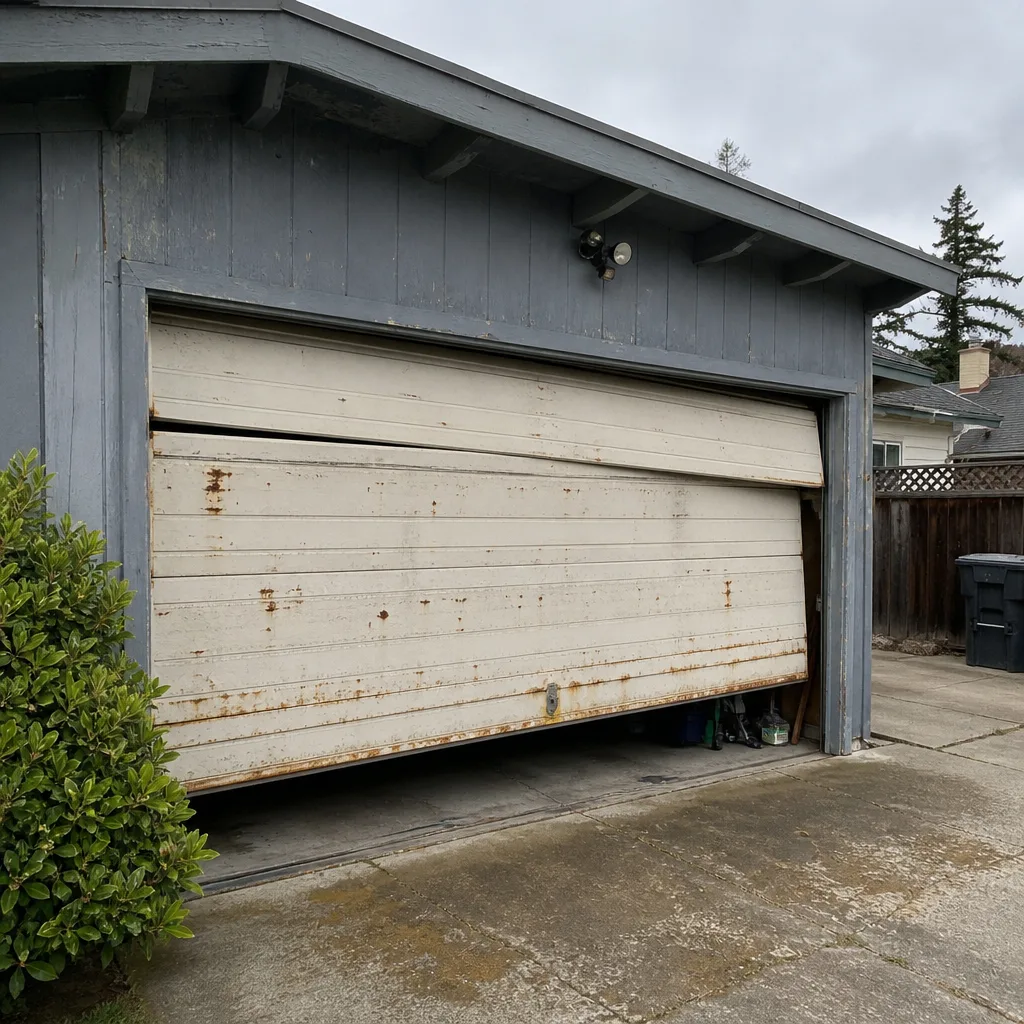 Before
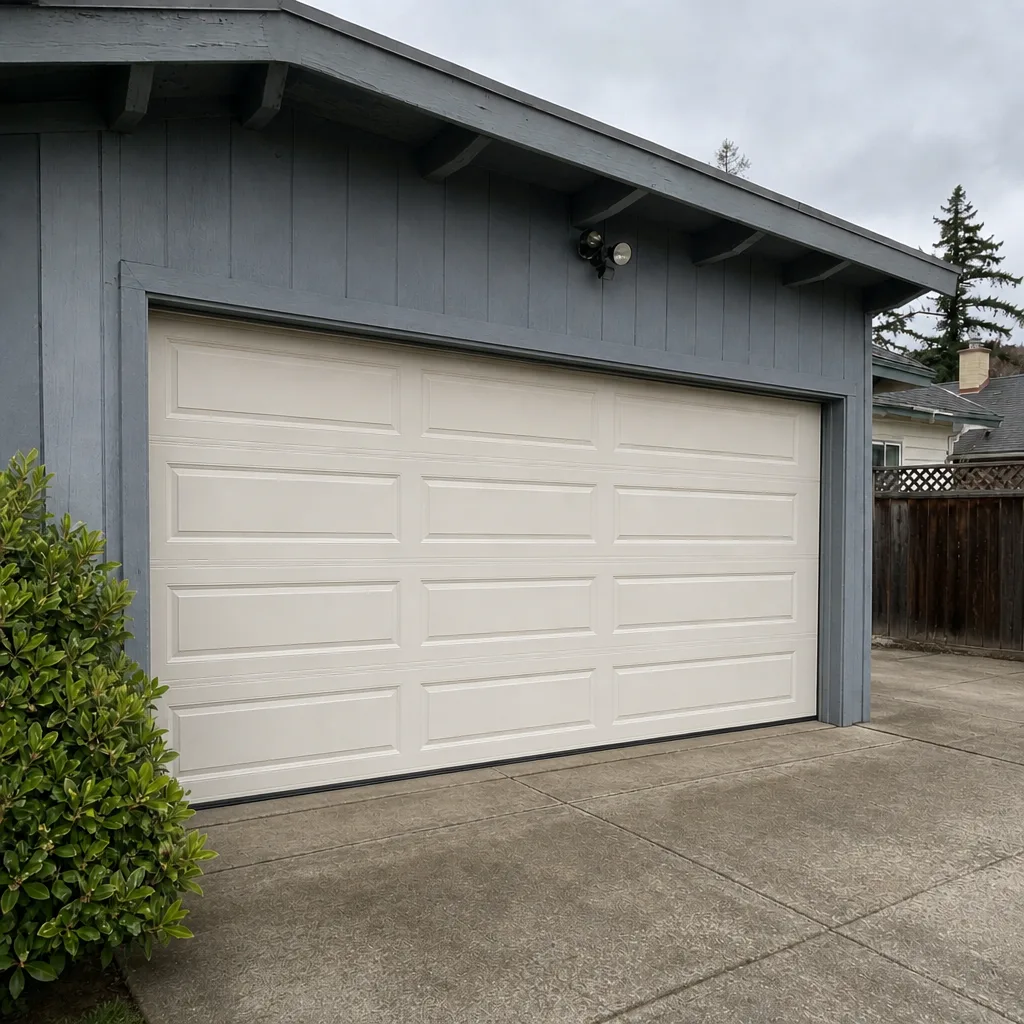 After
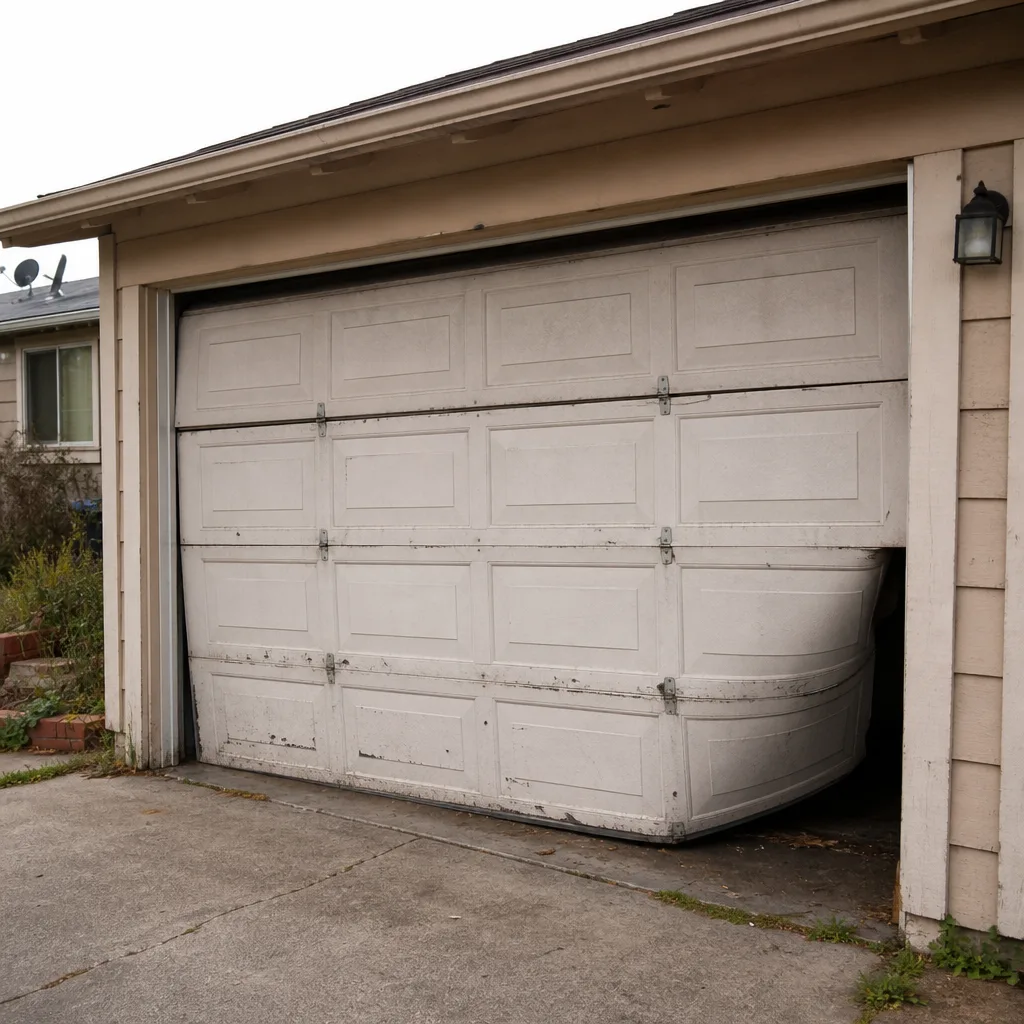 Before
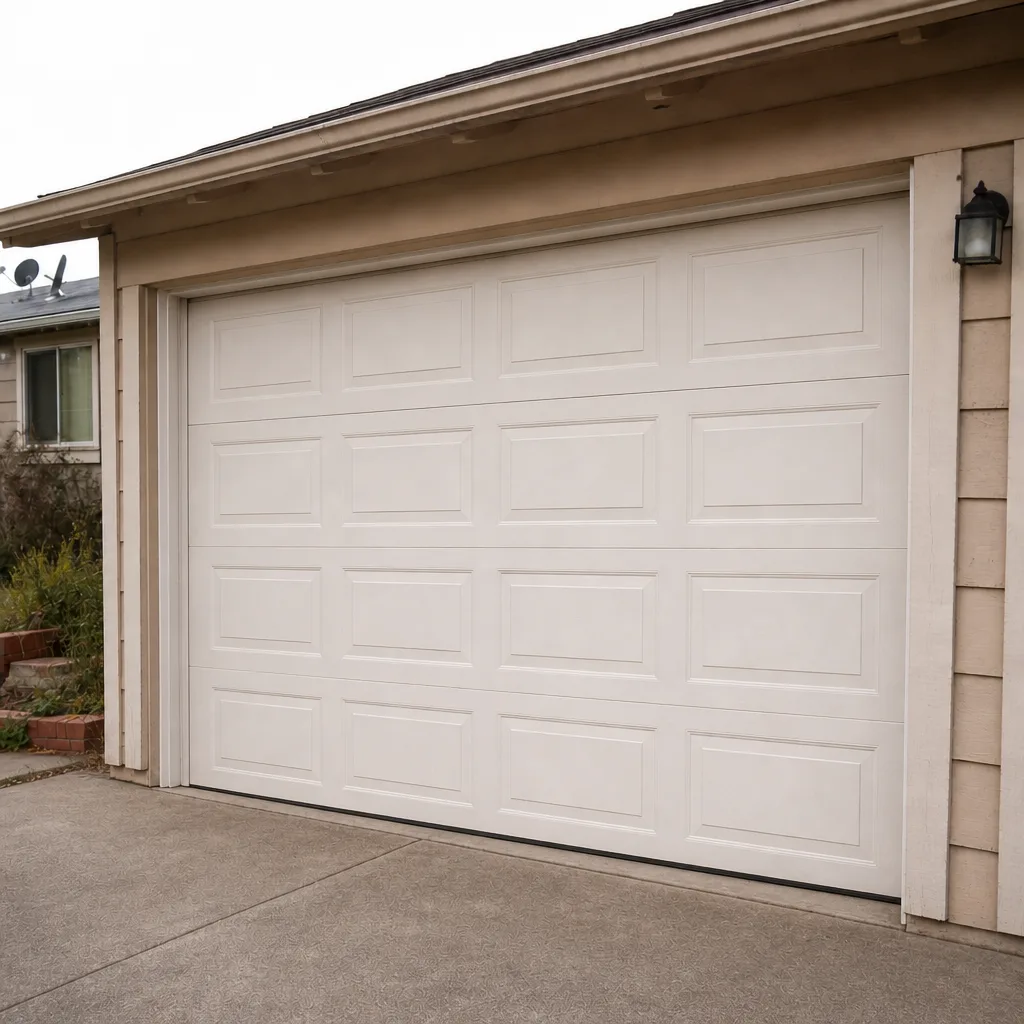 After
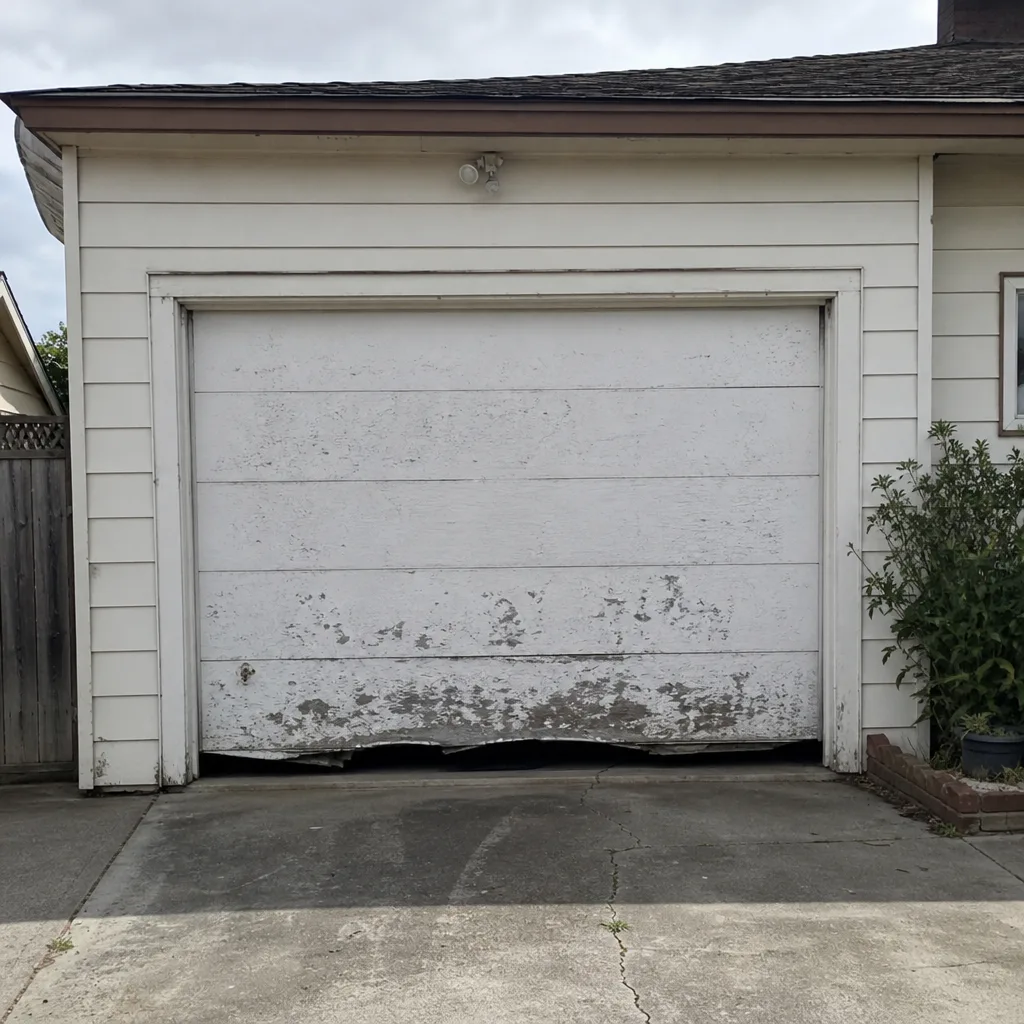 Before
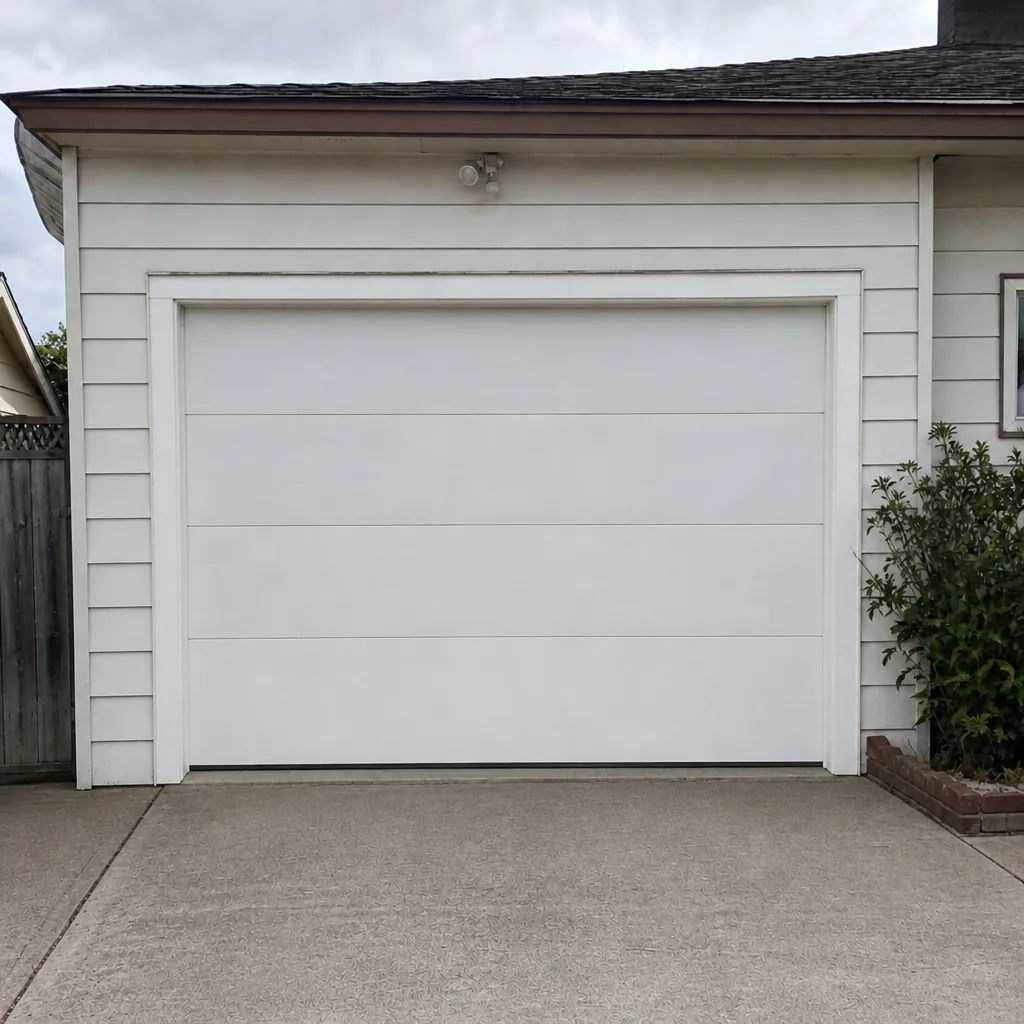 After
Frequently Asked Questions
Legally, yes: California’s residential exemption lets a homeowner work on their own primary residence without a contractor license. Practically, no. Torsion springs hold stored energy that causes serious injury even on a standard 7-foot door, and a snapped spring is not a skill problem. Keep the door closed and call for a repair.
It depends on the door and the opener. On a standard-height, single-door install with a LiftMaster or Chamberlain unit and an existing power source, DIY can save real money. On a high-lift door, a multi-door install, or an outdoor-run power drop, the tool and re-do costs usually exceed the difference. Call (855) 339-8305 for a free written estimate before you decide.
It voids the warranty on the part you touched, and it can void dependent parts if the repair causes damage. Read the warranty packet before you start. If the terms exclude DIY repair on the component, that’s your signal to call for a professional install.
Spring repair is priced per job by a written estimate, and a matched pair costs roughly twice a single spring because pairs are replaced together. The written estimate is the price, and it’s set before any work begins. Call (855) 339-8305 for an exact quote; estimates are free.
Garage door repair covers the door’s mechanical parts: panels, springs, cables, tracks, hinges, and rollers. Opener repair covers the drive system: the motor, belt or chain, sensors, remotes, and connectivity. A stuck door can be either, and the diagnosis tells you which. Our technicians are trained on both, so you don’t have to call a second company when one turns out to be the other.
Most stuck-door calls get same-day service in Vallejo. A door stuck open is a security problem, so we prioritize it. Call (855) 339-8305. We answer 24/7, and dispatch runs 7am to 7pm, Sunday through Friday.
The Bottom Line
The DIY-or-pro question on a garage door comes down to physics, not skill. Rollers, hinges, seals, lubrication, and limit switches are yours to own, and doing them well saves real money over the life of the door. Torsion springs, cables, and any work under tension belong to a trained technician, and the legal exemption in California doesn’t change that. Opener installs are the middle ground: legal to DIY, but the mistakes hide for months. Where you hire out, get a written estimate first. And if you want the diagnosis without guessing, our team in Vallejo handles the whole system, from Trailhead Garage Door Repair to garage door repair to garage door opener repair, and we’re ready to start at Vallejo.
Call Trailhead Garage Door Repair at (855) 339-8305 for a free estimate. We answer 24/7. Fast dispatch from 7am to 7pm, Sunday through Friday. One call, one crew, one fix, whether you’re starting at the trailhead or a few miles down the path.
Written by the team at Trailhead Garage Door Repair.