
Last updated November 15, 2026
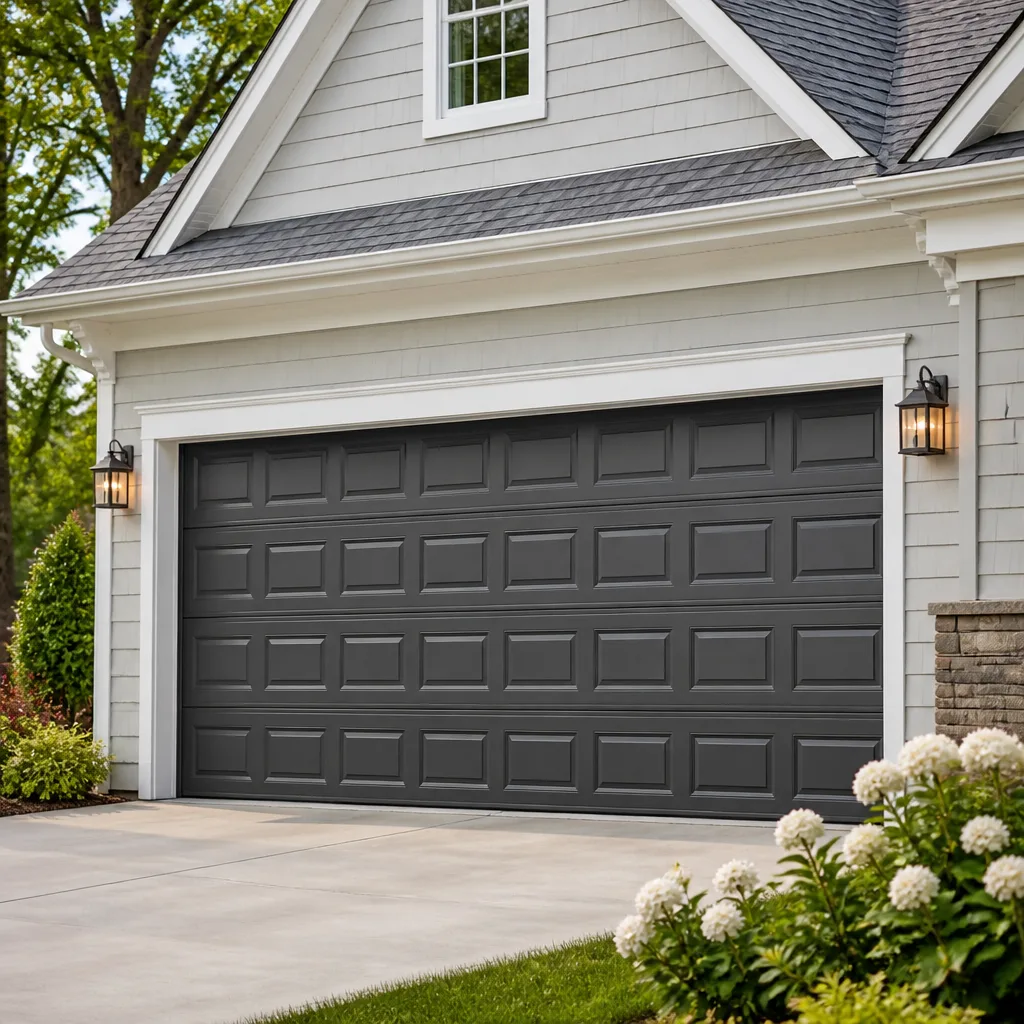 Raised-panel steel
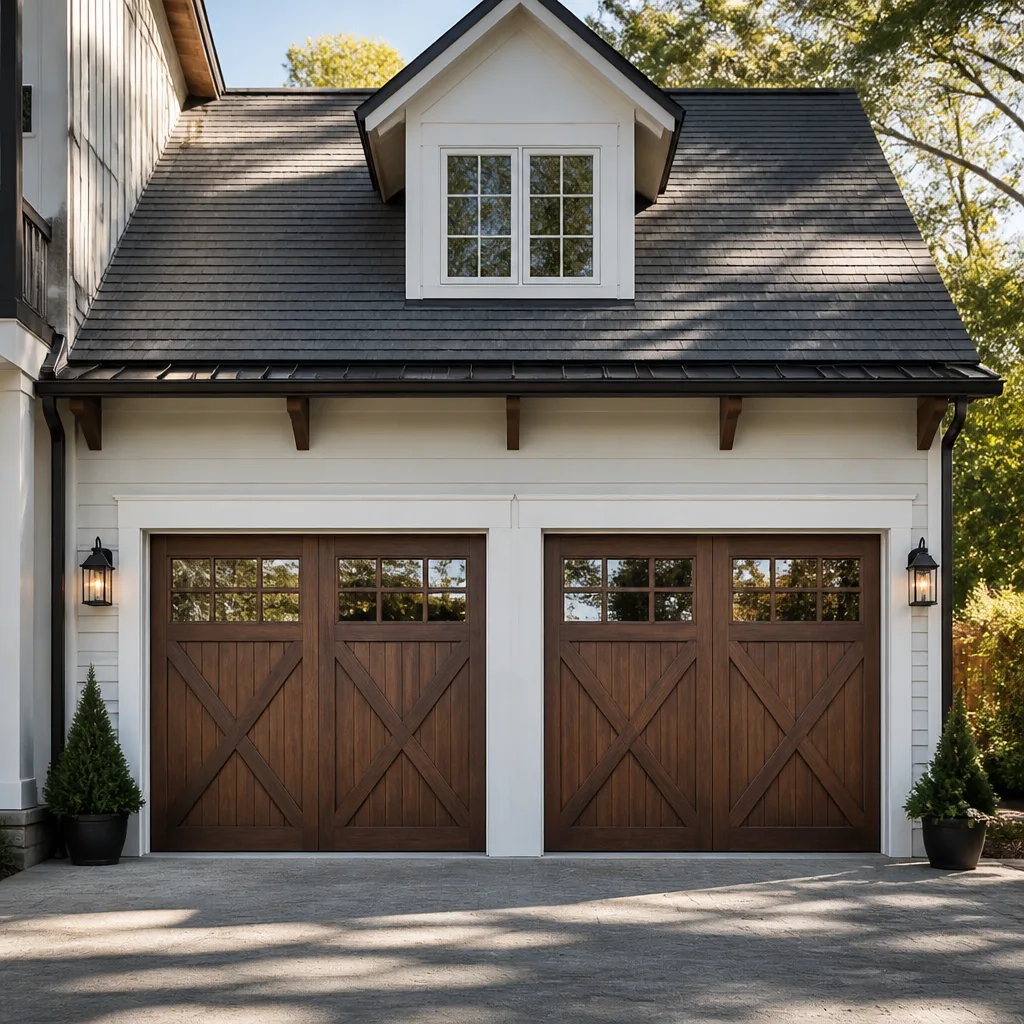 Carriage house
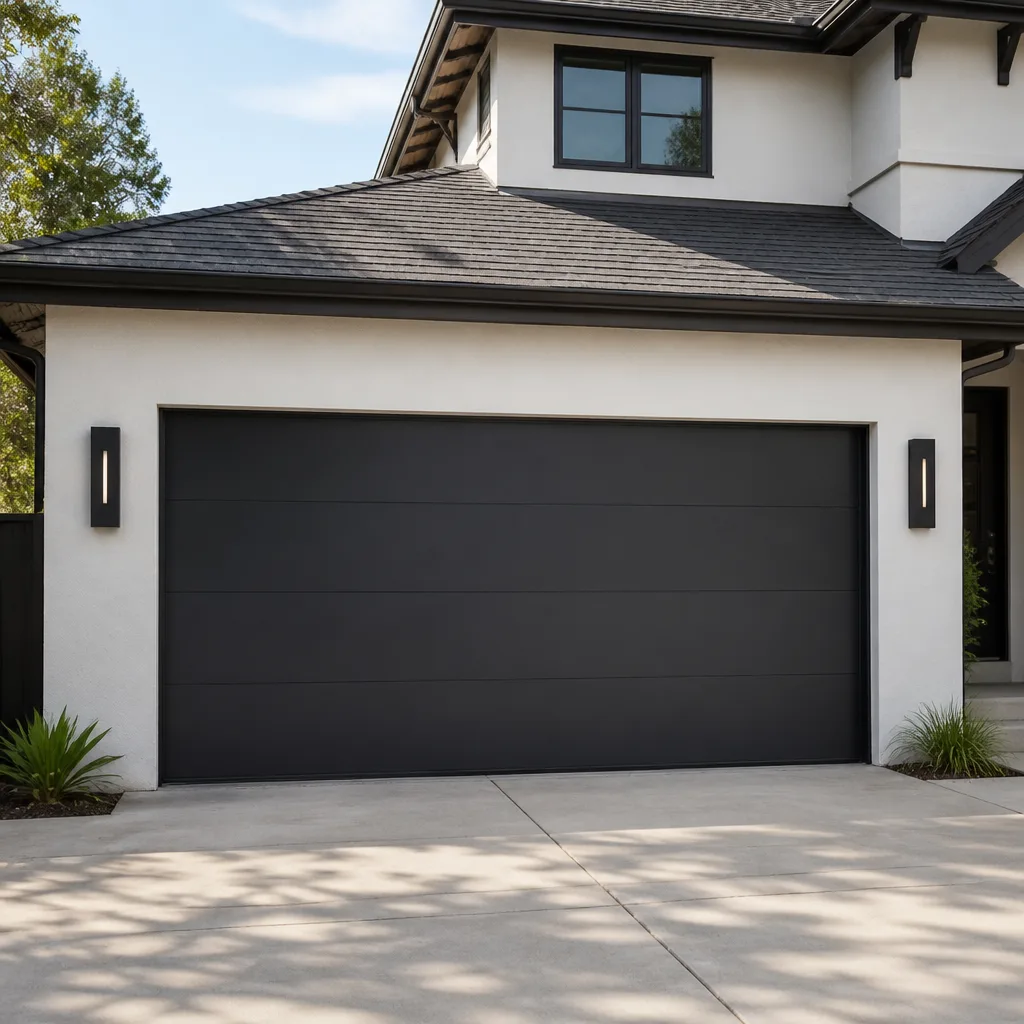 Modern flush
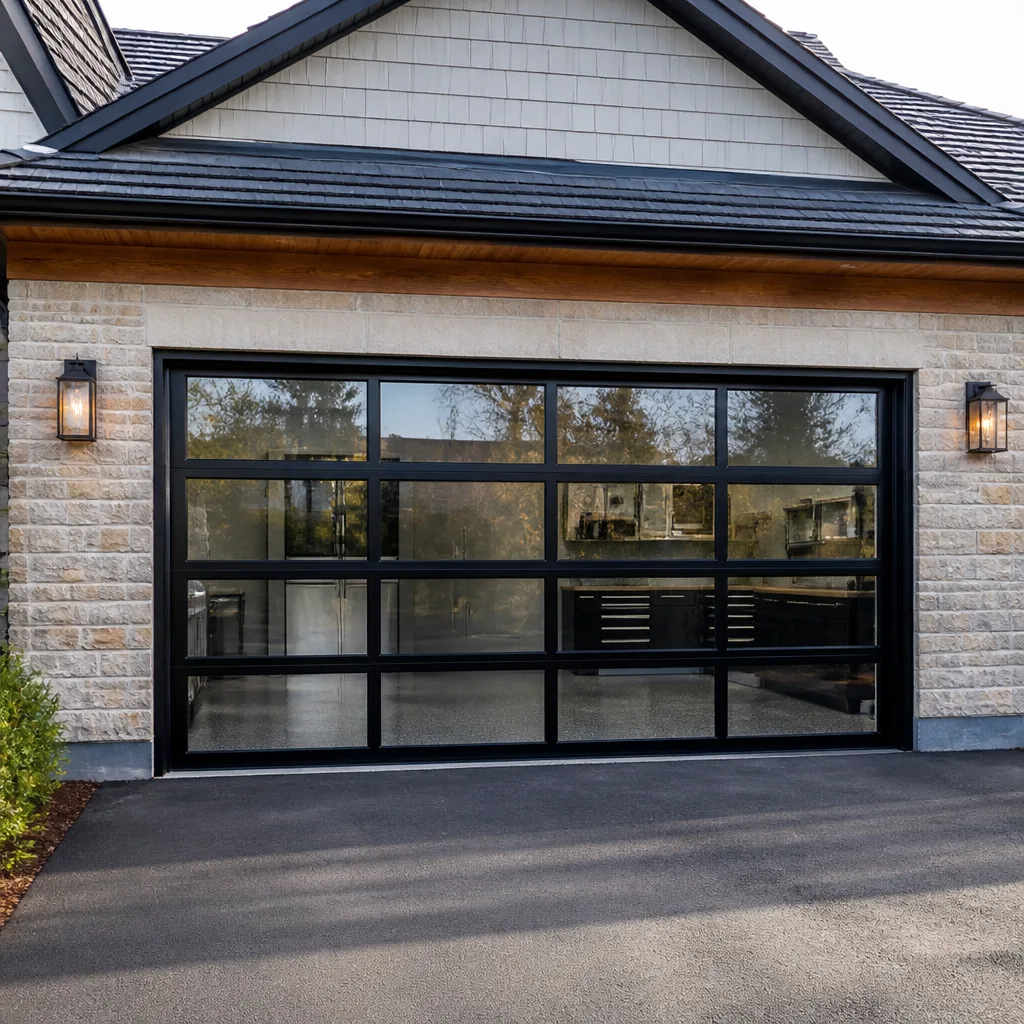 Full-view glass
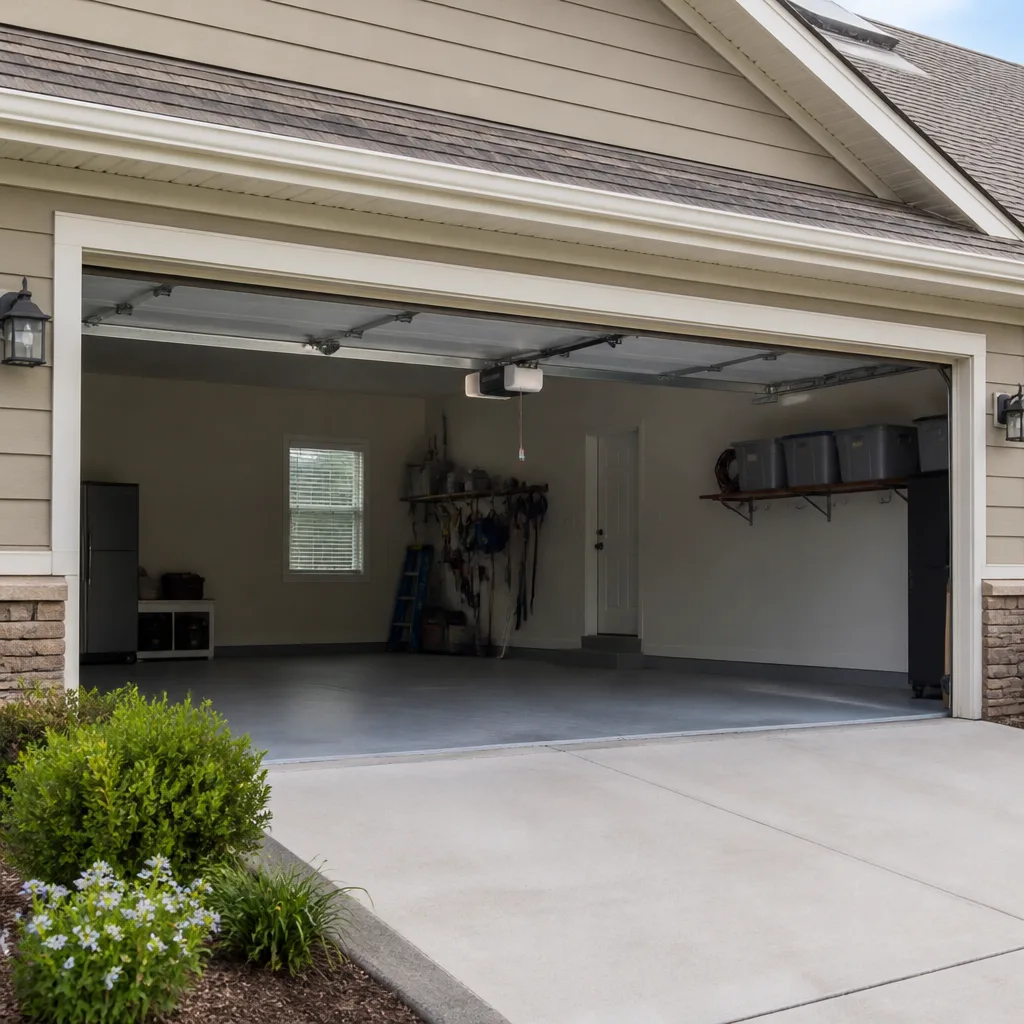 LiftMaster openers
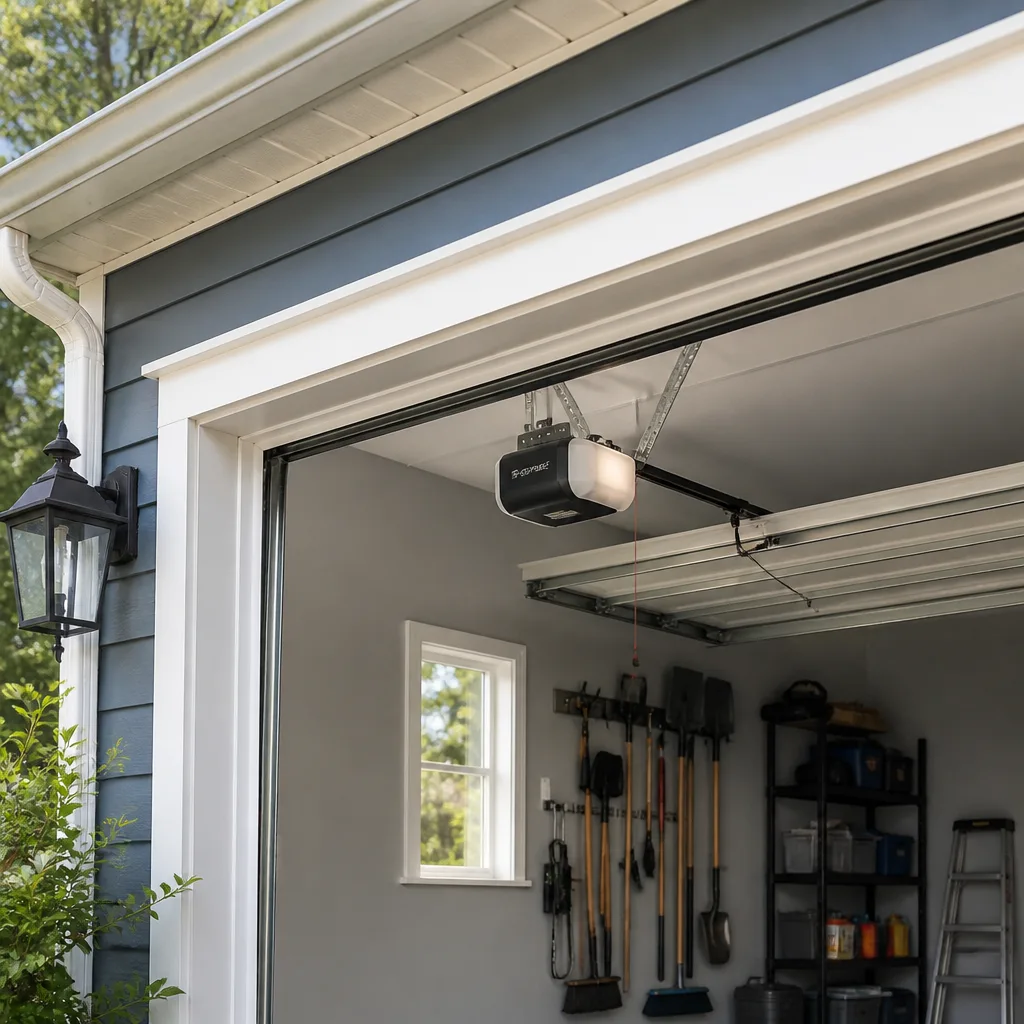 Chamberlain openers
Full 25-point door and opener safety check with every visit - springs, cables, rollers, tracks, and your LiftMaster or Chamberlain opener included
You get a price before we start. It does not change when the pro arrives.
Get your free estimateHow to Hire a Garage Door Contractor in Vallejo: A Step-by-Step Guide
A contractor who quotes a torsion spring replacement without asking for your door’s weight and cycle rating doesn’t know what they’re installing. That’s the whole test, and it takes about ninety seconds to run. Most hiring advice tells you to collect three quotes and skim some reviews. That process filters out nobody. A generalist handyman with a magnetic sign and a polite phone manner clears both hurdles and still shows up without the spring you actually need. Vallejo homes hold a wide spread of door ages, panel styles, and opener generations, and the questions that separate a door specialist from a confident generalist are technical, not social. This guide hands you those questions, plus the licensing check, quote structure, and warranty language that protect you before anyone arrives.
Quick Answer
Hire a garage door contractor in Vallejo by verifying an active license on the CSLB website, asking five technical questions about your specific door and spring, requiring an itemized written estimate that names cycle-life ratings and brand-specific parts, and getting warranty terms in writing before work starts. A contractor who can answer the technical questions, show an active license, and put everything in writing is worth hiring. One who deflects any of the three is not, no matter how good the reviews look.
Styles & brands we work with
- Raised-panel steel
- Carriage house
- Modern flush
- Full-view glass
- LiftMaster openers
- Chamberlain openers
Table of Contents
- Five Questions That Expose a Generalist
- Verify the License in Under Three Minutes
- Red Flags Specific to Garage Door Work
- How to Read a Quote: Itemized vs. Lump Sum
- Warranty Terms You Need in Writing First
- Why Brand Familiarity Changes the Diagnosis
- The Spring Conversation: Safety and What Not to Attempt
- When to Call a Professional
Five Questions That Expose a Generalist
Every one of these has a real answer a trained technician gives without hesitation. A deflection, a vague reassurance, or a pivot to scheduling is your signal to end the call. Ask them before you book, not after.
- “What’s the weight and cycle rating on my door?” A torsion spring is matched to door weight and to how many cycles (one open plus one close) the spring is rated for. Standard springs often carry a 10,000-cycle rating, and higher-cycle options exist for doors that get heavy daily use. A specialist asks for your door’s measurements or comes out to measure before quoting. A generalist guesses or quotes a “standard spring.”
- “Which springs will you install, and what cycle life do they carry?” The answer should name the spring type, wire gauge, and cycle rating in plain terms. If the reply is “the right one for your door,” you’ve learned what you needed to learn.
- “Is this a torsion or extension spring system, and why does that change the job?” Torsion springs run on a shaft above the door; extension springs run along the sides. Repair method, safety, and cost all differ. A technician who can’t explain which system you have hasn’t looked at a door like yours recently.
- “Do you work on my opener brand?” Name your opener: LiftMaster, Chamberlain, Genie, Craftsman, and similar. A specialist says yes and names the model family’s quirks. Someone who works on everything from decks to dishwashers usually has to diagnose your opener from scratch on the clock.
- “What’s in the written estimate, line by line?” The answer tells you whether parts, labor, disposal, and any rebalancing are broken out or blended into one number. More on this in the quote section below.
Write the answers down. Comparing a stack of written answers takes ten minutes and tells you more than any review page. It’s the same approach we take internally, and it’s why the right starting point for a garage door problem is a specialist rather than whoever answers a general handyman search.
Verify the License in Under Three Minutes
California contractors must hold an active license with the Contractors State License Board (CSLB) to perform work above the state’s small-job threshold, and any contractor quoting garage door work in Vallejo should be able to hand you a license number on request. Verification is fast, free, and public.
- Get the contractor’s license number in writing, ideally on the estimate itself.
- Go to the CSLB website and open the “Check a License” lookup.
- Enter the number and confirm three things: the status shows Active, the classification covers the work, and the business name matches who’s quoting you.
- Check the license’s expiration date and any disciplinary history or complaint disclosure listed on the record.
- Screenshot the result and file it with your estimate.
That’s the entire process. It’s the fastest protection you have, and it’s the step most homeowners skip because the contractor seemed fine on the phone. A legitimate operator expects it and won’t flinch. If someone gets irritated that you checked, that’s its own answer.
Two things to know about the classification. Garage door installation and repair generally falls under a specialty license, so confirm the classification is appropriate for the work being quoted rather than assuming any active number covers doors. Second, a contractor who can’t produce a number at all is either unlicensed or evasive; either way, you’re done with that call. Ask for proof of insurance at the same time. Getting a license number and an insurance certificate should take one text message from any competent operation.
Red Flags Specific to Garage Door Work
General contractor red flags are well known: no written estimate, pressure to decide right now, cash-only. Garage doors have their own version of each, and they cost homeowners the most expensive repairs in this trade. Watch for these:
- Vague spring “size” quotes. If the contractor says “we’ll put on the right spring when we see it” without asking door weight or measuring, they’re not matching spring to door. A wrong-rated spring wears out fast or overworks the opener.
- Refusal to state cycle-life ratings. A real estimate names the cycle rating of the spring being installed. No rating means no basis for comparison, and no basis for the warranty that usually rides alongside it.
- Same-day pressure tactics. “The price goes up after today” is a sales script, not a scheduling reality. Springs don’t have a Tuesday discount. Legitimate urgency comes from a door that’s unsafe, not from the calendar.
- Quoting a spring pair as one spring. Springs are typically replaced as a matched pair. If the quote shows one spring price for a two-spring job, ask why.
- No mention of rebalancing or testing. A spring replacement isn’t finished until the door is rebalanced and the opener’s force and travel limits are set. A quote that skips that step is quoting a smaller job than the one that’s actually needed.
- Steering every call toward a full replacement. Some doors genuinely need replacing. But a car that needs brake pads shouldn’t trigger a pitch for a new engine. If you went in for a noisy opener and every path leads to “new door,” get a second opinion.
- Cash-only or payment before any inspection. A deposit before diagnosis on a repair call is unusual. Walk.
- No written anything. Verbal quotes are worth what you paid for them. Every job needs a written estimate before work starts.
Any one of these is a conversation. Three together is a walkaway.
How to Read a Quote: Itemized vs. Lump Sum
A legitimate estimate breaks the job into parts you can compare. A lump-sum quote hides the parts mix, and that’s where padding and substitution happen. Line items to demand:
- Spring: count, type (torsion or extension), wire type and cycle rating
- Cables, drums, or bearings: whether replacement is included or optional, with cost listed separately
- Rollers and hinges: replaced or reused
- Labor: stated separately from parts
- Rebalancing and opener force/travel reset: explicitly included
- Old part removal: included or charged
- Warranty terms: in writing, with durations
- License number and insurance certificate: attached to the estimate
Two quotes that both say “$465 for spring repair” can mean completely different jobs once you line-item them. One might include new rollers and rebalancing; the other might swap one spring, skip the pair, and leave the opener force setting untouched. Itemization makes the difference visible before you sign.
Also, ask what the quote does not include. A good estimator answers that clearly, because the last thing a good operation wants is a surprise on the final invoice. The final price should match the estimate you agreed to before work started. If a contractor can’t say that sentence out loud, keep looking. For a straightforward repair, see what a garage door repair estimate should look like when it’s done right.
Warranty Terms You Need in Writing First
Warranty language is where a good repair becomes a lasting one and a mediocre repair becomes a second call. Before anyone touches your door, get four things in writing:
- Parts warranty, with brand and duration. If the spring, opener motor, or rollers fail within the term, who supplies the replacement and who pays for labor to install it?
- Labor warranty, with duration and scope. Does the labor warranty cover the specific failure you’re having fixed, or only “installation defects”?
- Exclusions. Most “parts and labor” warranties exclude normal wear, misuse, damage from a vehicle strike, and (critically) failures caused by an unrelated part that wasn’t replaced. If your spring warranty is voided because a worn cable was reused, that’s a gap worth naming in writing.
- Who honors it. If the warranty is transferable to a future homeowner, or tied to the original installer, you want to know now, not after you sell.
Read the exclusions twice. That’s where the actual terms live. A warranty that promises five years on a spring but excludes wear is a warranty that excludes the only failure mode springs have.
For opener work, also ask what happens if a new motor is installed and the existing remotes or keypad stop working. A good estimate clarifies whether remote programming is included in the install price. Brand-specific knowledge matters here: an opener specialist who already knows LiftMaster and Chamberlain wiring and remote protocols doesn’t need to sort out compatibility on a second visit. That’s part of why garage door opener repair from someone fluent in the major brands runs more efficiently than a generalist diagnosis.
Why Brand Familiarity Changes the Diagnosis
Garage doors and openers come in a small number of dominant brand families. In Vallejo and across the Bay Area, most homes have one of a handful of doors (Clopay, Amarr, Wayne Dalton, and similar) paired with an opener from LiftMaster, Chamberlain, Genie, or Craftsman. A technician who knows those systems arrives with the parts list and the failure pattern already in mind; a generalist starts from zero, on your clock.
Practical example: Craftsman openers built on the Chamberlain platform share logic and remote protocols with their LiftMaster cousins. A technician who knows that family diagnoses one mystery as three knowns. Same with Genie’s older screw-drive units versus modern belt-drive models; the failure modes and part numbers don’t cross over. And a Wayne Dalton door with its own tension system has different failure patterns than a Clopay panel door on a standard torsion setup. None of this is exotic. It’s just detail that lives in specialists’ heads and doesn’t live in a generalist’s toolkit.
Ask one brand-specific question early: “Have you worked on this opener model before?” The right answer names the model family and its known quirks. The wrong one says “yeah, sure.” That single exchange tells you whether the person arriving at your Vallejo home will diagnose efficiently or learn on your door. If you’re considering a full installation, brand familiarity is even more important, since panel fit, hardware kits, and opener compatibility all need to line up on the same job.
We focus on eight brands, and we’ve seen installations gone wrong precisely because a contractor mixed a hardware kit from one manufacturer with panels from another. It works, technically, until it doesn’t. A specialist keeps the brands on the estimate and the hardware matched to the door. If you’re weighing whether to repair or replace, an honest specialist will say both. If you’re serious about it, get the picture straight before you decide: Vallejo homeowners have options, and a focused garage door specialist is a better bet than a general handyman for this system.
The Spring Conversation: Safety and What Not to Attempt
Torsion springs and the cables that connect them to the door hold serious stored energy. They are the single most dangerous component in this system, and they are not a DIY project, not with online tutorials, not with a winding bar kit. A spring under tension can release that energy instantly if the wrong tool slips or a cable fails during handling. Every year, this causes serious injury to people who trust a search result more than a diagnostic. And a spring can look fine while it’s already past its cycle limit. The only way to know is measurement and inspection.
What you should do when a spring fails:
- Keep the door closed and stop using the opener. An opener fighting a broken spring can burn out its motor or damage the door’s panels.
- Don’t try to lift the door by hand if it won’t stay up. The full weight of the door is now unsupported.
- Don’t attempt to adjust, wind, or unwind anything on the spring shaft or cable drums.
- Call a trained technician. A licensed specialist has the tools, the training, and the parts to do the work safely.
What to ask the technician: what spring rating you’re getting, how the door will be rebalanced afterward, and whether the opener’s force and travel settings will be reset to match the new spring. That last part is where many repairs quietly go wrong: the spring gets replaced, the door works, and the opener is left badly calibrated, working hard against the door every cycle until something fails. Ask whether rebalancing and opener limits are in the estimate. If they’re not, ask why. For emergency spring failures, see how fast help can arrive on a garage door repair in Vallejo call.
When to Call a Professional
A stiff door is normal. A suddenly heavy one isn’t. Call a professional when a spring breaks, when a cable snaps loose, when the door comes down crooked and won’t close flush, when the opener runs but the door doesn’t move, when the door reverses immediately after closing, or when you hear a bang from the garage and the door suddenly won’t lift. Any of these are structural or system failures, and DIY attempts at springs and cables are how people end up in the emergency room.
Call sooner rather than later if the door is your primary entry point. A door that won’t close leaves your home open to weather and animals, and it stresses the opener every time you try. A trained technician can usually diagnose and quote the repair on the first visit, and for emergencies, same-day service is often possible. Our technicians have up to 11 years of experience and work on both the mechanical system and the opener electronics, so a single call covers the whole job. Trailhead Garage Door Repair offers free estimates in Vallejo – call (855) 339-8305. We answer 24/7. Fast dispatch is available 7am-7pm.
See the difference
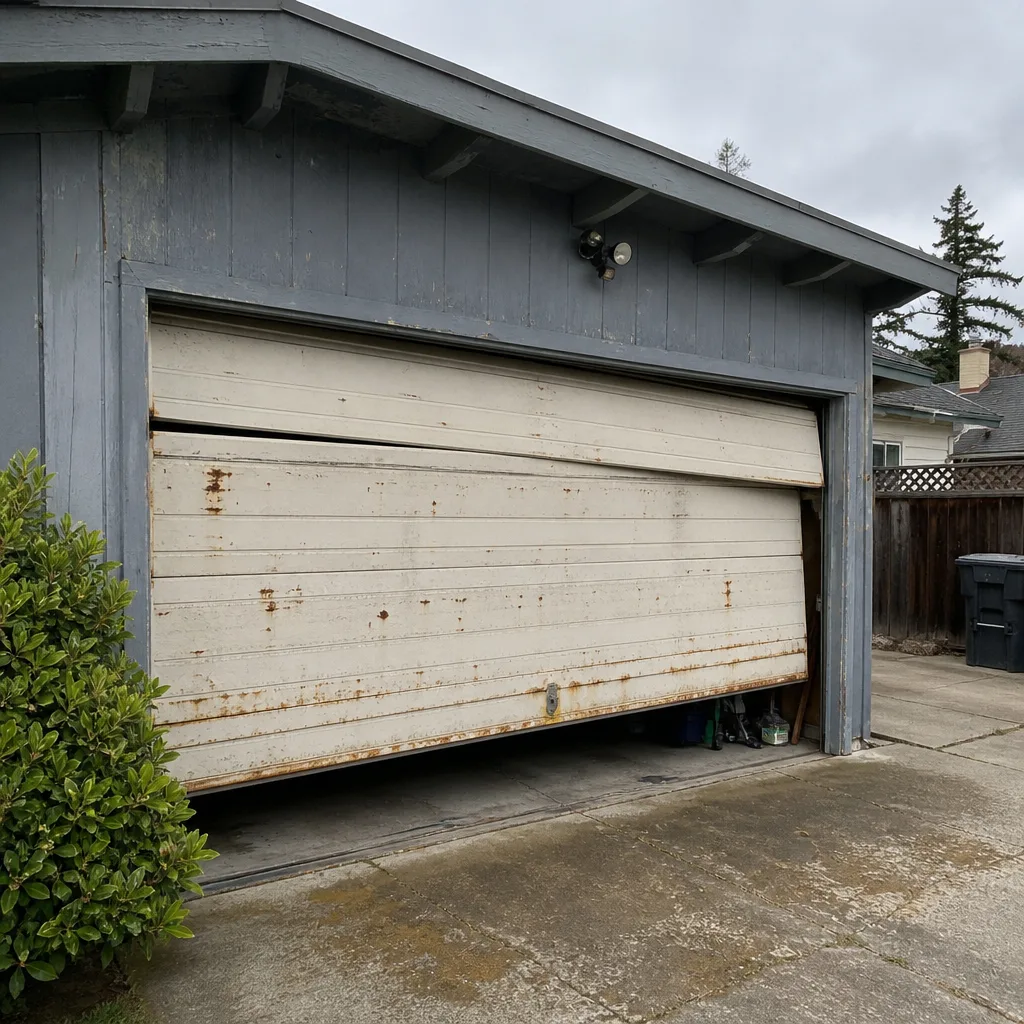 Before
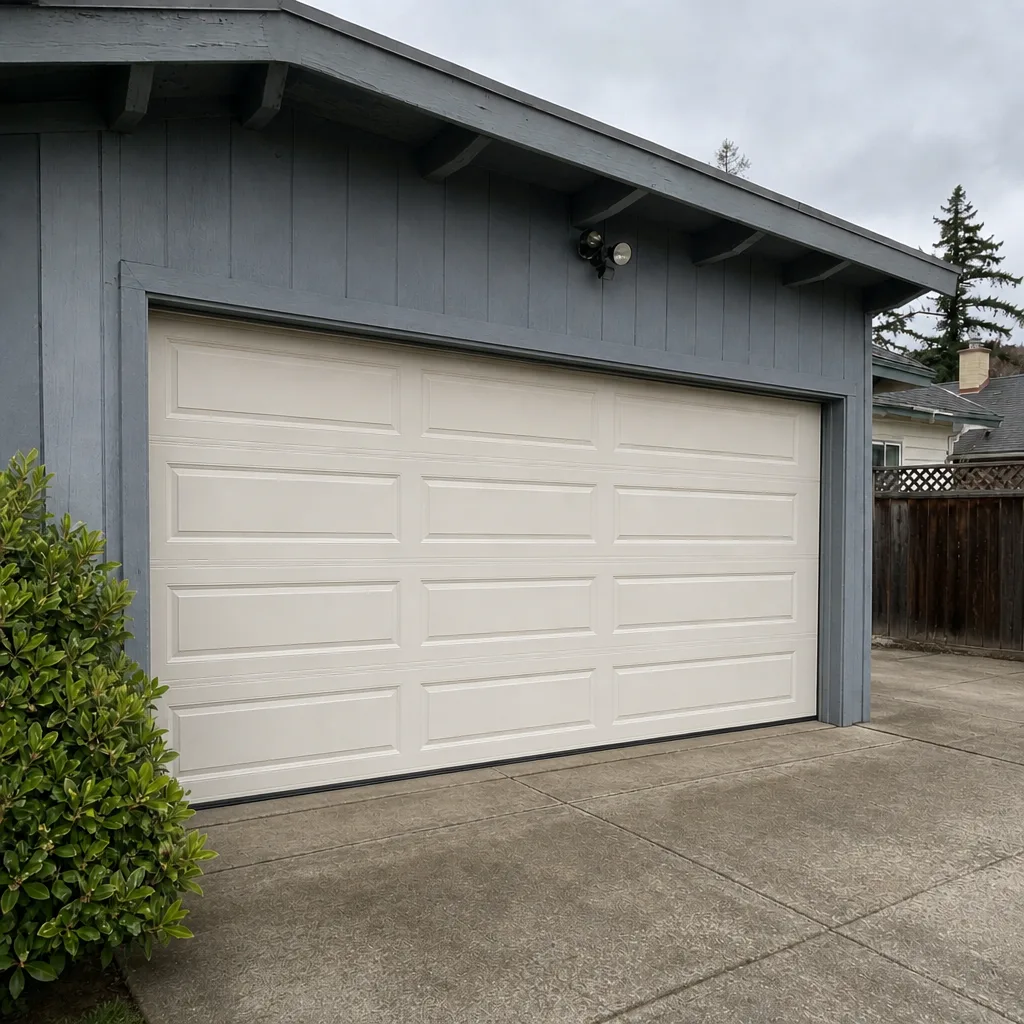 After
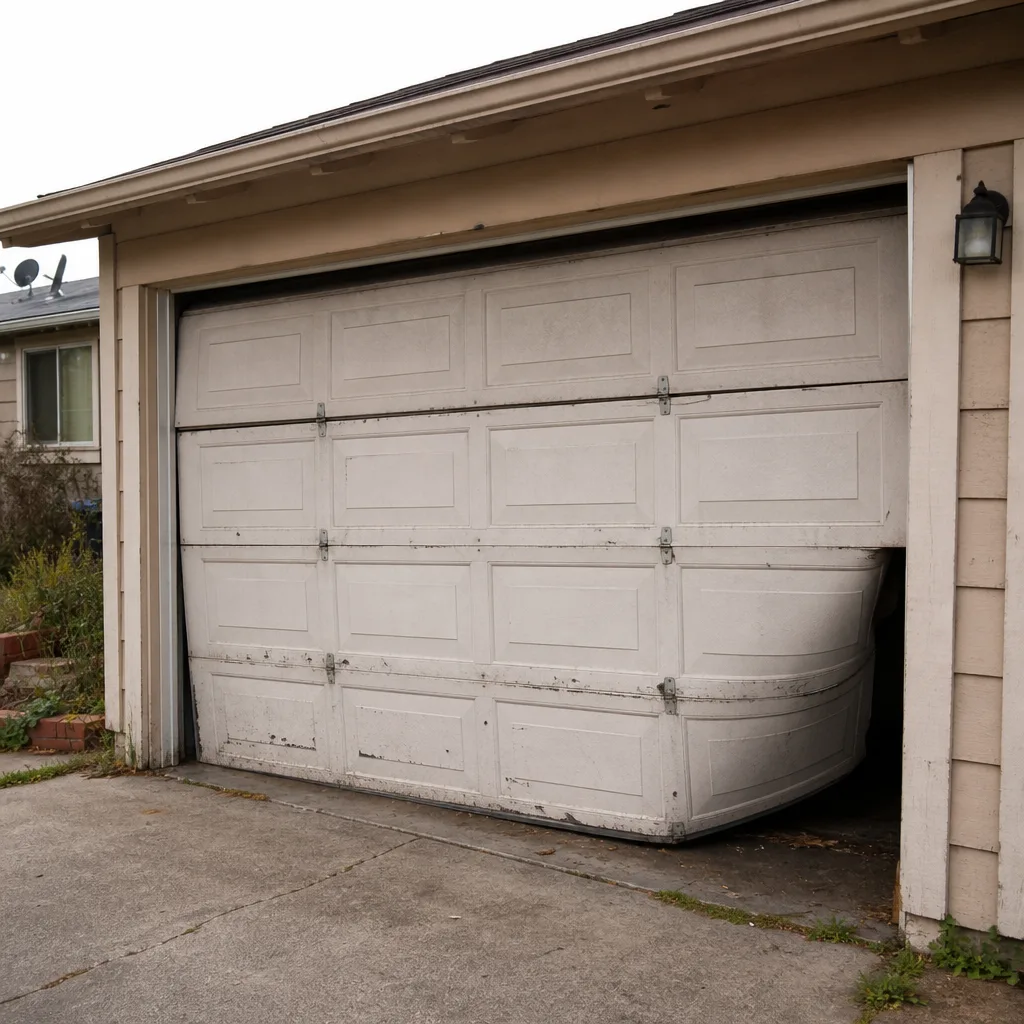 Before
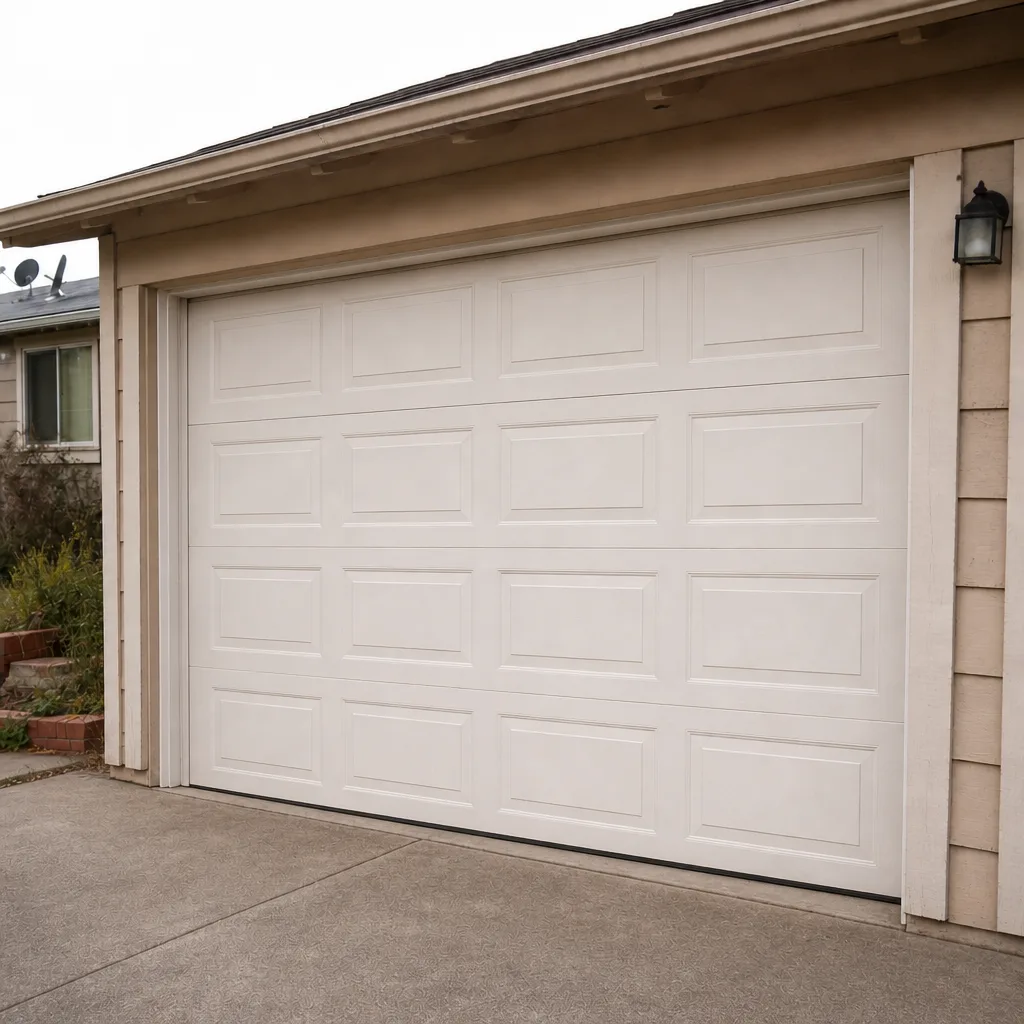 After
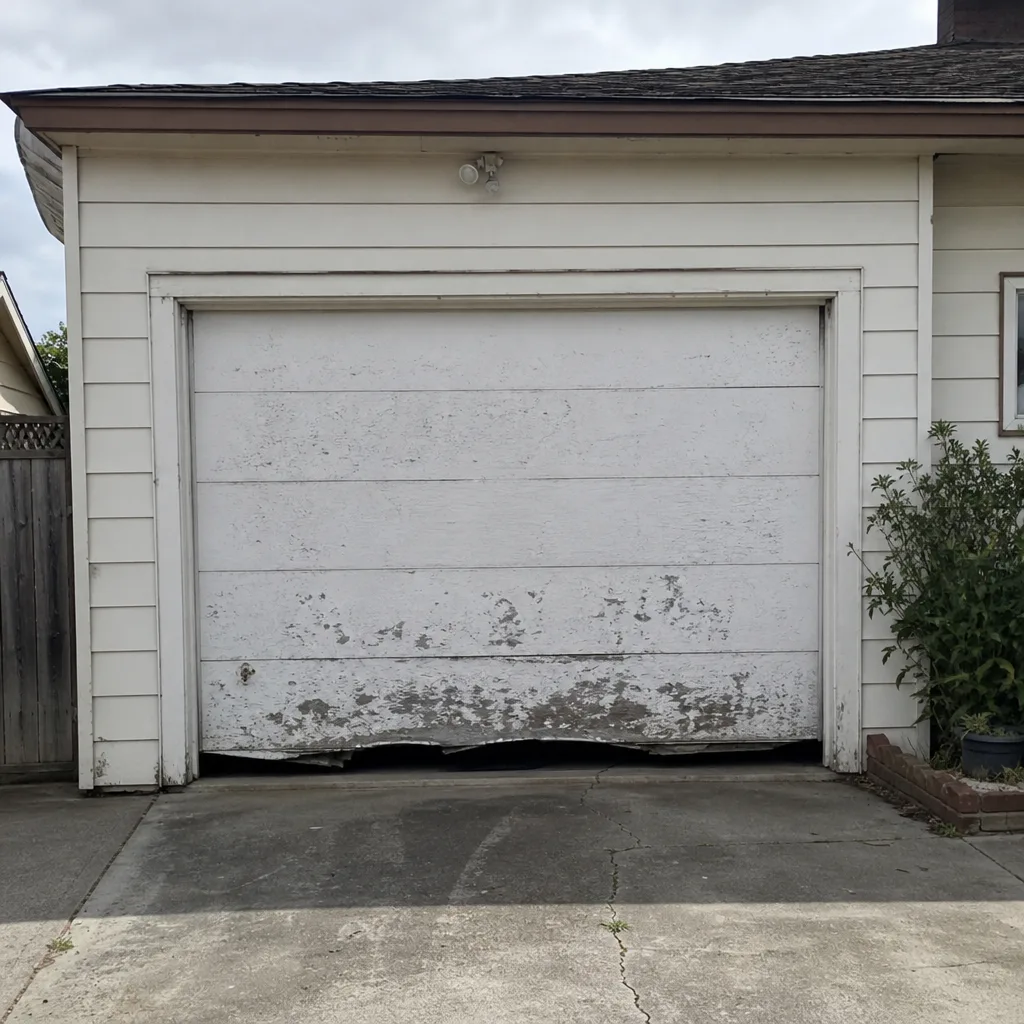 Before
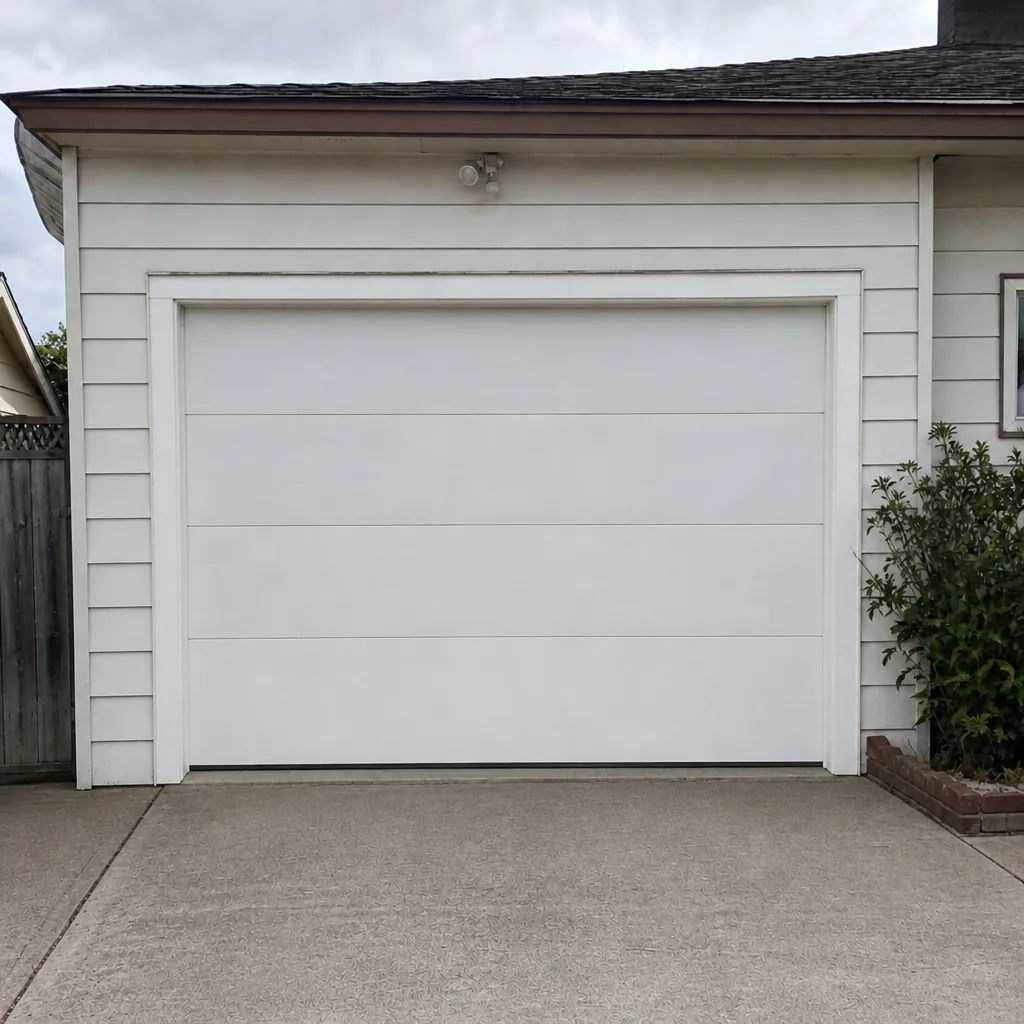 After
Common Mistakes to Avoid
- Hiring on price alone. A quote that’s $200 below the others often reflects a cheaper spring, no rebalancing, or a reused cable. Compare line items, not totals. The cheapest quote is frequently the most expensive repair.
- Skipping the CSLB check. It takes three minutes. A phone review and a text appointment do not replace a license lookup. Confirm the number before anyone arrives.
- Accepting a lump-sum quote for spring work. Springs are quoted by cycle rating, count, and rebalancing. If none of that appears on the estimate, you don’t know what you’re buying.
- Replacing one spring of a pair. If both springs are the same age, the second is on its way out. A matched-pair replacement on one visit is the correct repair; ask why if a contractor wants to replace only one.
- Letting a rep pressure you into a full door replacement. A noisy opener or a single failed spring doesn’t justify a new door. Get a second estimate before you sign anything over a full replacement if the failure was a repair-class problem.
- Not asking about opener rebalancing. A door that works but is badly calibrated will stress the opener. The spring job isn’t done until the door is rebalanced and the opener’s limits are reset. This is the most common hidden step.
- Ignoring the warranty exclusions. “Parts and labor” reads great until you find the exclusion for reused-cable failures. Read the exclusions before signing.
- Booking a repair without a written estimate. Verbal quotes and phone promises aren’t estimates. Every job needs a written number with parts, labor, and warranty spelled out.
Frequently Asked Questions
Spring repairs in California vary by door type, spring rating, and whether one spring or a matched pair is replaced. The written estimate sets the final price, and any reputable contractor will give you that number before work starts. As a general guide, ask each contractor to itemize springs, labor, rebalancing, and parts so the quotes line up. Call (855) 339-8305 for a free estimate – the price is quoted and agreed before any work begins.
Same-day garage door repair is often possible when you call early. We answer 24/7 and dispatch technicians 7am-7pm, Sunday through Friday. A call outside those hours is booked into the next opening. Call (855) 339-8305 for an exact estimate – free of charge.
Go to the CSLB website, enter the license number the contractor gives you, and confirm the status is Active with a classification that covers garage door work. The whole check takes under three minutes. Ask for the number in writing before you book, and file a screenshot with your estimate.
No. A proper quote is agreed before work starts, and that’s the number you pay. If a contractor discovers additional damage, they should present the added item as a separate written option for you to approve or decline, not fold it into the final invoice. The written estimate sets the final price.
Ask for the license number and insurance certificate before booking any garage door contractor, and check the number on the CSLB site. State-licensed, insured and bonded contractors carry the proper coverage and expect you to verify. Any contractor who hesitates when you ask for a certificate is not the one to hire. Call (855) 339-8305 for a free estimate.
Ask for the door’s weight, the spring’s cycle-life rating, whether it’s a matched-pair replacement, and whether rebalancing plus opener force-and-travel reset are included in the written estimate. If a contractor can’t answer those four questions before arriving, they’re guessing. A specialist knows the answer for your door, not a generic one. Call (855) 339-8305 to get a written estimate that spells all of this out.
Yes, for spring, cable, and opener work. Garage doors are a small, specific system, and repair decisions turn on measurements, ratings, and brand-specific parts. A specialist carries the training and the parts; a generalist learns on your door. For the full scope across door mechanics and opener electronics, the right initial call is a focused garage door company. For the bigger picture on Trailhead Garage Door Repair, our team covers all three of our service lines – repair, opener repair, and installation – in-house.
The Bottom Line
The standard advice (three quotes and a review scan) misses the questions that actually protect you. Verify the CSLB license, ask the five technical questions, demand an itemized written estimate with spring type and cycle-life ratings, and read the warranty exclusions before anyone starts. If a contractor deflects on springs, ratings, or rebalancing, hire someone else. A specialist who arrives already knowing your door’s weight and your opener’s brand will diagnose faster, quote more accurately, and hand you a warranty worth keeping. That’s the entire filter, and it fits on one page.
Call (855) 339-8305 for a free estimate. We answer 24/7. Fast dispatch, 7am-7pm. Your garage is your home’s hardest-working entry point, and the right specialist gets it back on track.
Written by the team at Trailhead Garage Door Repair.