
Last updated November 15, 2026
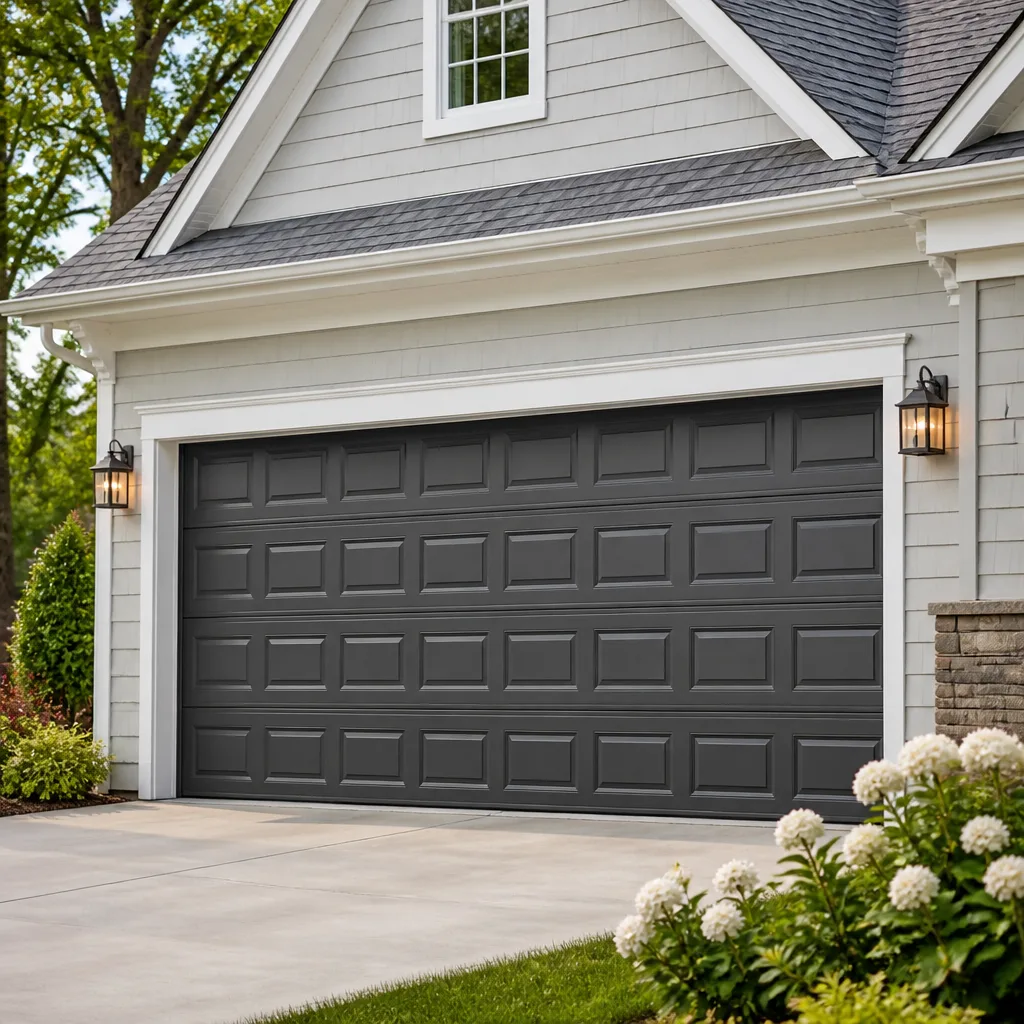 Raised-panel steel
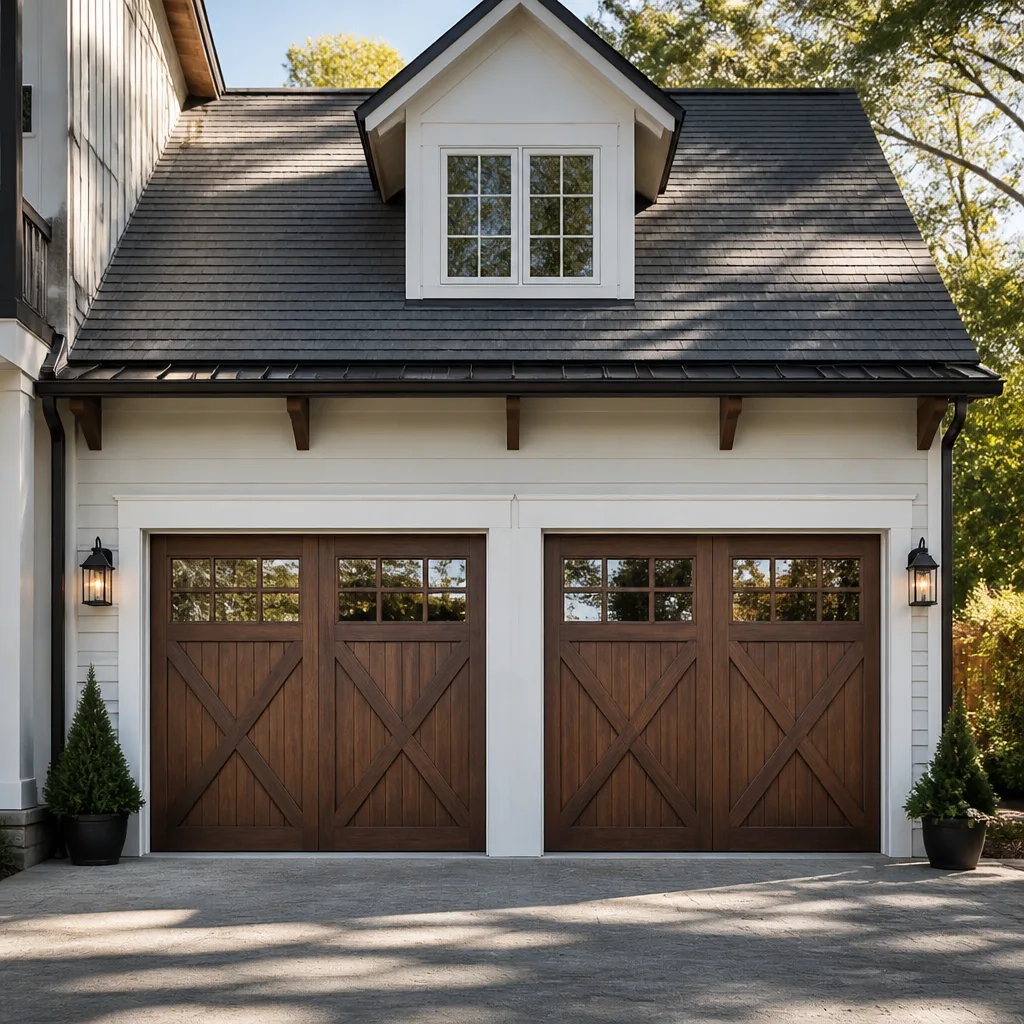 Carriage house
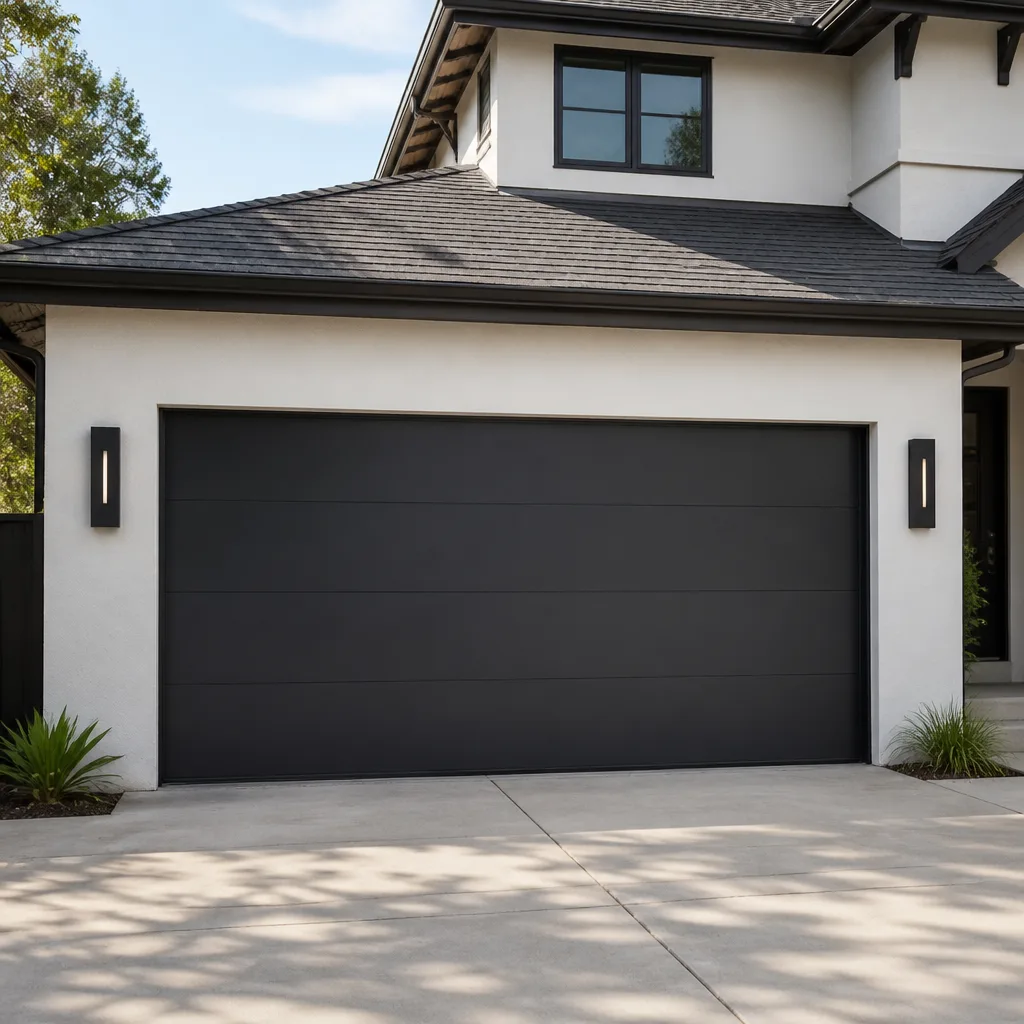 Modern flush
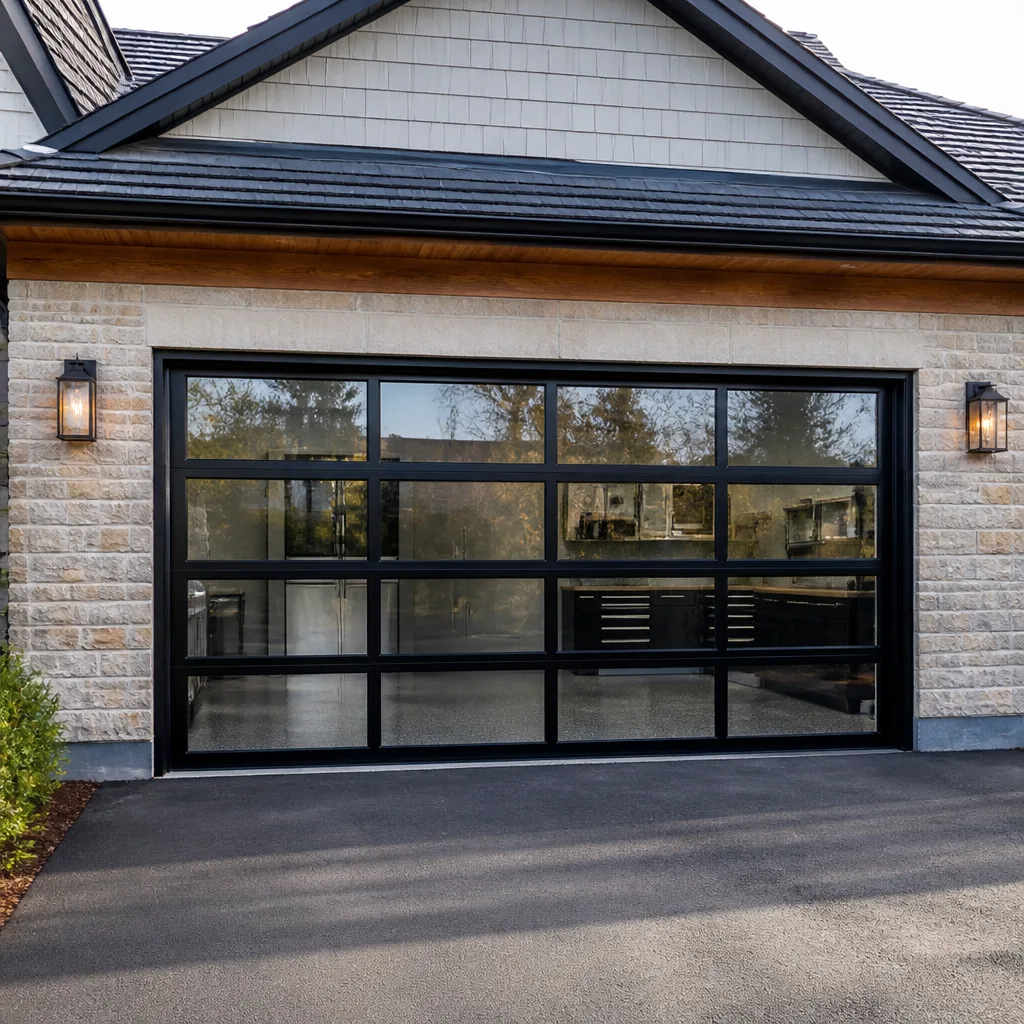 Full-view glass
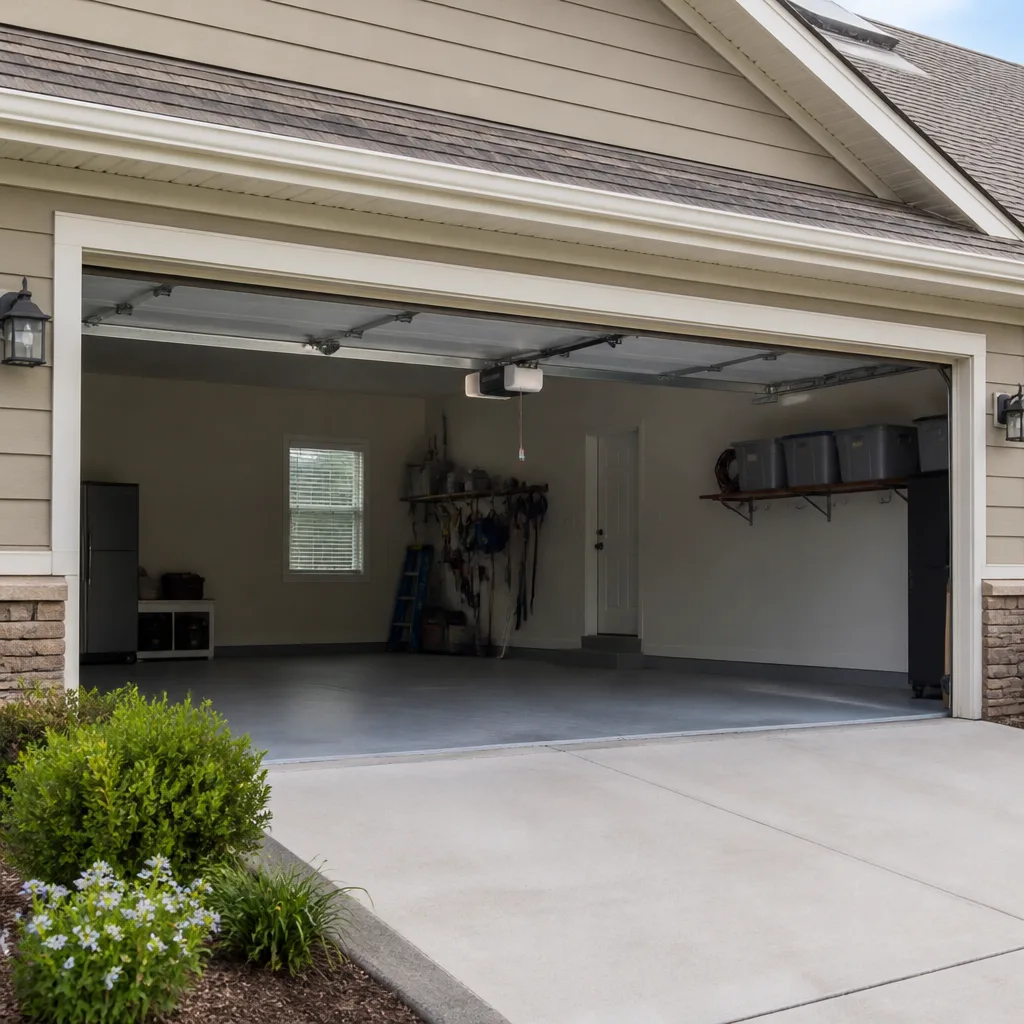 LiftMaster openers
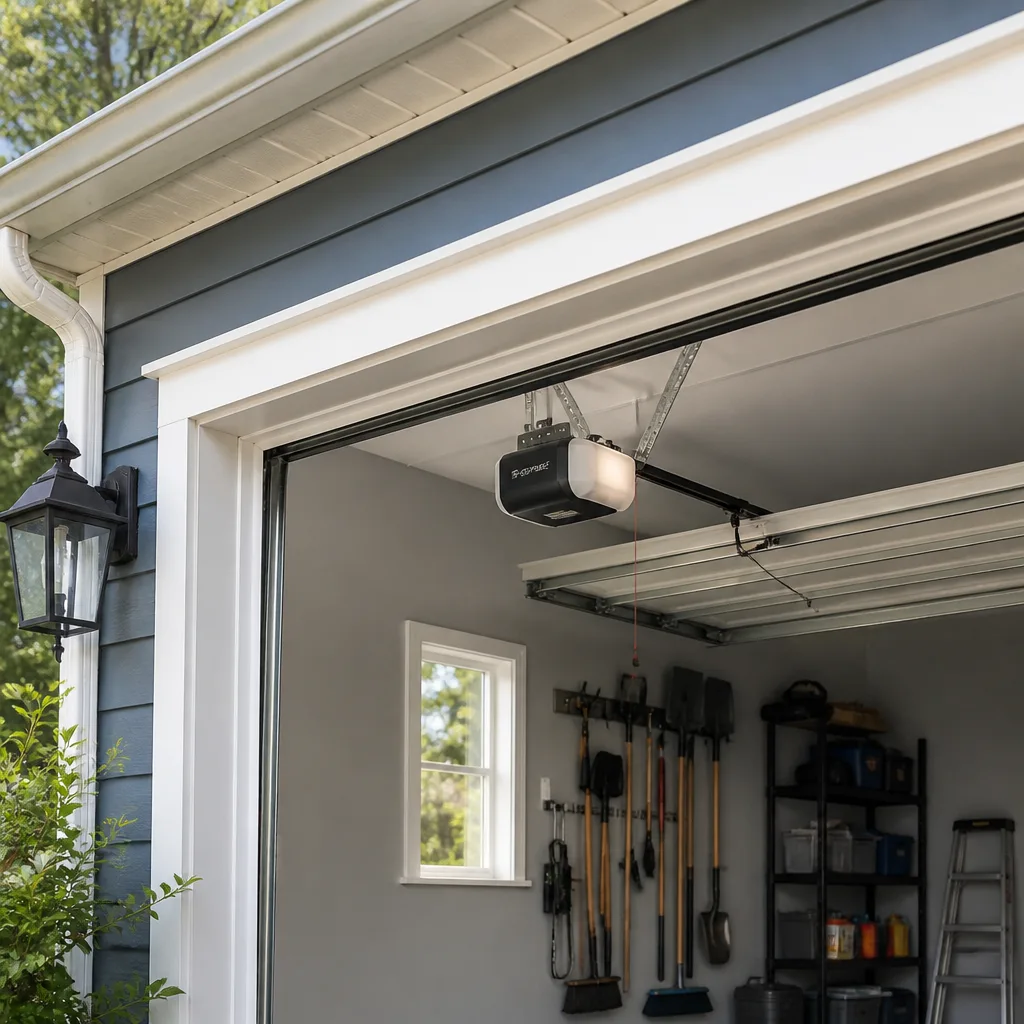 Chamberlain openers
Full 25-point door and opener safety check with every visit - springs, cables, rollers, tracks, and your LiftMaster or Chamberlain opener included
You get a price before we start. It does not change when the pro arrives.
Get your free estimateSeasonal Garage Door Care for Vallejo: Year-Round Homeowner’s Guide
Most garage door advice assumes four seasons. Vallejo doesn’t run on four seasons. It runs on a wet winter, a fog-heavy spring, and a dry-heat stretch that peaks later than most people expect. Here’s the part that surprises homeowners: the driest weeks of the year usually land in late September and October, right after months of heat have already worked over your weatherstripping. That’s when seals are most brittle and most likely to crack, and it’s also the window right before the first real rains arrive. A door maintained on a generic spring-and-fall calendar misses this entirely. This guide maps garage door care to Vallejo’s actual stress periods, with the checks that matter in each one.
Quick Answer
Garage door maintenance in Vallejo works best on three climate windows rather than four seasons: a pre-rain seal inspection in October, a dry-season spring and balance check in late summer, and a hardware and corrosion service during the fog-heavy months from February through April. Add a smart opener recalibration whenever temperatures swing hard in either direction. A door checked against these three windows lasts longer and fails less often than one serviced on a generic quarterly schedule.
Styles & brands we work with
- Raised-panel steel
- Carriage house
- Modern flush
- Full-view glass
- LiftMaster openers
- Chamberlain openers
Table of Contents
- Why Vallejo Has Three Maintenance Windows, Not Four Seasons
- The Pre-Rain Window: Testing Seals Before November
- Dry-Season Spring Tension: What Heat Does to Balance
- Fog Season: The February-April Hardware Window
- Smart Opener Sensitivity Drift Across the Temperature Range
- The Monthly Five-Minute Walk-Around
- Brand-Specific Notes: Amarr, Wayne Dalton, Craftsman, Raynor
- A Year-Round Calendar for Vallejo Homeowners
Why Vallejo Has Three Maintenance Windows, Not Four Seasons
Vallejo sits in a climate that doesn’t punish garage doors with deep cold. It punishes them with moisture timing, heat duration, and fog. Those three pressures don’t line up with spring, summer, fall and winter. They overlap, and each one attacks a different part of the door.
The wet months stress seals, thresholds and the bottom of panels. The long dry stretch stresses springs, cables and anything under constant tension. The fog months stress hinges, rollers, bearings and every fastener that can corrode. A door that’s fine mechanically in June can be a leaking, sticking problem by January if nobody looked at the seals in October.
We’ve seen this pattern repeatedly on Vallejo doors. The failures that catch homeowners off guard are rarely sudden. They build through a season nobody was watching. That’s the whole argument for a climate-matched schedule: you’re not adding work, you’re putting the same work in the right months.
Here’s the practical difference between a generic schedule and a Vallejo one:
- Generic advice: “Inspect in spring and fall.” Vallejo version: inspect seals in early October, before rain, and hardware in late winter, before fog season peaks.
- Generic advice: “Lubricate twice a year.” Vallejo version: lubricate going into the dry season and again as the fog returns, because heat dries lubricant and moisture dilutes it.
- Generic advice: “Test the auto-reverse monthly.” Vallejo version: test it monthly and expect to recalibrate after big temperature swings, because opener sensitivity drifts with heat and cold.
None of this is complicated. It’s just sequenced to the weather you actually get. If you’d rather hand the whole system to someone who knows it end to end, that’s what Trailhead Garage Door Repair does: door mechanics, opener drive systems and installation, all handled by the same focused team.
The Pre-Rain Window: Testing Seals Before November
The single most useful thing a Vallejo homeowner can do for a garage door happens in October, and it takes about fifteen minutes. You test the weatherstripping before the wet season, not during it. Discovering a seal leak in January means water has already been sitting on your threshold, your bottom panel and whatever you store against that wall.
Weatherstripping fails in a predictable order. Sun and dry heat harden the rubber through summer. By the time rain arrives, a seal that looked fine in June has lost its flexibility and no longer presses tight against the door. It cracks, flattens, or pulls away at the corners first.
Here’s how to test yours before the rains:
- The dollar-bill test. Close the door on a dollar bill placed at several points along the bottom. If you can pull the bill out easily, the seal isn’t making contact there.
- The flashlight test from inside. Close the door, darken the garage, and look for daylight along the bottom and the sides. Any visible light is a gap that water and air will find.
- The hand check. Run your hand along the seal. It should feel supple and springy. If it feels hard, slick or crumbly, it’s done.
- The corner check. Look closely at the bottom corners and the side seals. That’s where separation starts.
If a seal fails, replacing weatherstripping is straightforward work and far cheaper than dealing with water damage to stored items or a rusted bottom panel. If you find gaps plus a door that’s dragging or binding, that’s a garage door repair issue worth a professional look before the wet season settles in.
One safety note while you’re inspecting: don’t adjust springs, cables or the torsion assembly yourself. Those parts are under extreme tension, and a mistake there can cause serious injury. Visual inspection is yours. Adjustment and repair belong to a trained technician.
Dry-Season Spring Tension: What Heat Does to Balance
Vallejo’s long dry stretch does quiet damage to the parts under constant tension. Torsion springs hold the door’s weight, and heat changes how metal behaves. Through the hottest weeks, springs can lose tension or shift slightly out of balance. It’s gradual, which is exactly why it gets missed.
An out-of-balance door doesn’t always announce itself. It starts as a door that opens a little slower, or drifts down a few inches when you let go of it halfway. Left alone, the opener starts working harder to compensate. That’s where a spring problem turns into a motor problem, and a cheap fix becomes an expensive one.
Here’s a simple balance test you can run safely at any time:
- Disconnect the opener using the manual release cord, with the door fully closed.
- Lift the door halfway by hand and let go. A balanced door holds its position.
- If the door drifts down or up on its own, the spring tension is off.
- Reconnect the opener and note the result. Don’t try to correct the tension yourself.
Run this test in late summer, once the dry heat has had months to work on the springs. If the door drifts, have a technician check it before autumn. This is the check that most often prevents a door from “suddenly” failing right when you need it most.
While you’re at it, look at the rollers, hinges and cables for visible wear. Cables that fray or show broken strands are a stop-now issue, not a wait-and-see one. Don’t touch them. Call for service.
Fog Season: The February-April Hardware Window
Fog is the part of Vallejo’s weather that does the most hidden damage to garage door hardware. Moisture in the air settles on metal and stays there through the cool, damp months. Hinges, rollers, bearings, springs and every fastener on the door are exposed to it daily.
Corrosion doesn’t announce itself. It starts at the pivot points, where two metal surfaces meet and moisture lingers longest. A hinge that was smooth in January gets stiff by March. A roller that turned freely starts to drag. The door gets noisier and harder to move, and the opener takes the load.
Fog season, roughly February through April, is the right time to service hardware, because you’re catching corrosion while it’s still surface-level and the moving parts still have plenty of life. A hardware service at this point means cleaning the pivot points, checking roller condition, and applying a proper lubricant before the dry season begins.
A few signs hardware is being hit hard by moisture:
- Grinding or squealing that wasn’t there in the fall
- Visible rust or white crust on hinges or rollers
- A door that moves in small jerks instead of one smooth arc
- Loose fasteners that need re-tightening more often than usual
It also matters which door you own. Amarr, Wayne Dalton, Craftsman and Raynor models all use different hardware, and knowing the specific system means a technician checks the right wear points instead of guessing. Our technicians have up to 11 years of experience across those brands, and we already know your brand before we arrive.
Apply a garage-door-specific lubricant, not household oil or grease, which collects dirt and gum up the works. If you’re not sure what’s appropriate for your door, that’s a reasonable question to ask when a technician comes out.
Smart Opener Sensitivity Drift Across the Temperature Range
If your opener was set correctly in the spring and feels off by August, nothing is necessarily broken. Opener sensitivity drifts with temperature. The safety reverse system depends on force settings and sensor alignment, and both shift as the door’s resistance changes with the seasons.
This is where a lot of Vallejo homeowners get stuck. The opener seems to have a mind of its own: it reverses partway down on a hot afternoon, or it takes longer to close on a cold morning. That behavior tracks with temperature, and it’s usually a calibration issue rather than a failing unit.
The auto-reverse test is the one check every homeowner should know:
- Place a solid object, like a brick or a piece of wood, flat on the ground in the door’s path.
- Close the door. It should stop and reverse when it contacts the object.
- If it does, that’s correct. If it presses against the object or stops without reversing, stop using the opener and get it checked.
Run that test monthly. When it stops passing reliably, the opener needs recalibration. This applies across every brand, from LiftMaster and Chamberlain units to Genie and Craftsman openers. Because we work on the drive systems and the smart-home side as well as the door mechanics, recalibration is a single appointment rather than a referral to a second company. For a deeper look at opener diagnostics, see garage door opener repair.
Sensor alignment is the other half. The safety sensors at the bottom of the tracks need to face each other squarely. Fog, dust and the odd bump can knock them out of line. Clean the lenses and check the indicator light; if it’s not steady, realign before assuming the opener is at fault.
The Monthly Five-Minute Walk-Around
The seasonal work matters most, but a five-minute check each month catches small problems before they turn into big ones. This is the routine we recommend to every Vallejo homeowner, whatever door or opener you have.
Here’s what to look at, in order:
- Listen. Open and close the door. It should sound smooth and even. New rattles, scrapes or grinding are worth investigating.
- Test the auto-reverse. The brick test above, every month. It’s the most important safety check on the whole system.
- Check the sensors. Make sure the safety sensors are aligned and their lenses are clean.
- Look at the seals. A quick glance at the bottom and side weatherstripping for cracks or separation.
- Eyeball the hardware. Rust, loose bolts, frayed cables. Note anything that looks off, but leave adjustment to a professional.
- Watch the balance. Run the manual-release balance test once a season.
None of this takes long. Done consistently, it keeps you ahead of the three Vallejo stress periods instead of chasing failures after the fact. Your garage is your home’s hardest-working entry point, and it earns a few minutes a month.
Brand-Specific Notes: Amarr, Wayne Dalton, Craftsman, Raynor
Garage doors and openers aren’t interchangeable, and the maintenance details shift by brand. Knowing your door saves time and prevents the wrong product or procedure from being used. Here’s how the brand differences play out in practice.
Amarr doors are common in this area and come in a wide range of panel and insulation styles. Panel materials and finishes vary, which affects how seals and hardware wear, so the right replacement parts depend on the specific model.
Wayne Dalton covers a broad range of door types, including models with distinctive hardware and track configurations. Service on these benefits from a technician who already knows the lineup rather than learning it on the spot.
Craftsman is a familiar name for many homeowners, primarily on the opener side. Craftsman openers have their own logic for force settings and limits, and recalibrating one correctly is different from doing a LiftMaster or Genie unit.
Raynor doors and openers use their own hardware and settings, and the same principle applies: brand familiarity means a faster diagnosis and a repair that holds.
Your owner’s manual is the best reference for your specific model’s lubrication points and force settings. If it’s been lost, that’s not a problem; a technician who knows the brand can work from the hardware itself. Our three service lines (repair, opener repair, and installation) are all handled by the same focused team, so there’s no handoff between the door side and the opener side of a job.
A Year-Round Calendar for Vallejo Homeowners
Here’s the whole approach condensed into a calendar you can actually follow. These are the windows that match Vallejo’s climate, not the ones copied from a national checklist.
Late September into October: pre-rain seal inspection. Test weatherstripping while it’s dry, replace anything that’s hardened or cracked, and clear debris from the threshold. This is your most important check of the year.
November through January: wet-season watch. After heavy rain, check for water at the threshold or along the bottom panel. Run the monthly auto-reverse test. If water is getting in, the seals need attention before the next storm.
February through April: fog-season hardware service. Clean and lubricate hinges, rollers and pivot points. Check for early corrosion and address it before it spreads. This is the window when hardware service does the most good.
Late summer: spring and balance check. Run the manual-release balance test after months of dry heat. If the door drifts, have the springs checked before fall. Recalibrate the opener as temperatures peak.
All year: monthly checks. Auto-reverse test, sensor alignment, a listen for new noises, and a quick look at the hardware. Five minutes, once a month.
This calendar handles the mechanical side. If you’re planning a new door rather than maintaining an existing one, the timing is different: installation is measured, ordered and scheduled, so start that conversation well before you want the door in place. That’s what garage door installation covers, and it’s handled by the same team that does the repair work.
Common Mistakes to Avoid
- Maintaining on a generic four-season calendar. National advice doesn’t account for Vallejo’s late dry season or its fog-heavy spring. Match the work to the climate you have, not the one on a checklist.
- Discovering seal problems mid-winter. By the time water is coming in, the damage is already happening. Test weatherstripping in October, before the rains, not after.
- Ignoring a door that drifts. A door that won’t hold its position halfway up is telling you the springs are out of balance. Waiting lets the opener absorb the load and turn a spring fix into a motor repair.
- Using household oil on hardware. Standard oil and grease collect grit and gum up tracks and hinges. Use a garage-door-specific lubricant, and apply it going into the dry season and again as fog returns.
- Skipping the monthly auto-reverse test. It’s the single most important safety check on the system, and it takes a minute. A door that won’t reverse is a hazard, not a convenience issue.
- Adjusting springs or cables yourself. These parts are under extreme tension. Visual inspection is fine; adjustment and repair are work for a trained technician.
- Assuming a strange opener is a broken opener. Sensitivity drifts with temperature. Before replacing a unit that behaves oddly in summer and winter, check whether it needs recalibration and sensor alignment first.
See the difference
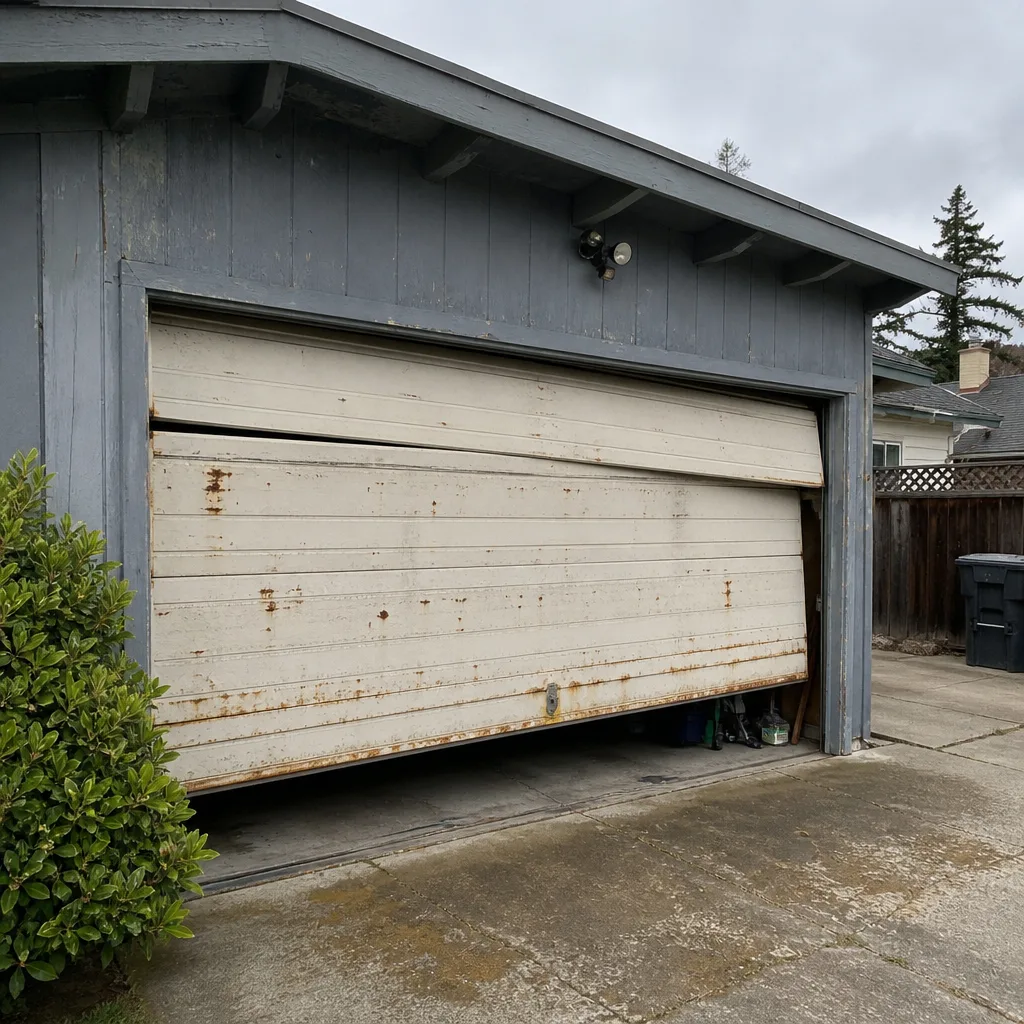 Before
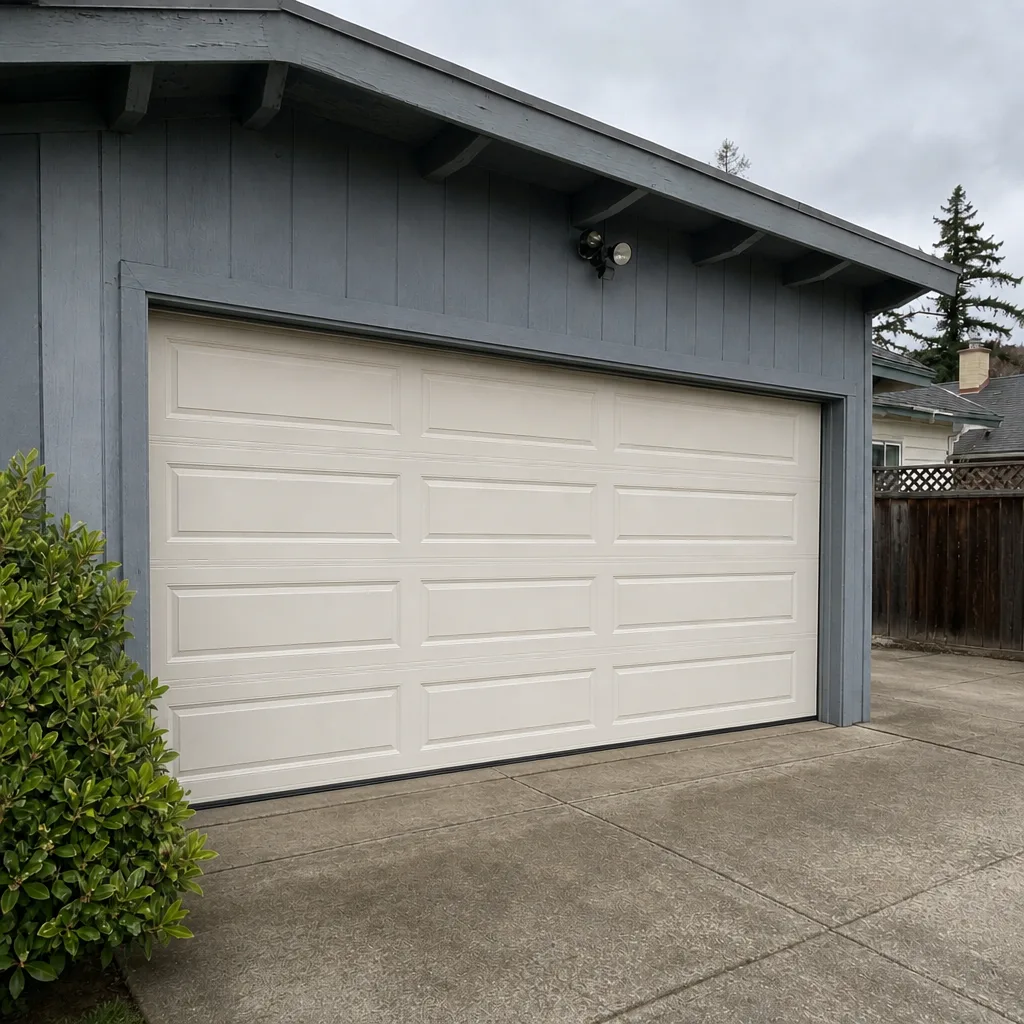 After
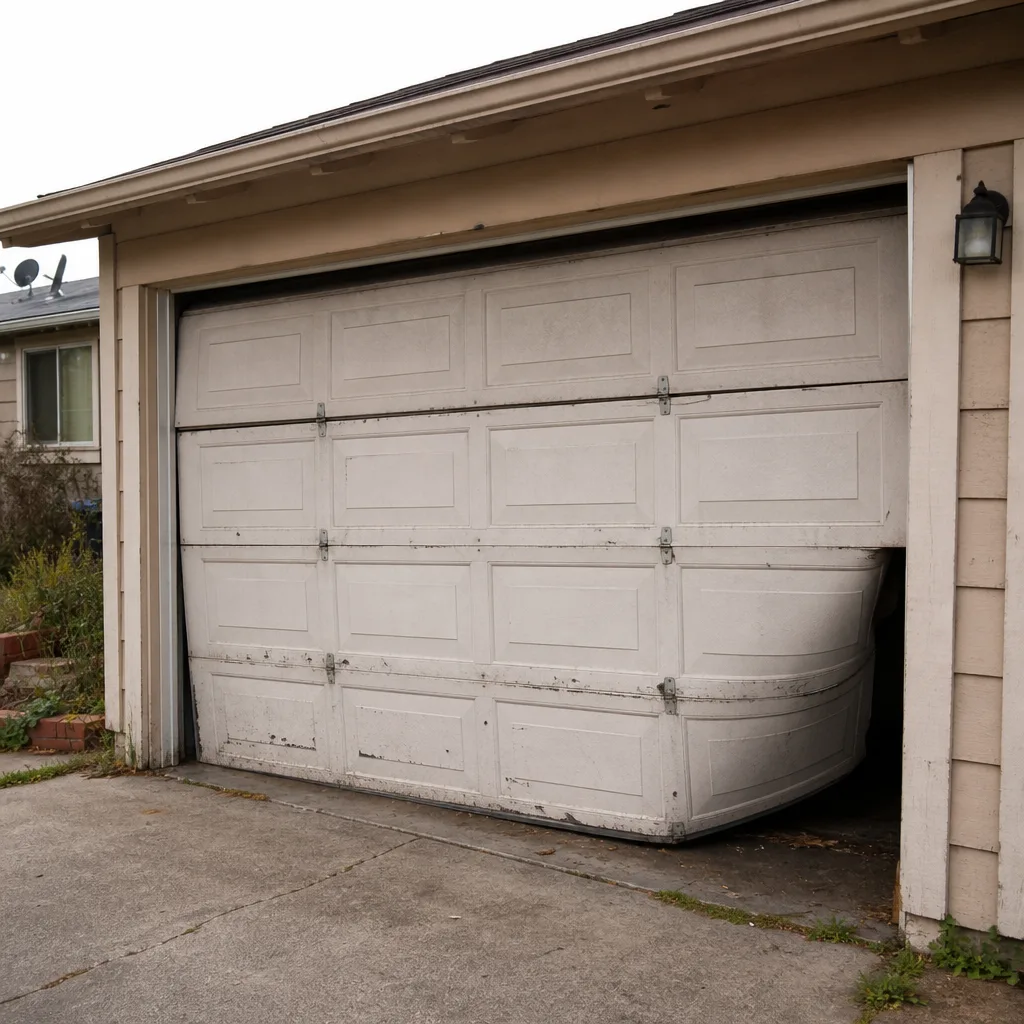 Before
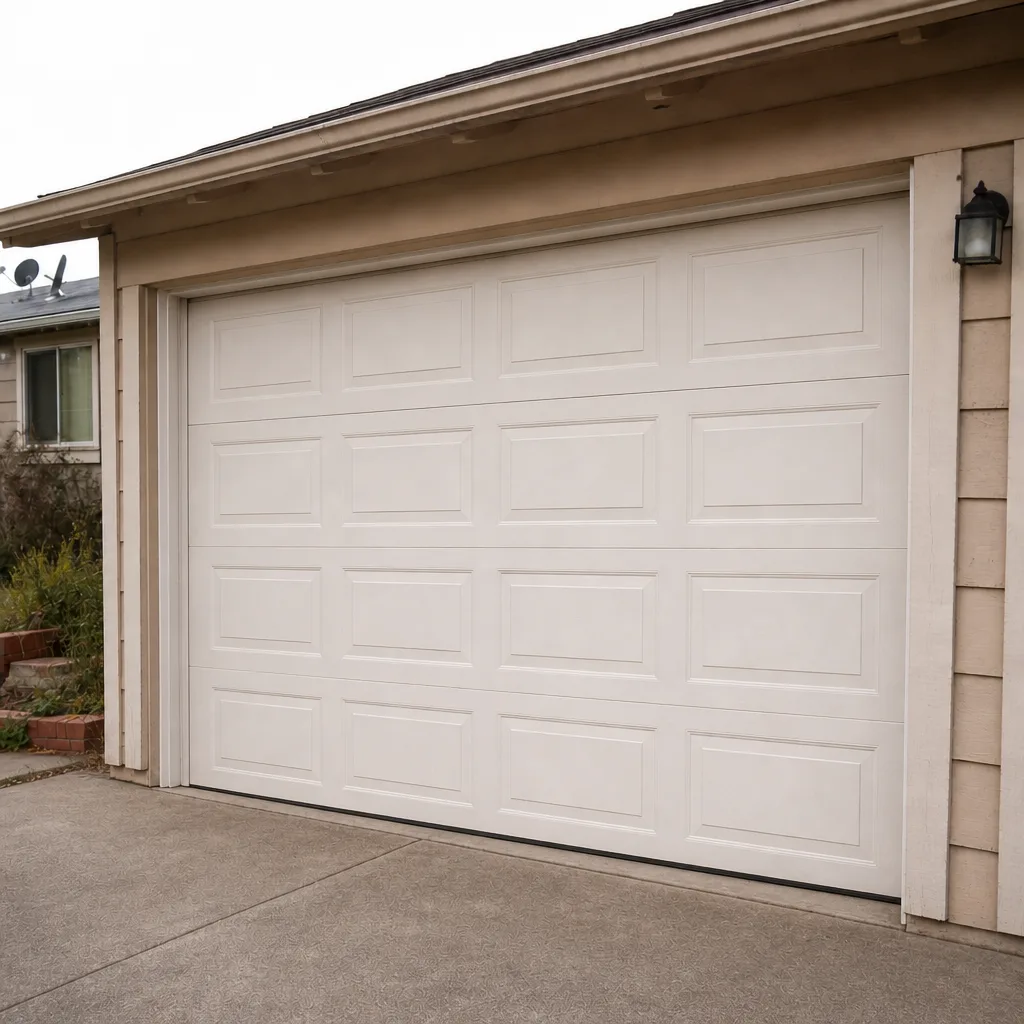 After
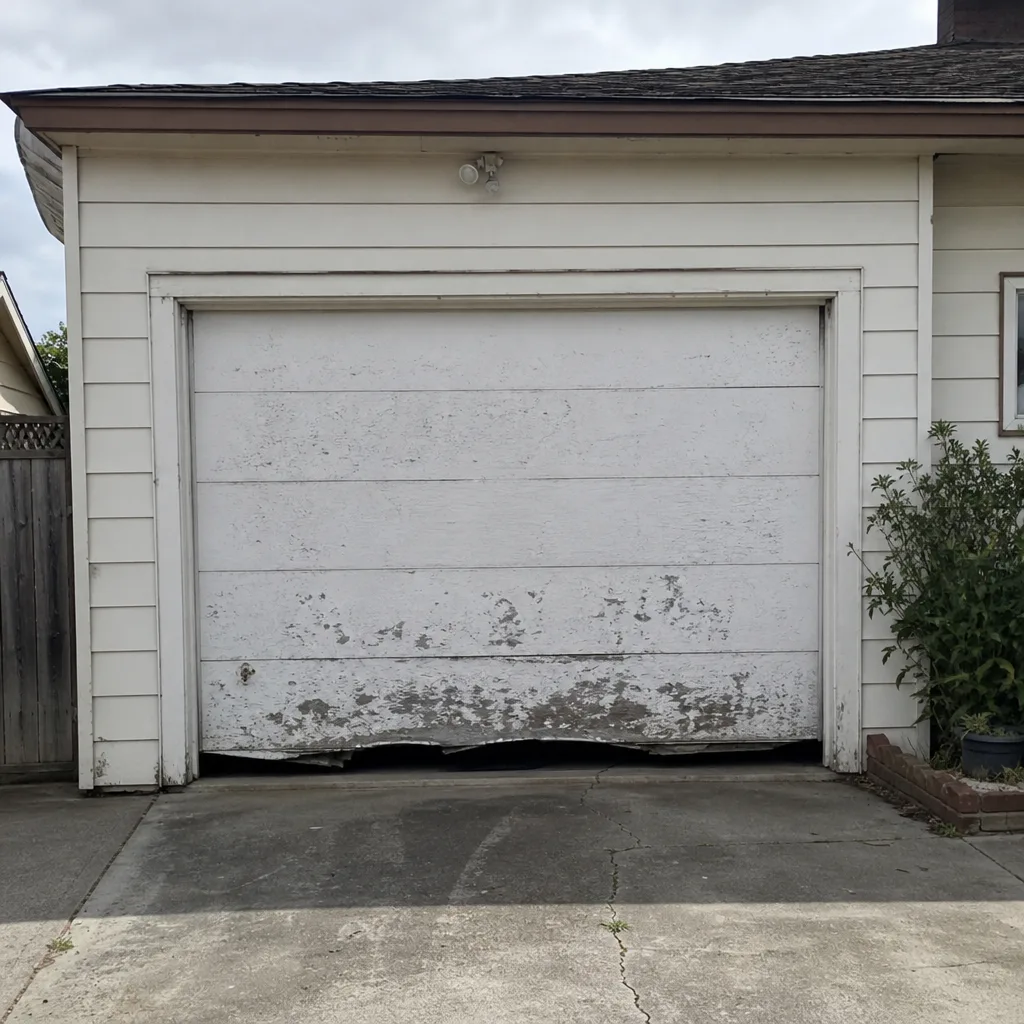 Before
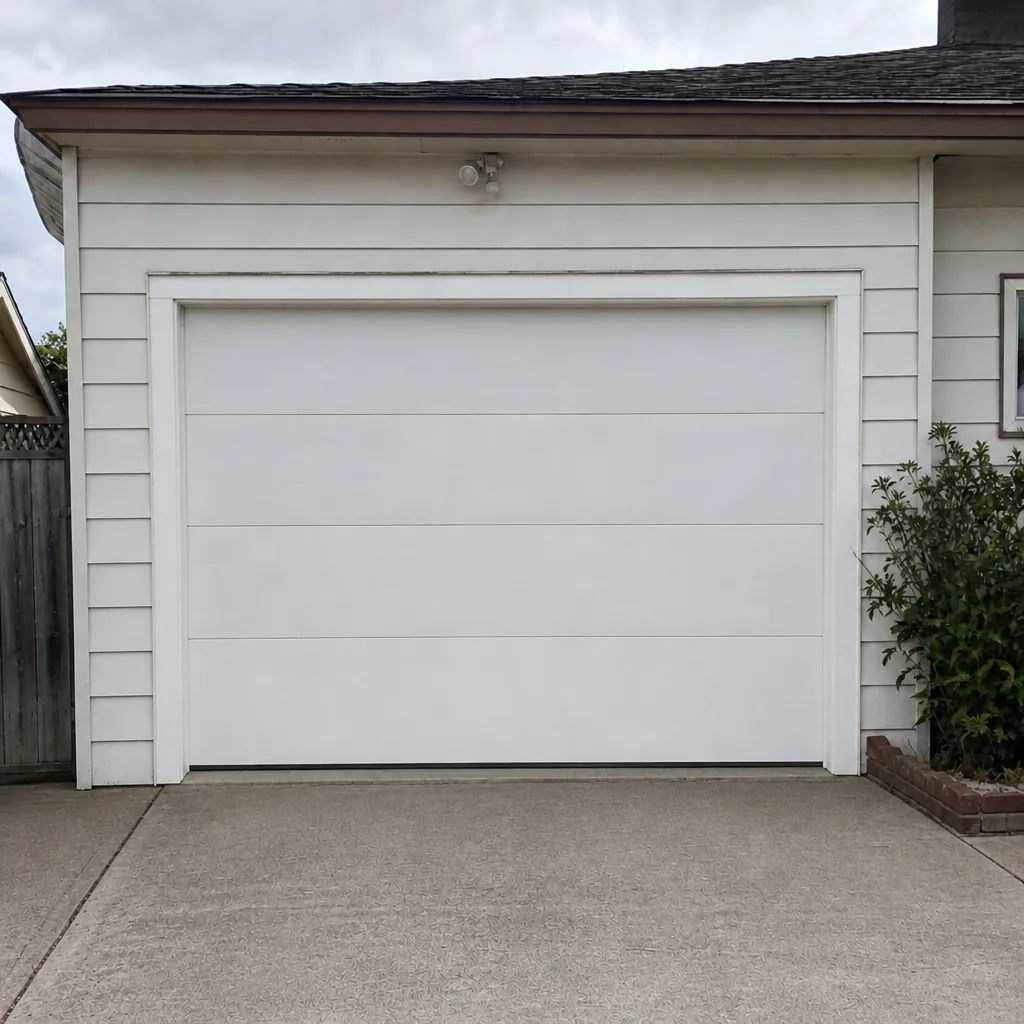 After
When to Call a Professional
Some checks are yours. A few are not. Call a professional when the door drifts during the balance test, when you see a frayed or broken cable, when the door won’t reverse during the auto-reverse test, or when it comes off its track. Get help if a panel is bent, if the door is visibly sagging, or if a spring has broken (you’ll usually hear it). Persistent water intrusion after a seal replacement, an opener that won’t recalibrate, and any job that requires getting into the torsion assembly are all reasons to call.
Trailhead Garage Door Repair offers free estimates in Vallejo. Call (855) 339-8305 and we’ll get you a straight diagnosis and a written price before any work starts. We answer 24/7, with fast dispatch from 7am to 7pm, Sunday through Friday.
Frequently Asked Questions
A garage door here needs a focused service at least twice a year, timed to the local climate: a seal and balance check before the rains in October, and a hardware and corrosion service during the fog months from February through April. Add a monthly five-minute check covering the auto-reverse test and sensor alignment. That schedule matches Vallejo’s actual stress periods better than a generic quarterly routine. Call (855) 339-8305 to schedule a service; estimates are free.
Late September into early October is the right window. That’s after the dry heat has hardened seals through summer and before the first significant rains arrive. Testing in October lets you replace brittle seals while conditions are dry, so the door is tight before the wet season. Waiting until water appears mid-winter means dealing with it after the leak has already started. If your seals fail the dollar-bill or flashlight test, call (855) 339-8305 for a free estimate.
Opener sensitivity drifts with temperature. The force settings and safety-reverse system respond to how much resistance the door puts up, and that resistance changes as the door and its hardware expand and contract with heat and cold. An opener that reverses on a hot afternoon or hesitates on a cool morning is usually out of calibration, not broken. Recalibration and sensor alignment fix the majority of these cases. Call (855) 339-8305 and we’ll check the drive system and the door together.
Yes. Moisture in the air during Vallejo’s fog season settles on metal and stays there, and it does the most damage at pivot points where two surfaces meet. Hinges and rollers corrode first, which makes the door harder to move and puts extra load on the opener. That’s why February through April is the right window for a hardware service: you catch corrosion while it’s still surface-level. Call (855) 339-8305 to have a technician check and lubricate the hardware.
No. Torsion springs and cables are under extreme tension and adjusting them without training is genuinely dangerous. You can safely run the manual-release balance test to see whether the door holds its position, but leave the correction to a technician. If your door drifts during that test, stop using the opener and have it checked. Call (855) 339-8305 for a free estimate on a spring and balance inspection.
Often, yes. Smart openers from brands like LiftMaster, Chamberlain, Genie and Craftsman still rely on physical force settings and sensor alignment, and those drift with temperature like any other unit. Expect to check and possibly recalibrate when seasons change, particularly at the peak of summer heat and the start of the cool, damp months. The app may report a fault while the real fix is a simple recalibration. Call (855) 339-8305 if your opener keeps losing its settings.
The Bottom Line
Vallejo’s garage doors don’t need a four-season maintenance plan. They need three well-timed checks and a monthly habit. Test and replace worn seals in October before the rains. Service hardware during the fog months from February through April. Check spring balance and recalibrate the opener as the dry heat peaks in late summer. Add a five-minute monthly walk-around that covers the auto-reverse test and sensor alignment. Do that, and you’ll catch the wear that actually happens here before it becomes a repair. When a check turns up something beyond a visual inspection, get a professional involved and get a written price before work begins.
Trailhead Garage Door Repair handles garage door repair, opener repair and new installations across Vallejo with the same focused team. Call (855) 339-8305 for a free estimate. We answer 24/7, with fast dispatch from 7am to 7pm, Sunday through Friday.
Written by the team at Trailhead Garage Door Repair.