
Last updated November 15, 2026
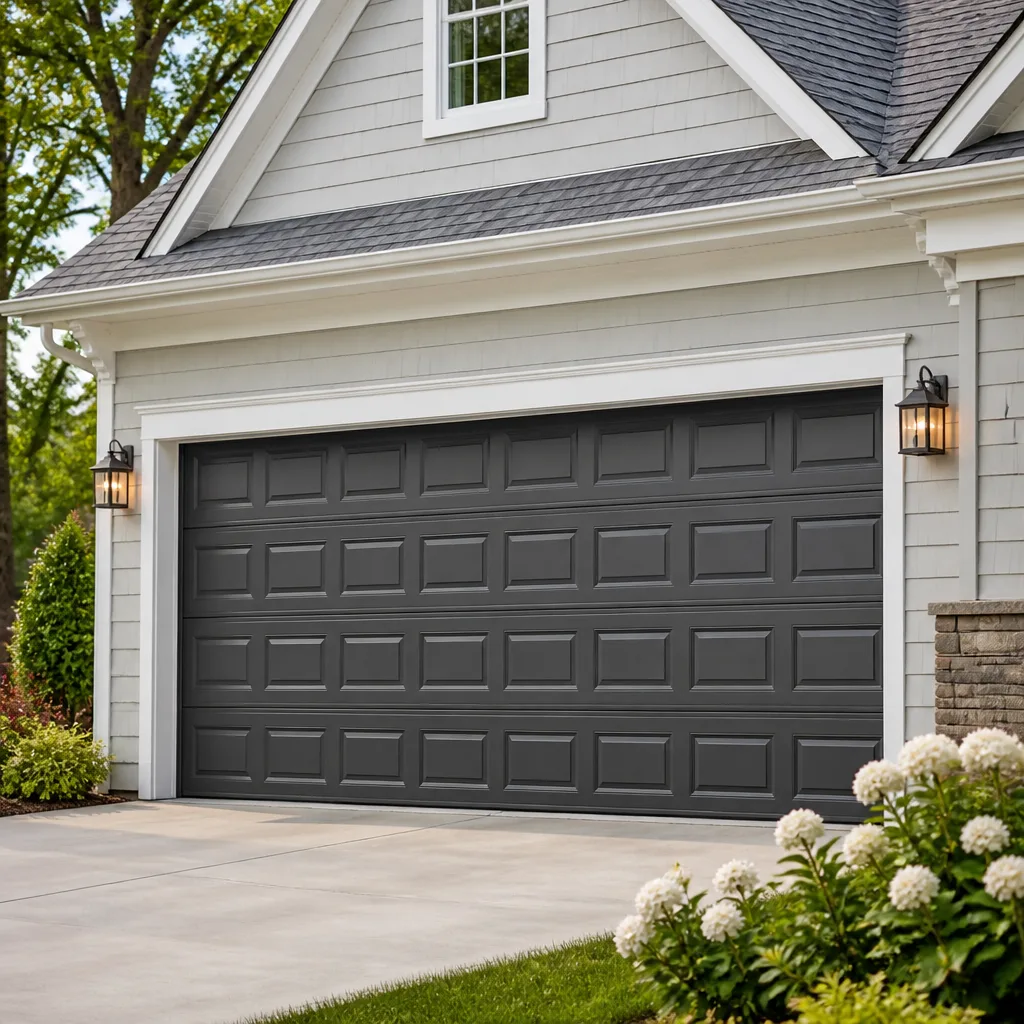 Raised-panel steel
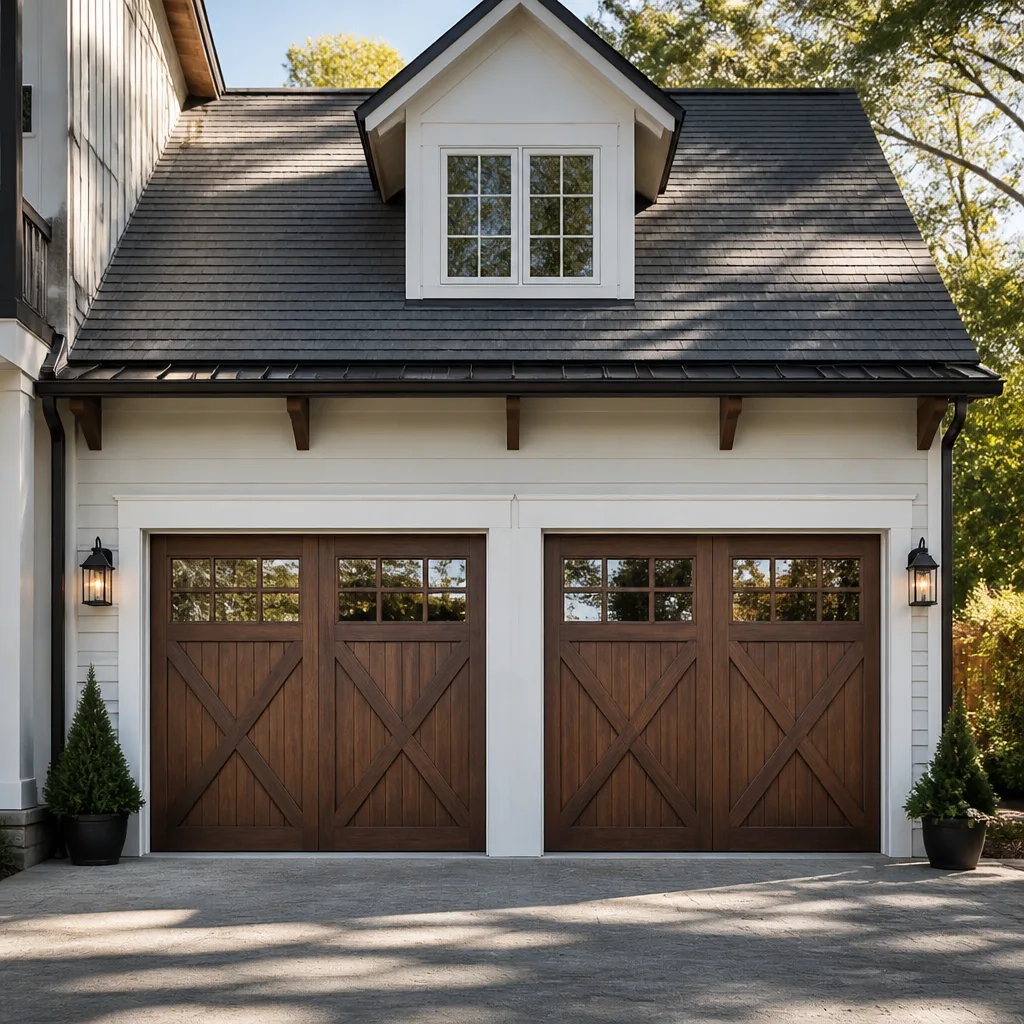 Carriage house
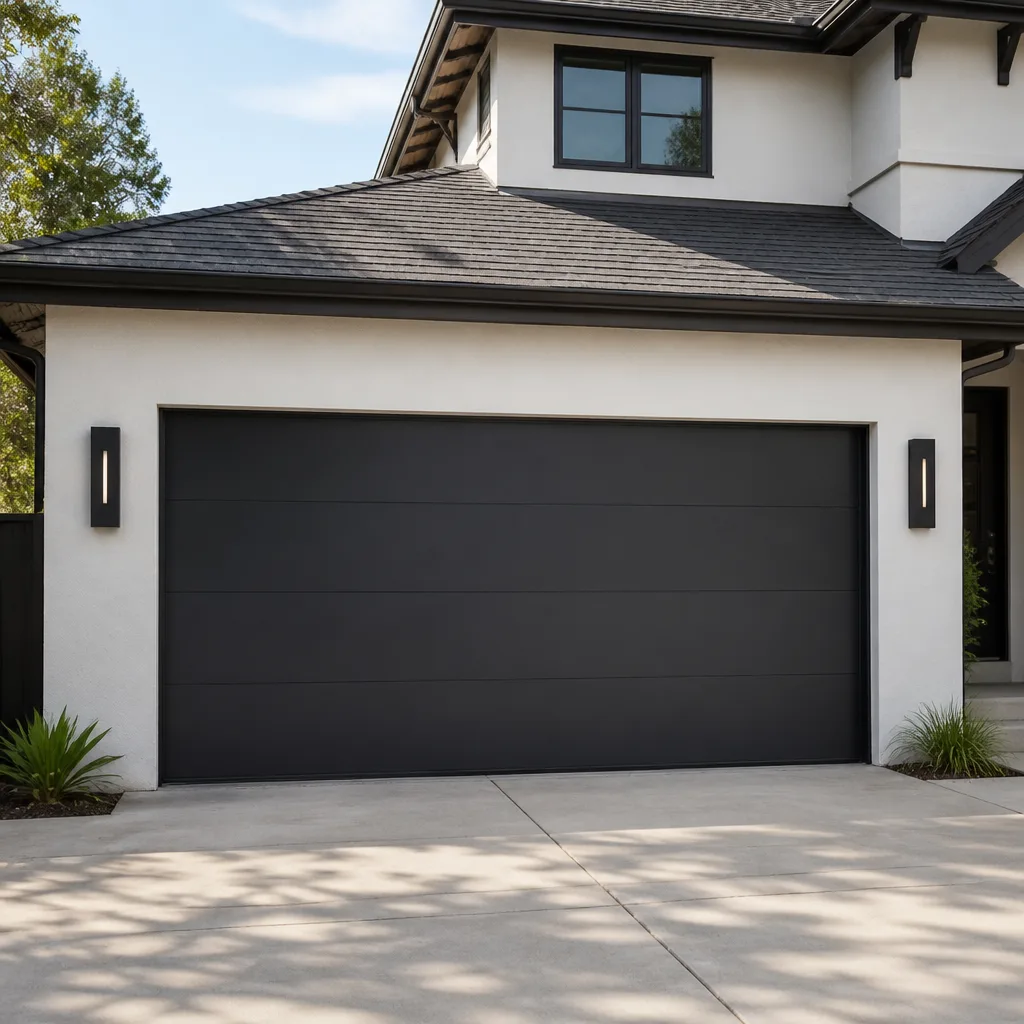 Modern flush
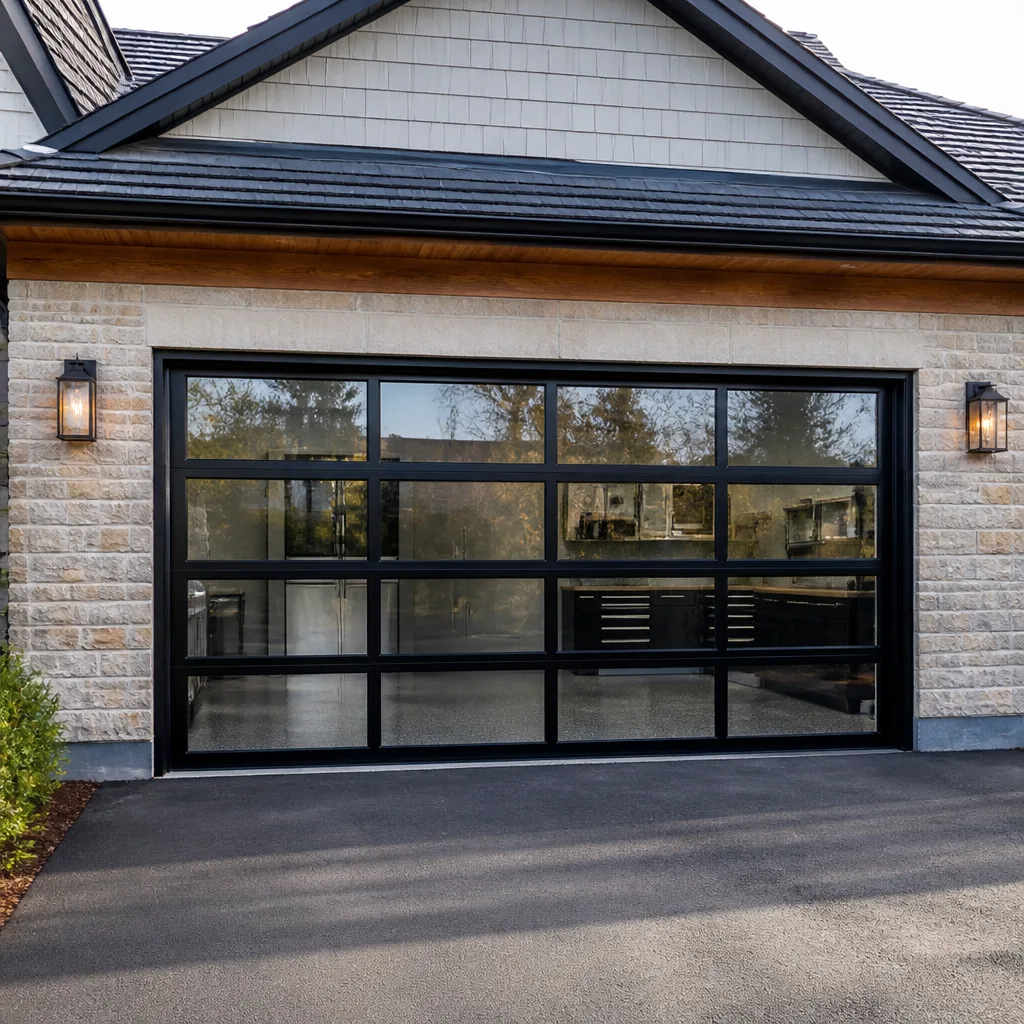 Full-view glass
 LiftMaster openers
 Chamberlain openers
Full 25-point door and opener safety check with every visit - springs, cables, rollers, tracks, and your LiftMaster or Chamberlain opener included
You get a price before we start. It does not change when the pro arrives.
Get your free estimateGarage Door Permits, Codes & Inspections in Vallejo, CA: What You Need to Know
Most homeowners assume the permit line runs between big jobs and small ones. It doesn’t. In Vallejo, the line runs between structural change and in-kind replacement. Swapping a tired door for a new one of the same size and weight class is a homeowner’s call. Widen the opening by two inches and you’ve crossed into permit territory, complete with plan review and inspection. That distinction matters more than most people realize, because unpermitted garage door work has a habit of surfacing on a title search years later, usually at the worst possible moment. This guide draws the line clearly using Vallejo’s own municipal code rather than California’s general building code, and it walks through what a permitted project actually looks like from application to final inspection.
Quick Answer
In Vallejo, a garage door replacement that keeps the same opening size, header, and weight class generally does not require a building permit. A new installation where no door existed, or any change to the opening’s width, height, or structural framing, does require a permit and inspection. Homes in planned communities like Hiddenbrooke may also need separate architectural approval from their HOA, which runs on its own timeline and doesn’t substitute for a city permit. When in doubt, call the city’s building department and describe the project in plain terms before you order anything.
Styles & brands we work with
- Raised-panel steel
- Carriage house
- Modern flush
- Full-view glass
- LiftMaster openers
- Chamberlain openers
Table of Contents
- The In-Kind Replacement Rule in Vallejo
- When Structural Changes Trigger a Permit
- What Vallejo’s Municipal Code Actually Governs
- HOA Overlays: Hiddenbrooke and Similar Communities
- Unpermitted Work From a Previous Owner
- The Inspection Process, Step by Step
- How Vallejo’s Climate Shapes Garage Door Lifespan
- Common Mistakes to Avoid
The In-Kind Replacement Rule in Vallejo
An in-kind replacement means the new door matches the old one in the ways the building code cares about: the same rough opening, the same header height, the same weight class, and no changes to the framing or the wall structure around it. Same footprint, same load path, no new structural demand. When those conditions hold, Vallejo treats the work as a repair or maintenance item rather than an alteration, and no building permit is required.
What qualifies as in-kind replacement:
- Removing a sectional door and installing a new one into the existing opening
- Swapping a single door for another single of the same nominal size
- Replacing torsion springs, cables, rollers, hinges, or tracks on an existing door
- Changing the opener on a door that already had one
- Upgrading door material (steel to wood-look steel, for instance) at the same weight class and same opening size
What disqualifies a project from the exemption:
- Any change to the opening width or height, even a couple of inches
- Converting a solid wall section into a garage door opening
- Replacing a header, adding a beam, or altering the framing above the door
- Changing the door’s weight class in a way that calls for new spring or track engineering
- Converting a carport or an enclosed space into a permitted garage bay
That last point about weight class trips people up. A door that moves from a light steel panel to a solid wood carriage style can weigh substantially more, and the spring and track system that supported the old door wasn’t engineered for it. If you’re switching to a heavier door, the honest conversation is about whether the existing framing and spring geometry can carry the new load. Often the answer is yes with new springs and reinforced track. Sometimes it’s a permit. Sorting that out before the door is ordered saves a lot of pain.
Our technicians spend their working lives on this exact question, and we’ve seen plenty of Vallejo jobs where the honest answer was “this one needs the city involved.” If you want a straight assessment of your own door’s system, our garage door repair team can look at the framing, springs, and track and tell you what category your project falls into. For a closer look at how we approach Vallejo homes specifically, that page lays out the local picture.
When Structural Changes Trigger a Permit
Any time the work touches the building’s structure, Vallejo’s building department wants to see it. That means a permit application, drawings showing the new opening and the framing around it, plan review, and at least one inspection. There’s no shortcut and no exception for a small change, because a two-inch widening still cuts into the wall’s load path and still calls for a header sized to the new span.
Projects that land in this category:
- Widening or heightening an existing opening. Even two inches moves the framing. A structural permit and inspection are required.
- Cutting a new opening where there wasn’t one. This is a new installation, and it involves header design, foundation consideration, and engineering review.
- Replacing or modifying the header above an existing door. Header work is structural work, full stop.
- Converting a carport into an enclosed garage. Structural, electrical, and sometimes planning review all come into play.
- Changing the door type in a way that requires new structural support. A heavier door on undersized framing is a structural change even when the opening stays the same.
The permit pathways usually look like this: for a structural alteration to the opening, you submit drawings to the city’s building division, get a plan review, pay the permit fee, and schedule an inspection when the work is done. For a new garage door in a new opening, expect the same process plus additional detailing on the framing and the header.
Permit fees are set by the city and vary with project valuation. We don’t quote them, and we don’t tell you what they’ll be – the building department gives you the number. What we can say is that the fee is a small fraction of the cost of discovering unpermitted structural work at resale.
One more piece that comes up with new openings: egress and clearance. Garage doors are not the primary egress from a home, but the doorway between the garage and the house often is, and the door between them has its own requirements in the state code. New installations almost always touch that intersection and should be reviewed with the building department early.
What Vallejo’s Municipal Code Actually Governs
Vallejo’s approach to garage doors is layered. The city’s municipal code sets the local administrative requirements – when a building permit is required, how it gets filed, who inspects, how fees are set. The technical construction standards come from the California Building Code and the California Residential Code, which the city adopts by reference. That’s why you’ll see homeowners quoting state code sections online while the actual answer depends on how Vallejo applies them locally. The city’s building department is where those two layers meet.
A few practical realities of that layering:
- Construction standards: the state code governs door load, anchorage, header design, and the safety features required on automatic openers. Those don’t change from city to city.
- Administrative process: Vallejo’s municipal code sets the permit application, review path, inspection scheduling, and fee schedule. This is where the local specifics live.
- Zoning overlay: properties in certain districts have additional requirements about where a garage door can face, setbacks from the property line, and design review. This is a planning question, not a building question, and it comes up most often in hillside neighborhoods and in older parts of the city where lots are tight.
- Historic considerations: some homes in older parts of Vallejo sit in areas where exterior alterations of any kind get additional review. If your home is in one of those areas, ask the planning department before you order a door.
For an in-kind replacement, the only code puzzle that matters is the safety equipment on the opener. Since 1993, automatic openers in California have been required to have an entrapment protection feature – either a photoelectric eye, an edge sensor, or both, depending on the opener. If your garage was last updated in the 1980s and you’re finally replacing the opener, the new one must comply. A trained technician who knows the requirements, and who knows the brand of your existing opener, gets this right the first time; a generalist often doesn’t.
We work on eight brands of doors and openers – LiftMaster, Chamberlain, Genie, Clopay, Amarr, Wayne Dalton, Craftsman, and Raynor – which covers the vast majority of what’s already hanging in Vallejo garages. When we walk into a job, the first thing we do is identify what’s there and how it was installed. If a code question comes up, we answer it from the same standards the city applies, not from guesswork.
HOA Overlays: Hiddenbrooke and Similar Communities
Homeowners in Hiddenbrooke and other planned communities in Vallejo quickly discover a second layer of approval that has nothing to do with the city. HOAs have architectural review requirements – the color and style of your door, sometimes the material, sometimes the panel design. And the timeline is different. City building permits can move through in a matter of weeks; HOA architectural approval often runs longer and depends entirely on when the committee meets.
What HOA architectural review usually covers:
- Door style and panel design (raised-panel, carriage, flush)
- Color (many HOAs maintain an approved palette)
- Window configurations and placement
- Material and finish
- Whether the door faces the street or an alley
The critical point most homeowners miss: an HOA approval is not a substitute for a city permit, and a city permit does not override your HOA. If your project touches the opening structure, you need both. The clean order is to check with the HOA first, because if the committee wants a specific door style, you’d rather know that before you order a custom door to a different spec.
We’ve worked with homeowners in Hiddenbrooke and similar Vallejo communities on the door side. We don’t submit HOA applications for you – that’s a homeowner and HOA conversation – but we can tell you exactly what measurements and details your HOA application will need, and we’ll happily hold off on the order until you have approval in hand. That small delay beats the alternative of installing a door the committee then asks you to remove.
Unpermitted Work From a Previous Owner
When a garage door project from years ago was done without a permit, the paper trail doesn’t correct itself. It surfaces at resale. A title search or a buyer’s insurance underwriting pulls the permit history, sees work that was done without one, and the transaction stalls while everyone figures out what to do.
What usually surfaces, in our experience:
- A permit record that shows no permit for work that clearly happened. The buyer’s inspector notices new framing or a door installed where the city record says the opening was smaller. That mismatch triggers questions.
- A door installed into an opening different from what the city approved. The permit exists but the final inspection didn’t happen or the work deviated. Either way, the record is incomplete.
- An opener installed without a compliant entrapment system. This one shows up on a home inspection report, and it’s the easiest to correct.
- A garage conversion that was never permitted. The property record says two-car garage; the property has a conversion. That’s a planning issue and can be the most expensive surprise of all.
Remediation for these usually means pulling a permit retroactively, completing the work to code if it doesn’t already meet it, and passing the inspection. Sometimes that’s a paperwork exercise. Sometimes the honest answer is that the framing needs correction first, and the door comes back off. What we do is give you an assessment of the physical state of the door and opening, tell you what a permitted version of the work would involve, and coordinate with a licensed contractor for anything structural.
If you’re buying a home in Vallejo with a garage door that looks newer than the rest of the house, that’s a question worth asking before closing. If you already own a home with unpermitted work, the earlier you check, the cheaper the correction.
The Inspection Process, Step by Step
For a permitted garage door project in Vallejo, the city sets the inspection sequence. The permit holder – typically the contractor or, on an owner-builder project, the homeowner – schedules the inspection after the work is complete.
- Permit application. You or your contractor files with the city’s building division. For structural work, that includes drawings showing the opening, the header, and the framing.
- Plan review. The city reviews the drawings. Turnaround runs from a few days to a few weeks depending on the current workload and how complete the submittal is.
- Permit issuance. Fees are paid and the permit posts. Work can begin.
- Construction. The door, framing, springs, and opener are installed to the approved plans.
- Inspection. The inspector examines the framing, header, anchorage, and the door’s operation. For a door only, it’s usually a single inspection. For structural work, expect at least a framing inspection and a final inspection.
- Final sign-off. The permit closes. That signature is the document that keeps the work from becoming a resale problem.
Turnaround times depend on the city’s current workload and the specifics of your project. The building department is the authority on that, not us. What we can do is make sure the physical work is done in a way that will pass. Our technicians have up to 11 years of experience, and much of that experience is the simple discipline of installing to code so the inspector’s visit is short and uneventful.
For a door replacement with no structural change, there’s no inspection because there’s no permit. That’s the majority of what we do in Vallejo. When the project does need a permit, we coordinate with you on the schedule so the inspection lands at the right point in the sequence.
How Vallejo’s Climate Shapes Garage Door Lifespan
Vallejo’s climate is genuinely mild – hot, dry summers and wet, cool winters, without the freeze-thaw cycles or heavy snow that dominate other parts of the country. That’s a quiet advantage for garage doors. Springs aren’t fighting wide temperature swings, panels don’t experience freeze failures, and the framing stays relatively stable year to year. Doors in this climate routinely outlast their manufacturer’s expected cycle counts.
The local wear pattern looks different from a colder climate:
- Summer heat cycles work the opener motor and the torsion springs. Springs in a hot garage go through more cycles per day than springs in a cold one, and cycle count is what eventually wears them out.
- Winter moisture is mild, but the wet season still stresses painted steel and wood at panel seams. Flaking paint or a dull finish on a steel door usually starts there.
- Dust and pollen find their way onto the track and rollers, which is why a track clean and a light lube goes a long way in Vallejo.
- The dry months pull moisture out of wood doors, which is when you’d see a small gap or a panel start to cup. Same-frame in-kind replacement is the standard remedy.
The mild climate also means a homeowner in Vallejo often gets more years out of a door before replacement, which changes the permit math. When you finally do replace, an in-kind swap is more likely to be the right call because the framing and opening are still in good shape. If you’re uncertain whether a door is at end of life or just needs a fresh set of springs, our garage door opener repair team can give you the honest read on both the opener and the door. For the overview of everything we do, our Trailhead Garage Door Repair home page is a useful starting point.
A quieter climate doesn’t mean a door is safe to ignore. The heavy spring under tension is the same in Vallejo as anywhere else, and it deserves the same respect. We handle spring and cable work for the simple reason that these components are under tension strong enough to cause serious injury if they’re released without the right tools and technique. That’s a job for a trained technician, not a weekend project.
Do You Need a Permit? A Decision Checklist
Before you order a new door or schedule an install, run these questions in order. The first “yes” moves you into the permit column, and it’s worth being honest with yourself about the answers rather than assuming.
- Does the new door fit the existing opening exactly? If yes, continue. If no, you need a permit.
- Is the door’s weight class the same as the old one? Same weight, continue. Heavier, continue with caution – the framing and springs may need engineering.
- Is the header and surrounding framing staying exactly as it is? If yes, continue. If any framing changes, you need a permit.
- Is the garage door opening already there, with a door in it? If yes, continue. If you’re cutting a new opening, you need a permit.
- Does your HOA have architectural review? If yes, plan for that approval in parallel. It’s separate from the city permit.
- Do you have a permit history for this address? If there’s unpermitted garage work in the record, address it before your project compounds the problem.
If you answered “same size, same weight, same framing, existing opening” all the way down, you’re in the in-kind exemption and you can order the door. Anything else, call the building department first. For a homeowner who’d rather not guess at their own weight class, our team can check your existing door’s spec and tell you whether the replacement you have in mind stays in exemption territory. That’s a quick visit and it avoids the worst outcome, which is discovering the mismatch after the door is hung.
Why Brand Knowledge Matters for Code Compliance
Every major opener brand has its own entrapment protection design and its own part numbers, and every door brand has its own panel geometry and weight class documentation. If you or your contractor are installing to code, you need to know the brand’s specifics before you touch the system. Generic installation advice is how a job ends up non-compliant.
We work on eight brands specifically:
- LiftMaster and Chamberlain – the same family of openers with different model lines
- Genie – its own protection systems and drive designs
- Craftsman – the older model lines that ran through Sears and remain very common in Vallejo
- Clopay and Amarr – steel and carriage doors with published weight data
- Wayne Dalton and Raynor – doors with their own panel systems and hardware specs
When we show up, we already know the brand. We know the compliant protection systems, we know the spring geometry each door style calls for, and we know which models are old enough to be candidates for upgrade rather than repair. That saves the back-and-forth of “let me figure out what you’ve got.”
If you’re not sure what you have, that’s fine. Send a photo of the opener’s label. We’ll tell you the brand, the model family, and whether it’s due for replacement, repair, or no action at all.
Common Mistakes to Avoid
- Assuming big job equals permit. A full door replacement is often exempt, while a two-inch widening isn’t. The size of the project has nothing to do with it. Structural change is what triggers a permit, and it’s the only thing.
- Assuming an HOA approval covers the city. They’re separate approvals with separate timelines. In Hiddenbrooke, an HOA “yes” doesn’t get you out of a building permit if the work is structural, and a city permit doesn’t make your door magically HOA-compliant.
- Ordering a door before the HOA gives its answer. HOAs can ask for a specific style or color. Ordering a custom door ahead of their review is how a homeowner ends up paying for a door they can’t install.
- Changing the door weight without re-engineering the springs. A heavier door on the original spring system may not balance and will wear the opener out fast. New springs are part of the project, not an optional extra.
- Ignoring a permit mismatch you inherited. Unpermitted work from a previous owner doesn’t go away with time. It surfaces on title searches and buyer inspections. Retrieving the record now is cheaper than doing it mid-transaction.
- Replacing the opener without checking the entrapment protection requirement. California has required compliant entrapment protection on automatic openers since 1993. A new opener installed without it fails the basic standard, even if the old unit “worked fine.”
- Skipping the inspection on permitted work. A permit with no final inspection is an open question on the property record. Get the sign-off; it’s what closes the permit and closes the loop for a future buyer.
See the difference
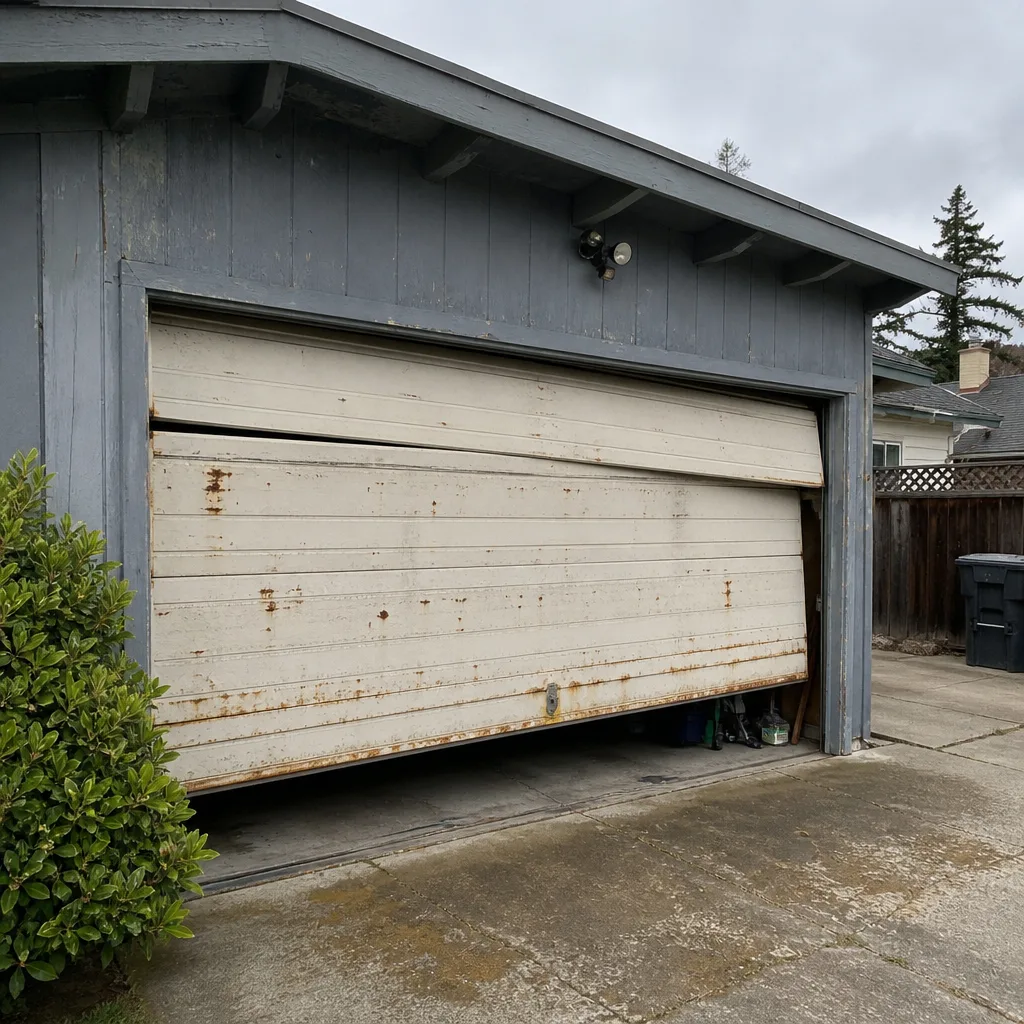 Before
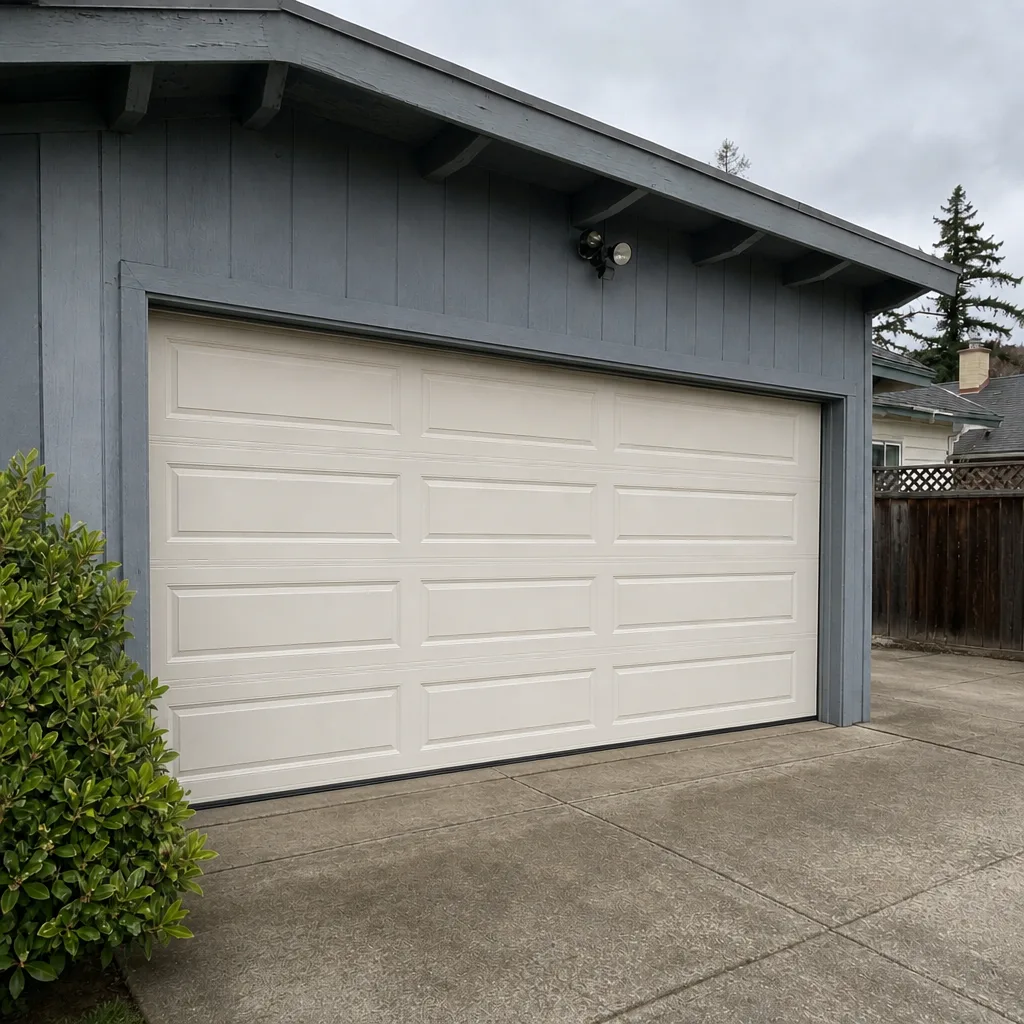 After
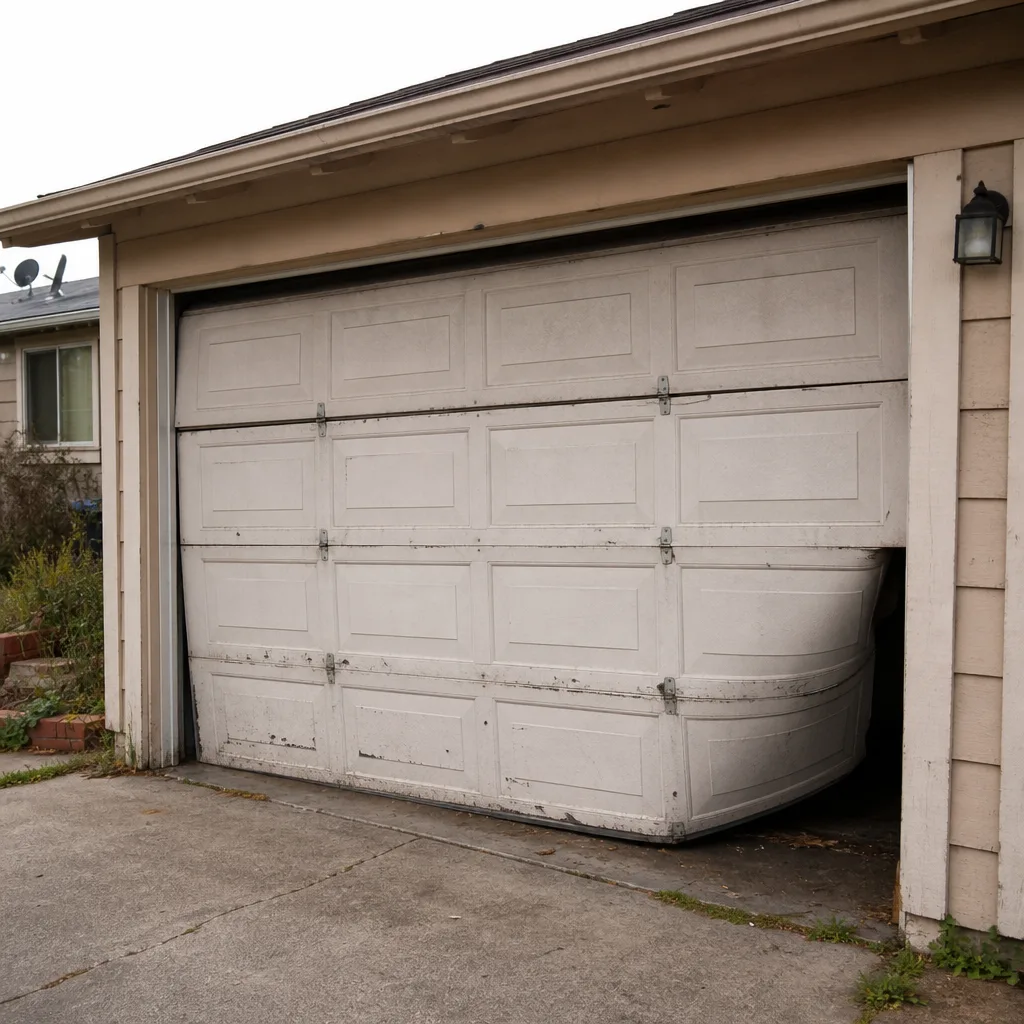 Before
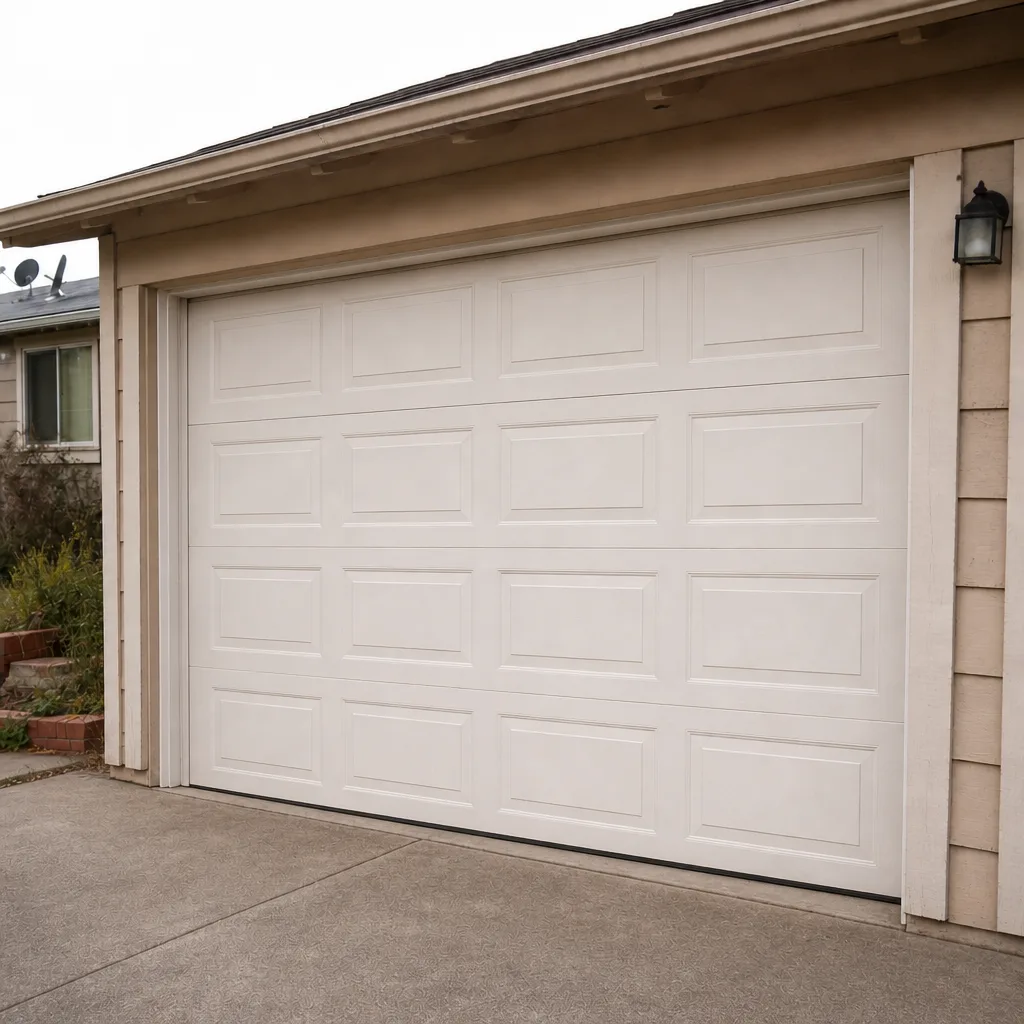 After
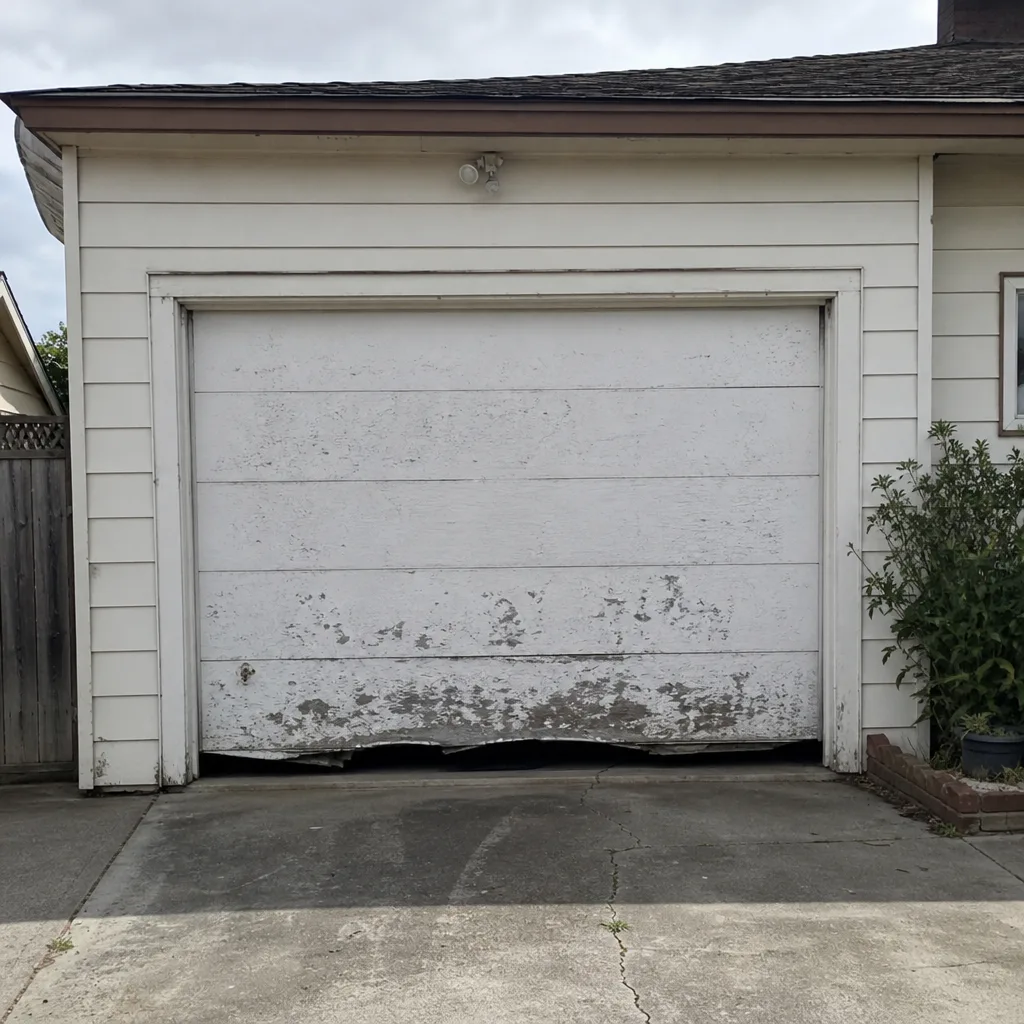 Before
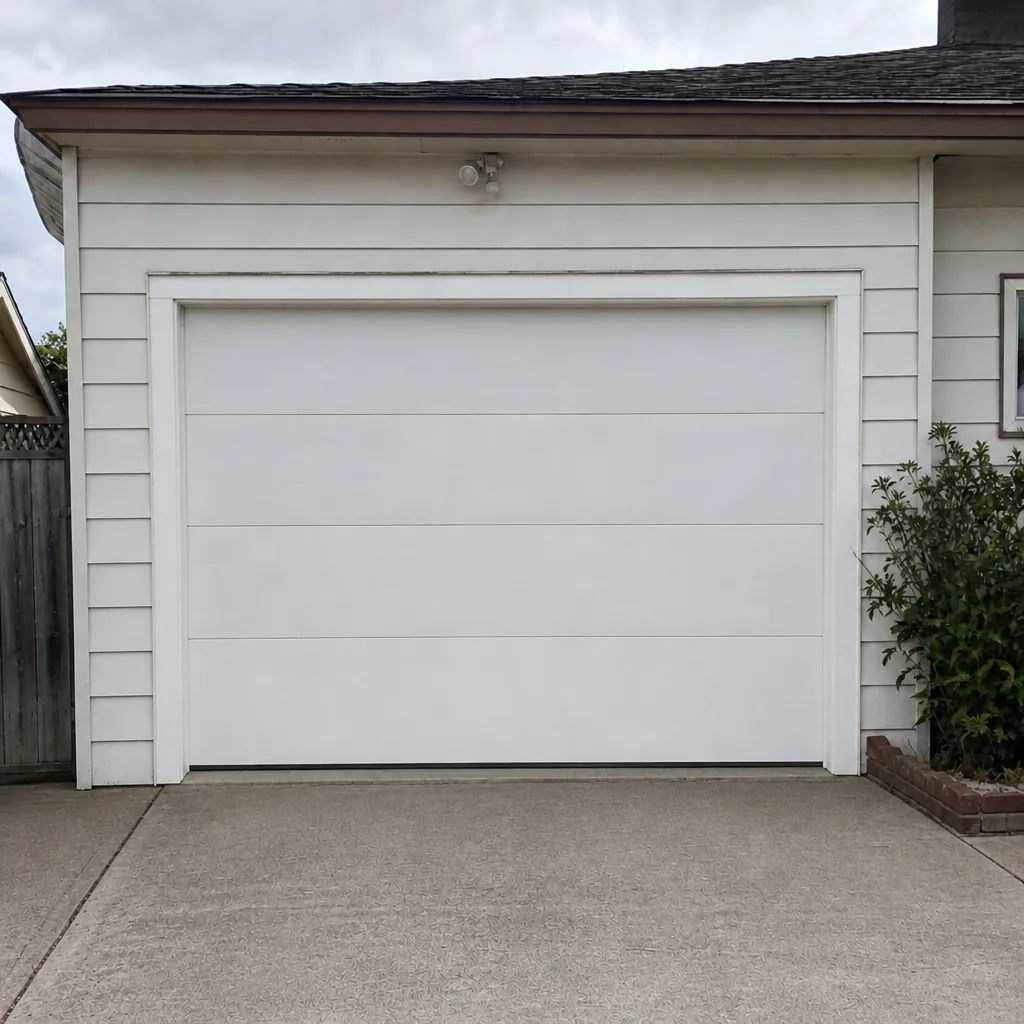 After
When to Call a Professional
Some garage door work is fine to handle on your own, and some isn’t. If you’re being honest with yourself about which is which, call us when the project involves any of these: a spring that has broken or is visibly worn, a cable that has come off its drum, a door that’s off-track or hanging crooked, an opener that trips the circuit breaker or reverses unexpectedly, a door you’re installing in a new opening, or a structural change to an existing opening. Those are all cases where the right diagnosis saves money and the wrong one costs a great deal more.
We handle the door itself, the opener, and the installation, working on the eight brands named above. Springs, cables, off-track corrections, opener diagnostics, smart opener connectivity, new installs: one focused team, one call. Our technicians have up to 11 years of experience, and we know what we’re looking at before we open the truck. Trailhead Garage Door Repair offers free estimates in Vallejo – call (855) 339-8305. We answer 24/7. Fast dispatch from 7am to 7pm, Sunday through Friday. The written estimate sets the price, and we agree on it before any work starts.
Frequently Asked Questions
In most cases, no. A garage door replacement that keeps the same opening size, the same header, and the same weight class is an in-kind replacement and doesn’t require a permit. If the project changes the opening’s size or touches the framing, a permit and inspection are required. The distinction is about structural change, not about how big the job feels. Call (855) 339-8305 for a free assessment of which category your project falls into.
An in-kind replacement matches the old door in the ways the building code cares about: same rough opening, same header height, same weight class, same framing. If any of those change, it’s a structural change and needs a permit. The clearest test is whether the wall around the door is being modified. If the wall stays, you’re likely exempt. If the wall changes, call the city’s building department and expect a permit.
Hiddenbrooke and other planned communities in Vallejo typically require architectural review through their HOA before a new garage door goes on. That approval runs separately from any city permit, and the HOA’s timeline is usually different from the city’s. Check with your HOA before ordering the door so you don’t wind up with a door the committee won’t approve. The city and the HOA are two separate approvals, and you may need both.
The unpermitted work stays on the property record until it’s corrected. It tends to surface during a home sale when a buyer’s inspector or title search pulls the permit history and finds work that doesn’t match the record. Remediation usually means filing a retroactive permit, correcting any non-compliant conditions, and passing the inspection. Sorting it out before the sale is far less expensive than discovering it mid-transaction.
The permit holder schedules the inspection. That’s usually the contractor, or the homeowner on an owner-builder project. The city sets the inspection sequence – often one inspection for a door-only project, two for structural work (framing and final). Turnaround time depends on the city’s current workload, so the building department is the right call for an exact date. Our job is to get the physical work to code so the inspection is uneventful.
It can. Insurers look at permit history and property records, and a door installed without a permit on structural work can raise questions at underwriting. If the work was genuinely in-kind, there’s usually nothing to correct. If it involved structural changes, having the permit and the final inspection on record removes the question. When in doubt, pull the permit history on your address and go from there.
The Bottom Line
In Vallejo, the permit question comes down to one line: structural change versus in-kind replacement. Same opening, same header, same weight class, no framing changes – no permit. Anything else, call the building department. Separate from that, planned communities like Hiddenbrooke add HOA architectural review that runs on its own timeline. And inherited unpermitted work from a previous owner surfaces at resale, so the earlier you check the record, the cheaper the correction. The door itself is rarely the hard part. Knowing which category your project falls into is, and that’s the question worth answering before you order a door. Our team works on springs, cables, tracks, openers, and new installations across the eight brands most common in Vallejo homes, and we’ve built our trade on getting the diagnosis right the first time.
Call (855) 339-8305 for a free estimate. We answer 24/7. Fast dispatch from 7am to 7pm, Sunday through Friday.
Written by the team at Trailhead Garage Door Repair.