
Last updated November 15, 2026
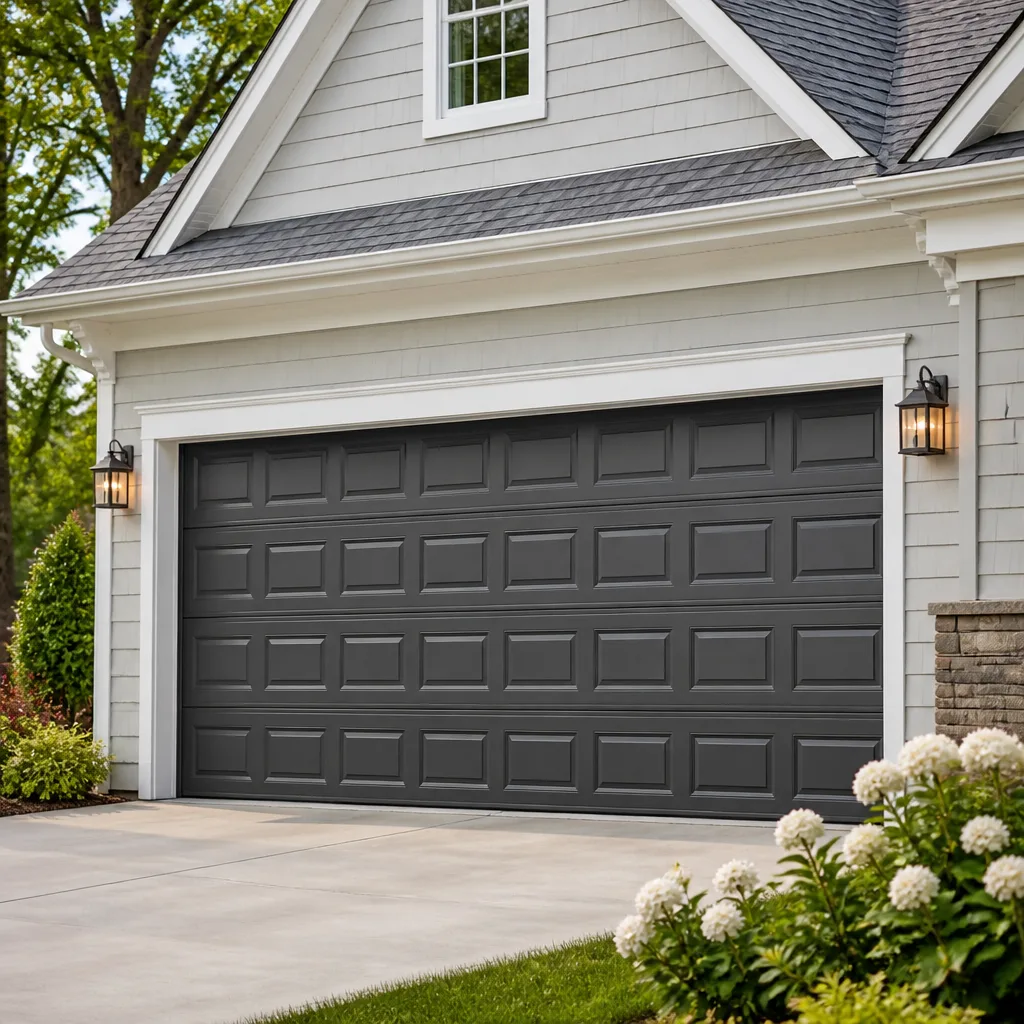 Raised-panel steel
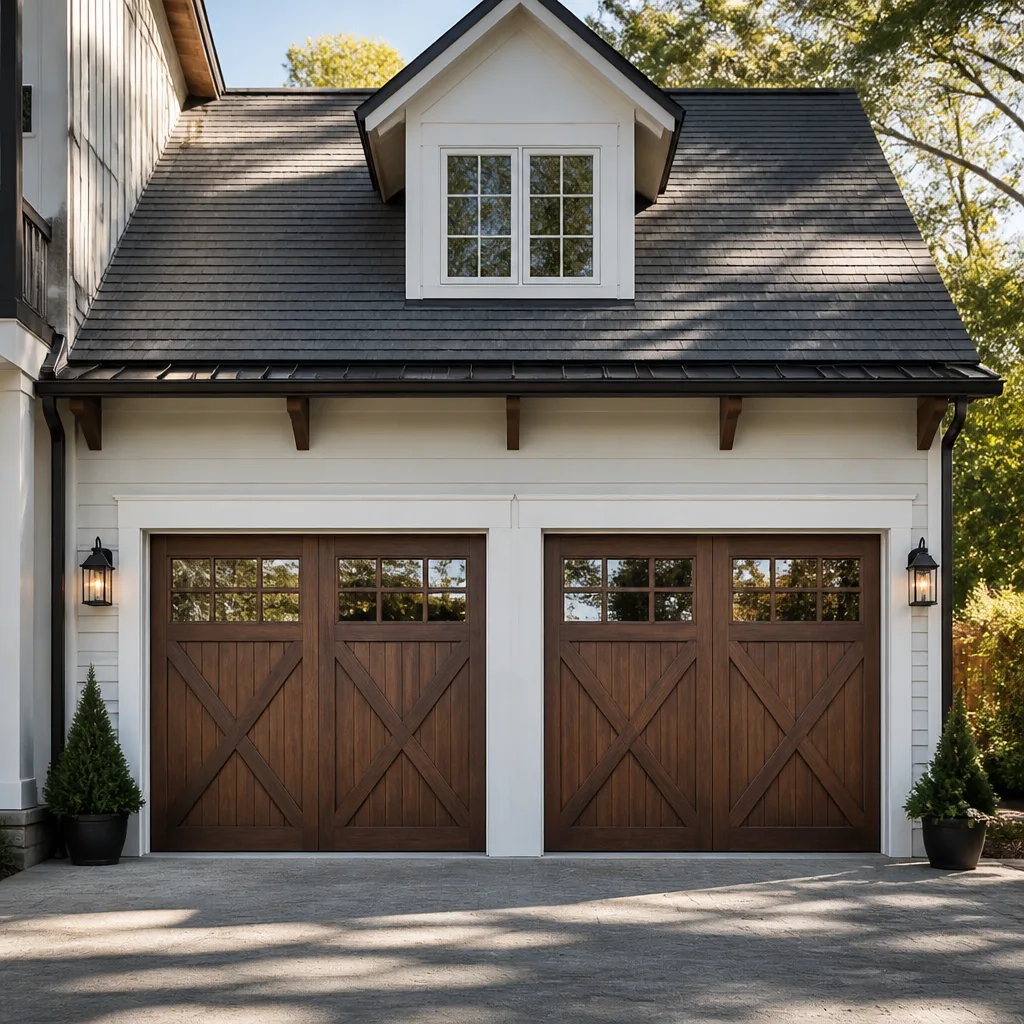 Carriage house
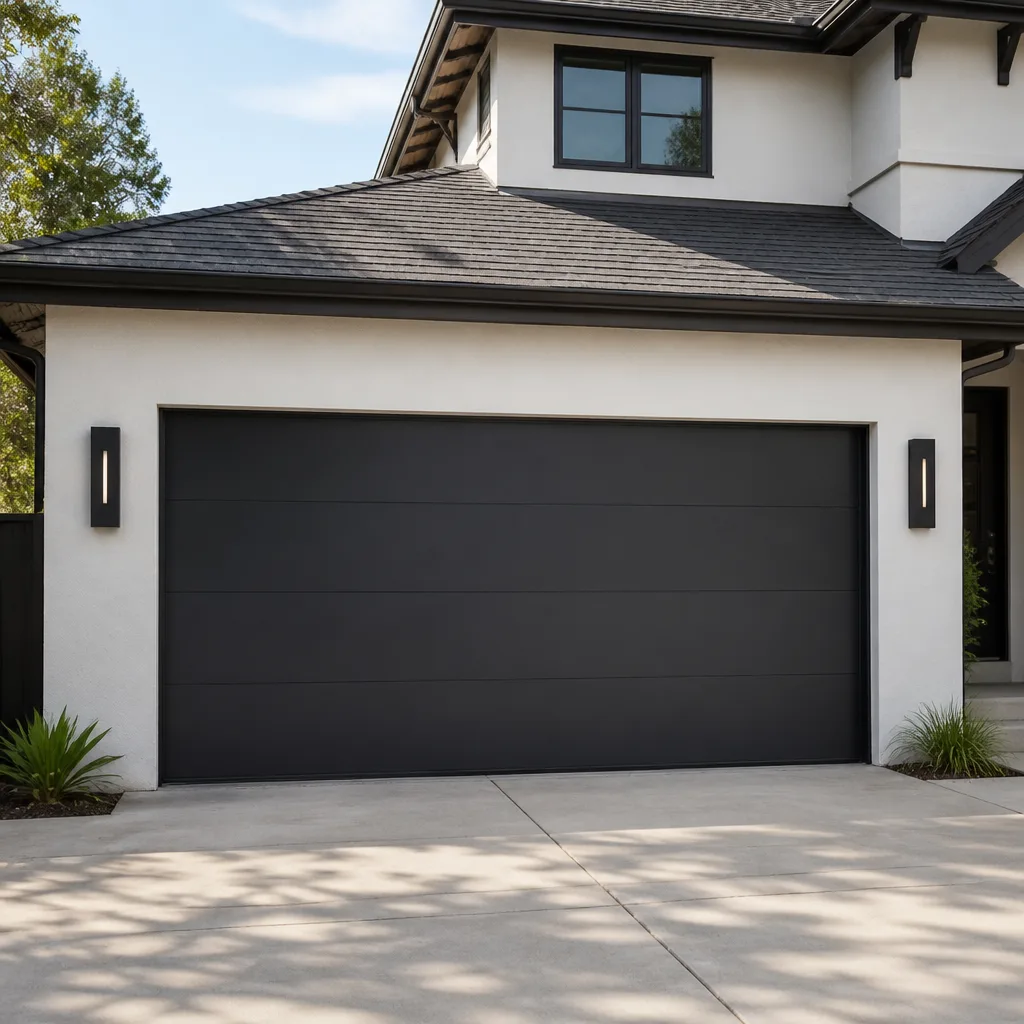 Modern flush
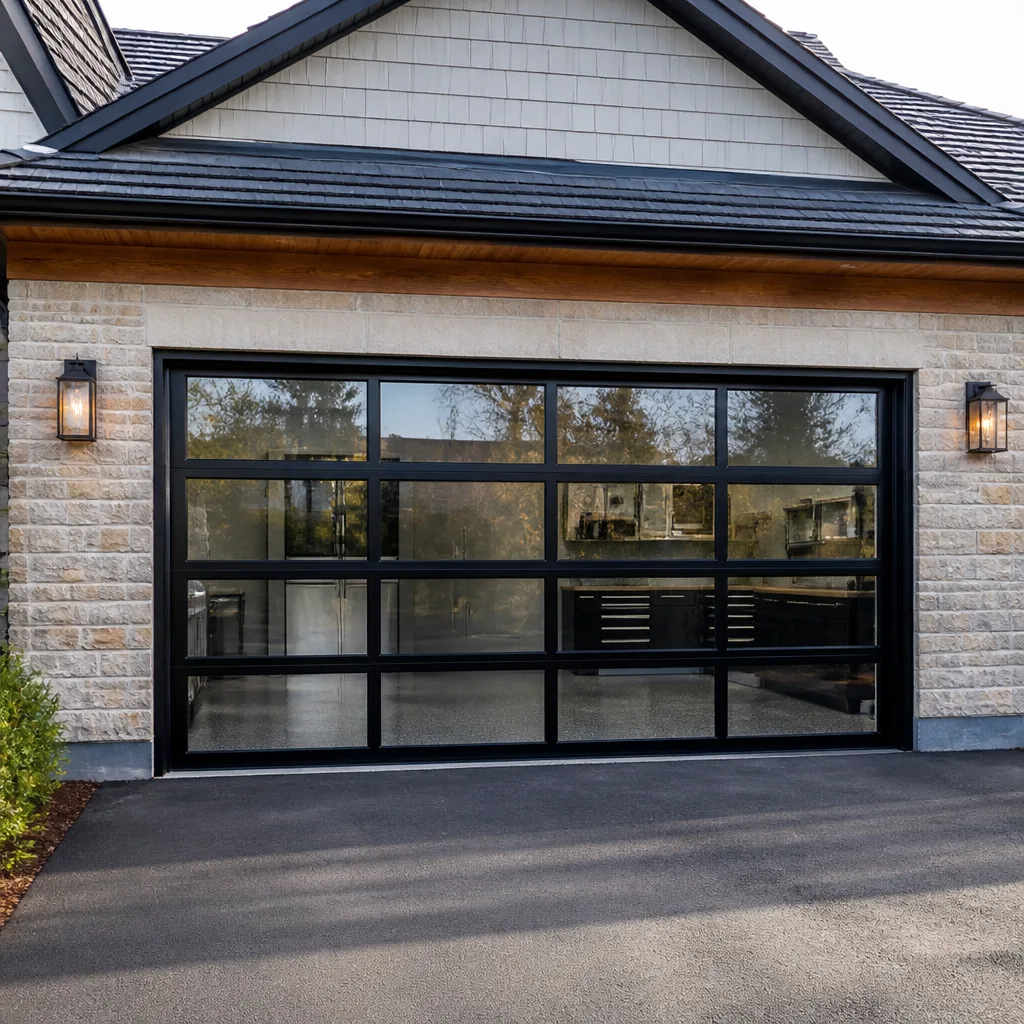 Full-view glass
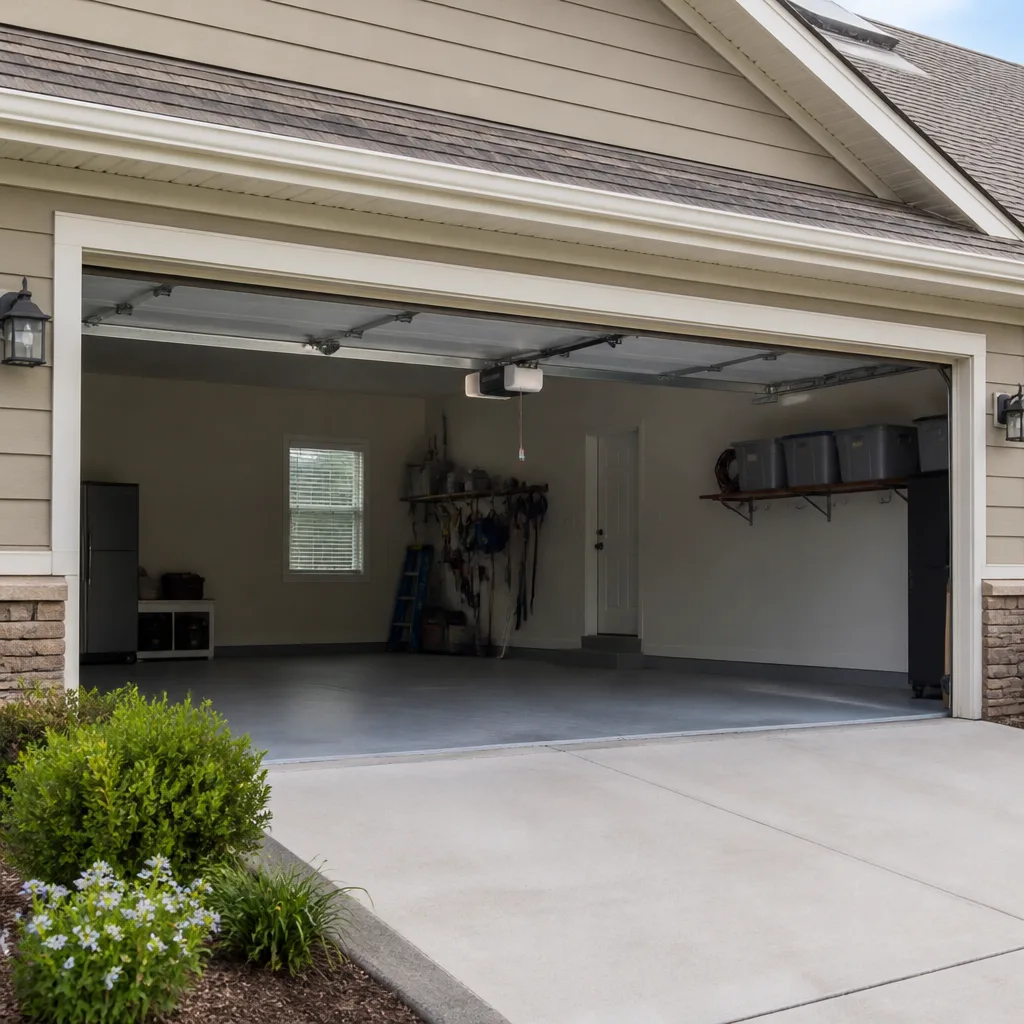 LiftMaster openers
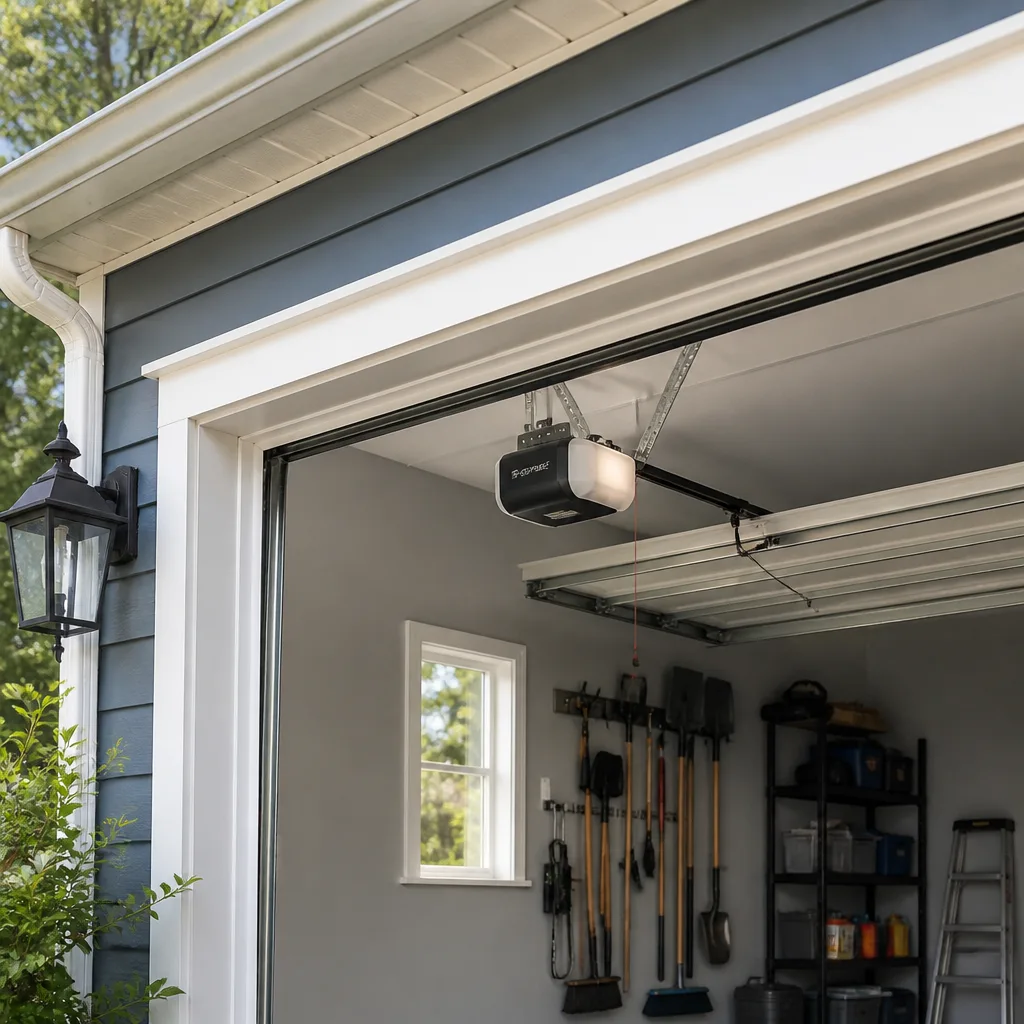 Chamberlain openers
Full 25-point door and opener safety check with every visit - springs, cables, rollers, tracks, and your LiftMaster or Chamberlain opener included
You get a price before we start. It does not change when the pro arrives.
Get your free estimateGarage Door Emergency Preparedness Guide for Vallejo Homes
Most garage door advice treats a dead opener as a hassle. In Vallejo, it can be an evacuation problem. During a PG&E public safety power shutoff, a closed garage door with no manual release training can keep a car inside when it needs to be on the road, and a smart opener that’s “working fine” is no help when the outlet has no power. Hillside neighborhoods here often have single-exit lots, and the region’s seismic activity adds a second layer most guides ignore. This guide covers the three things that actually matter when the power goes out or the ground moves: getting the door open manually, checking the whole system before you restart it, and knowing what to check if your opener predates the earthquake-disconnect rules. You’ll leave with a real checklist you can act on this week.
Quick Answer
Emergency garage door preparedness in Vallejo means three things: knowing how to disengage your specific opener’s manual release (the steps differ by rail type), keeping a battery backup unit that provides full-cycle operation rather than partial, and inspecting the door’s structural alignment before running the opener after an earthquake. If your opener was installed before California began requiring earthquake disconnects on new installations, that’s the first gap to close. Everything else in this guide builds on those three.
Styles & brands we work with
- Raised-panel steel
- Carriage house
- Modern flush
- Full-view glass
- LiftMaster openers
- Chamberlain openers
Table of Contents
- Operating the Manual Release When the Power Fails
- Seismic Sensor Requirements and the California Earthquake Disconnect Rule
- Battery Backup Openers and PSPS Events
- Single-Exit Lot Emergency Protocol
- Post-Earthquake Inspection Sequence
- What Vallejo Homeowners Actually Own
- Common Mistakes to Avoid
- When to Call a Professional
Operating the Manual Release When the Power Fails
The manual release is the single most important thing on this page. It’s also the part most homeowners get wrong, because the steps are not identical across rail types. The cord-and-handle pull works the same on nearly every residential opener. What differs is what happens at the rail. On most chain drive and belt drive units, the manual release disengages the trolley so the door can travel by hand, but on screw drive units the trolley behaves differently and the door can bind if the door is not fully closed before you pull. On a jackshaft or side-mount opener, the release works on a different mechanism entirely, and the door weight is often greater than a homeowner expects on the first pull.
Here’s the sequence that works for most overhead openers:
- Confirm the door is fully closed before you touch the release handle. This is the one rule that matters on every rail type.
- Pull the release cord straight down, firmly, once. Don’t jiggle it or pull at an angle.
- Lift the door by the bottom section only, keeping fingers out of the panel seams and away from the hinges.
- Prop the door fully open if the car needs to go out, and don’t leave it partially raised. A door that’s half-open on the release is at risk of coming down on someone.
- To re-engage, pull the door down to closed, then push the trolley back toward the opener until it clicks back into the carriage.
If the door won’t move by hand after the release, or feels heavier than you remember, stop. A garage door’s weight is carried by a spring system under high tension, and a door that fights you is telling you something is wrong with the spring or the cable. Don’t force it and don’t try to work on either. Those components are under extreme tension and cause serious injuries each year when someone unfamiliar with them attempts a repair. Call garage door repair instead; this is exactly the kind of diagnosis a trained technician does safely.
Note that Genie, LiftMaster, and Craftsman openers use different trolley geometries, but none of that changes the closed-door rule or the straight-down pull. What it does change is how the trolley re-engages after a power restore. If the door won’t reconnect after the lights come back on, the trolley is usually just offset from the carriage, which takes a minute to fix. If it still won’t reconnect after you’ve checked the alignment, the trolley is likely damaged.
Seismic Sensor Requirements and the California Earthquake Disconnect Rule
California residential building code requires an earthquake disconnect, sometimes called a seismic sensor or a safety disconnect, on new automatic garage door opener installations. In simple terms, the sensor detects ground shaking and releases the door from the opener so the door doesn’t stay locked in its tracks during a quake. This is not a luxury feature. It’s a code requirement on new installs, and it’s the second-most overlooked piece of garage door safety gear in Vallejo homes after the manual release cord.
If you’ve never thought about whether your opener has one, you’re not alone. Most homeowners haven’t. Here’s how to check:
- Look for a small switch, plunger, or sensor box mounted near the opener’s trolley or on the rail.
- Check the opener’s manual for a “seismic” or “earthquake” setting, or a model number you can cross-reference.
- If your opener was installed more than fifteen or twenty years ago, treat the absence of a visible seismic device as “probably missing” until confirmed.
- Ask your city’s building department what the current requirement looks like in your area, and whether a retrofit is required or recommended on an existing install.
Retrofitting a seismic disconnect isn’t a weekend DIY job. It’s a small electrical component that ties into the opener’s motor circuit and to the door’s disengagement mechanism. Doing it wrong can leave the door in a worse state than not having one. If you’re not sure how to check yours, a garage door opener repair visit is the right move, because the technician will check the opener’s full system, not just the one part.
One more thing to check while you’re at it: the torsion springs and the track alignment. A seismic event will find any weakness in the door’s mechanical system long before it finds a weak opener. If the springs are showing age or the tracks have visible misalignment, that’s the priority, not the sensor. Springs and cables are the parts that hurt people, and they’re the parts a homeowner should never touch.
Battery Backup Openers and PSPS Events
PG&E public safety power shutoffs have become a fairly regular part of life in the Vallejo area, and they turn a “smart” opener into a very expensive decorative box if it has no battery backup. This is the part of garage door preparedness that most people get wrong, because “battery backup” is not a single feature. Some units provide full-cycle operation; others provide partial, meaning the door can go up and down a few times before the battery needs recharging, and then it stops. Knowing which one you have changes everything about how you prepare.
Full-cycle operation means the opener can run the door through its full travel from open to closed and back, repeatedly, on battery power alone. That’s the standard you want during a multi-day shutoff, because it means you can use the door normally until power returns. Partial operation means a shorter window, typically a handful of cycles, after which the door has to be operated manually.
If your opener has battery backup, check it now, before the next shutoff, not during one. A dead backup battery is easy to miss because it does nothing until you need it, and then it doesn’t work. If your opener has no battery backup, two options are worth considering: a battery-backup opener replacement, or a small generator or battery station wired to run the opener circuit during a shutoff. Both are installation work, and both are scheduled work, not same-day. Call to get a free measure and a written price before the next shutoff season, not during one.
Which brands to expect on a battery-backup unit? LiftMaster and Chamberlain both make backup-capable openers, and Genie does too on several models. If yours is one of those and the backup battery isn’t holding, that’s usually a straightforward replacement part. If your opener is older and the manufacturer doesn’t offer a backup for that model, replacing the opener with a backup-capable unit is the honest answer, and it’s the same conversation whether the door is Genie, Clopay, or anything else.
Single-Exit Lot Emergency Protocol
Some Vallejo homes sit on lots where the garage is the only vehicular exit. Hillside neighborhoods and many properties with narrow frontage share this characteristic, and it’s a real evacuation concern in a way that most garage door guides never address. If the garage door won’t open and the car is parked inside, and there’s no second driveway, there’s no second way out with a vehicle. That changes what “prepared” means.
The pre-emergency steps for a single-exit home are specific and they take an afternoon to put in place:
- Verify the manual release pulls freely right now, before you need it. Do the pull once, then re-engage, so you know the mechanism isn’t stuck.
- Store the manual release knowledge physically: a small tag on the release cord that says “pull straight down, door must be closed first” costs almost nothing and matters in a panic.
- Keep a charged flashlight on a hook beside the release handle. The release cord is useless if you can’t see it in a dark garage.
- Clear the door’s path and keep it clear. Anything stored in the door’s travel arc is a hazard to the person manually lifting the door.
- Confirm the car can actually leave from the manual-release position. Some garages need the door fully open before the car can pull out; some only need it partway. Test it once, sober, in the daylight.
- Identify your second car exit if you have one, and if you don’t, set up a neighbor contact and a plan for getting someone out if the door fails.
A single-exit lot doesn’t require special equipment, but it does require that you know your door will work manually. If the release is stuck or the door fights you on the lift, that’s the moment to fix the underlying problem, not the moment to hope. Springs, cables, and tracks are the usual culprits, and a trained technician can diagnose them in a single visit.
Post-Earthquake Inspection Sequence
After a significant seismic event, don’t run the opener first. Run your eyes first. The inspection below is a structural check, not a repair attempt, and if anything looks off you stop, leave the door closed, and call a professional. Running an opener on a door that’s out of alignment can bend the track, snap a cable, or bring the door down unevenly on the car.
- Look at the tracks. The vertical and horizontal tracks should be parallel and straight. Visible kinks, outward bows, or tracks separated from the wall framing are a stop sign.
- Look at the springs. A broken torsion spring will usually show a clear gap across the coil. Extension springs may show a separated coil or a loose safety cable. Don’t touch either; observe from a distance.
- Look at the cables. They should be taut and seated on the drums at each end of the torsion bar. A slack cable, a cable lying on the track, or a cable crossing itself is a serious problem.
- Look at the hinges and rollers. Rollers should sit in the tracks, not beside them. Hinges should be intact and attached to the sections.
- Look at the door sections. Wood and steel panels can crack, bow, or separate from one another. If a section is out of plane with its neighbor, stop.
- Only if all of the above looks normal, try running the opener with the door in view. Watch for smooth travel, listen for a new grinding sound, and stop the door at the first sign of a bind.
If the door fails any step above, don’t run the opener and don’t force the door open. Spring and cable work is dangerous, full stop, and it’s the one thing on a garage door that regularly sends people to the emergency room. This is a call to a trained professional, not a weekend project. A Trailhead Garage Door Repair technician can identify a damaged component and confirm what’s safe to operate before anything moves.
What Vallejo Homeowners Actually Own
Most Vallejo-area garage door systems use a small number of brands. In our experience, the doors and openers that come up on service calls most often are Wayne Dalton, Clopay, Genie, Amarr, and the LiftMaster, Chamberlain, Craftsman, and Raynor families. That concentration matters for preparedness, because each brand has its own manual release quirks, its own battery backup options, and its own earthquake disconnect integration (or the lack of it).
Here’s what that means in practice for each of the main ones:
- Genie. Several Genie opener models support battery backup, and Genie’s trolley re-engagement is typically a smooth push-back into the carriage. If your Genie won’t reconnect after a power restore, the trolley is often just offset.
- Clopay. Clopay doors are common on Vallejo homes, and the door side matters more than the opener side when it comes to earthquake inspection. Clopay’s panel and hinge construction is worth checking for cracks and separation after a seismic event.
- Wayne Dalton. Wayne Dalton doors sometimes use their own torque-tube or extension-spring hardware, and the manual release behavior follows the door, not the opener. If yours uses a non-standard lifting mechanism, know that before a power outage, not during one.
- Amarr. Amarr doors are frequently paired with LiftMaster or Chamberlain openers. The manual release is standard cord-and-handle, but the door weight on a heavier Amarr model is worth knowing before you try to lift it by hand.
If you don’t know what brand your door or opener is, the panel or motor housing will tell you. Write the brand and model number on a piece of tape on the inside of the door and take a photo for your phone. That one piece of information speeds up every future call, and it tells you exactly what battery backup options and earthquake disconnect options are available for your specific unit.
Common Mistakes to Avoid
Most garage door emergencies we get called for are made worse by one of the mistakes below. Avoiding them is the cheapest preparedness step on this page.
- Pulling the manual release with the door partially open. The release is designed to work with the door fully closed. Pulling it at an angle or mid-travel can drop the door or jam the trolley. Always confirm the door is closed first, every time.
- Assuming the opener’s manual release is universal across models. It isn’t. The handle is the same, but what happens at the trolley differs by rail type, and what happens at the door differs by spring system. Know your specific unit.
- Skipping the battery backup check because the opener “works fine.” A backup battery does nothing until it doesn’t, and most Vallejo homeowners find out it’s dead during the shutoff that needed it. Check it before the shutoff, not during.
- Running the opener after an earthquake without a visual check. A door that’s out of alignment will still close most of the time. Then it won’t, or it will come down crooked on the car. Look first, run it second.
- Trying to adjust a spring or cable by hand. These are under extreme tension, and this is the single most common way a garage door sends someone to the hospital. Don’t. Call a professional.
- Ignoring the earthquake disconnect on an older install. If your opener predates the current code requirement, a seismic disconnect is likely missing. It’s a small part with real value, and it’s not something to leave for “someday.”
- Storing things in the door’s travel path. A garage used as a primary entry point fills up fast. Anything in the path of the door is a hazard to the person manually lifting it during a blackout and a hazard to the door itself during normal operation.
When to Call a Professional
Some garage door work is fine for a homeowner: pulling the manual release, checking the battery backup, running a visual inspection after a quake. Other work is not, and knowing the line is what keeps you safe. Call a professional if the door won’t lift by hand after the release, if the door fights you on the lift, if any part of the spring or cable system looks off, if the door is visibly out of alignment in its tracks, or if the opener won’t reconnect after a power restore. Call if your opener fails its earthquake disconnect check and you want a proper retrofit. And call if you’re on a single-exit lot and you’ve discovered the door won’t open manually, because that’s an evacuation problem you want fixed before the next shutoff or quake.
Trailhead Garage Door Repair offers free estimates in Vallejo. We handle repair, opener repair, and installation as one focused team, and we already know the brands most Vallejo homes have. Call (855) 339-8305. We answer 24/7. Fast dispatch from 7am to 7pm, Sunday through Friday.
See the difference
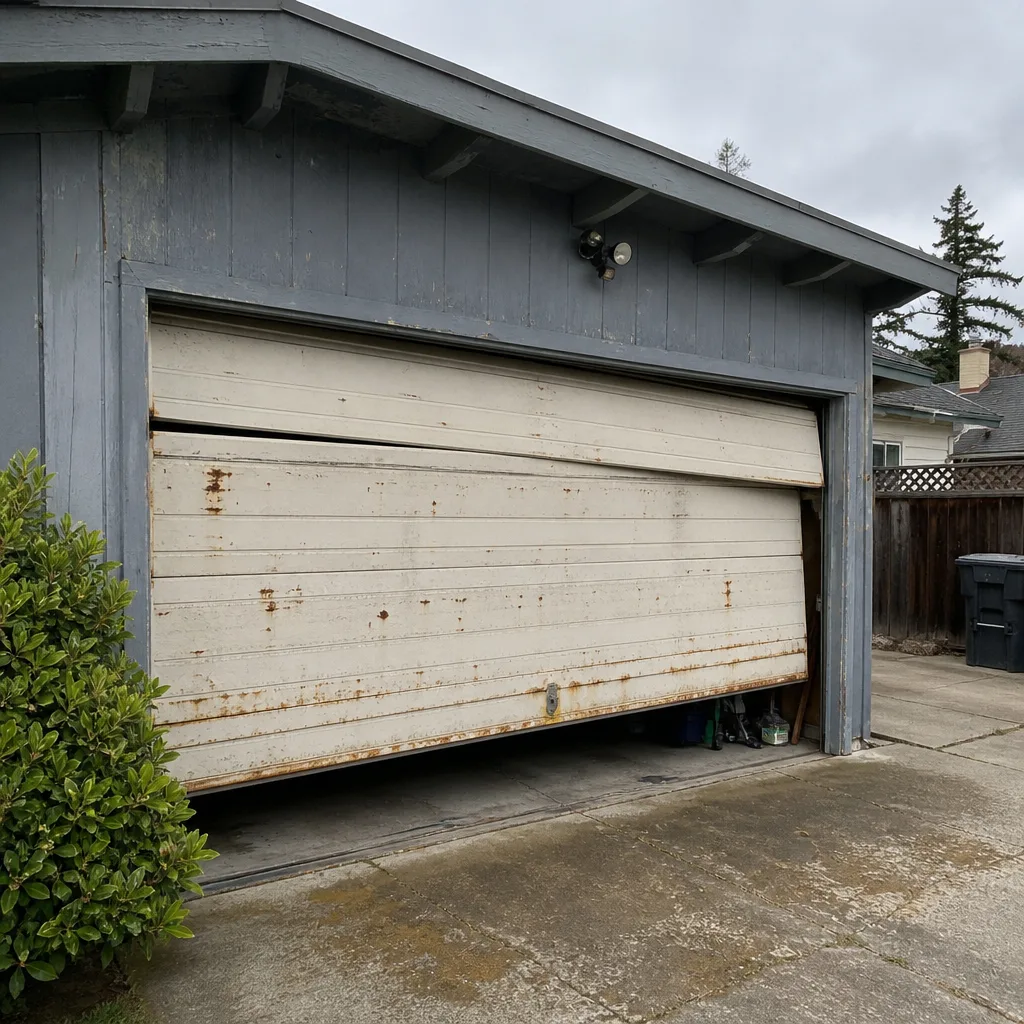 Before
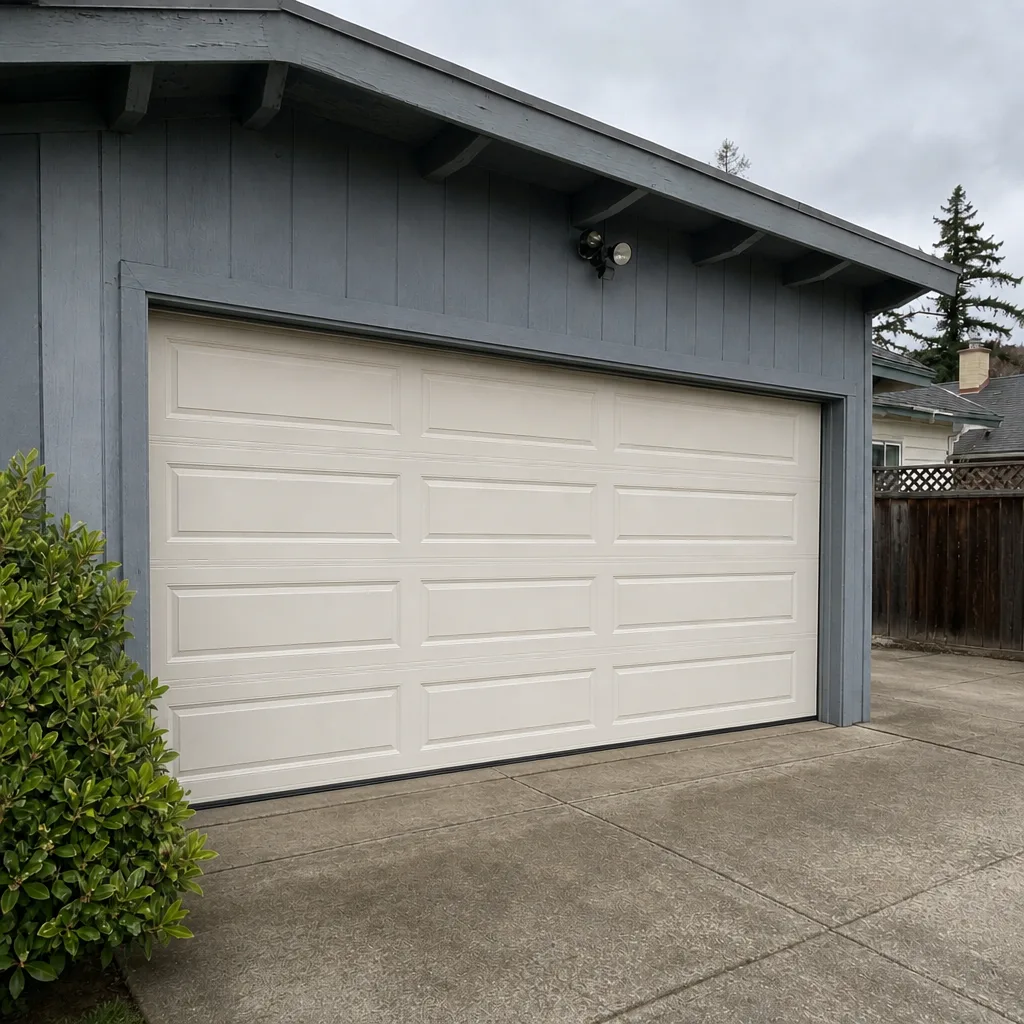 After
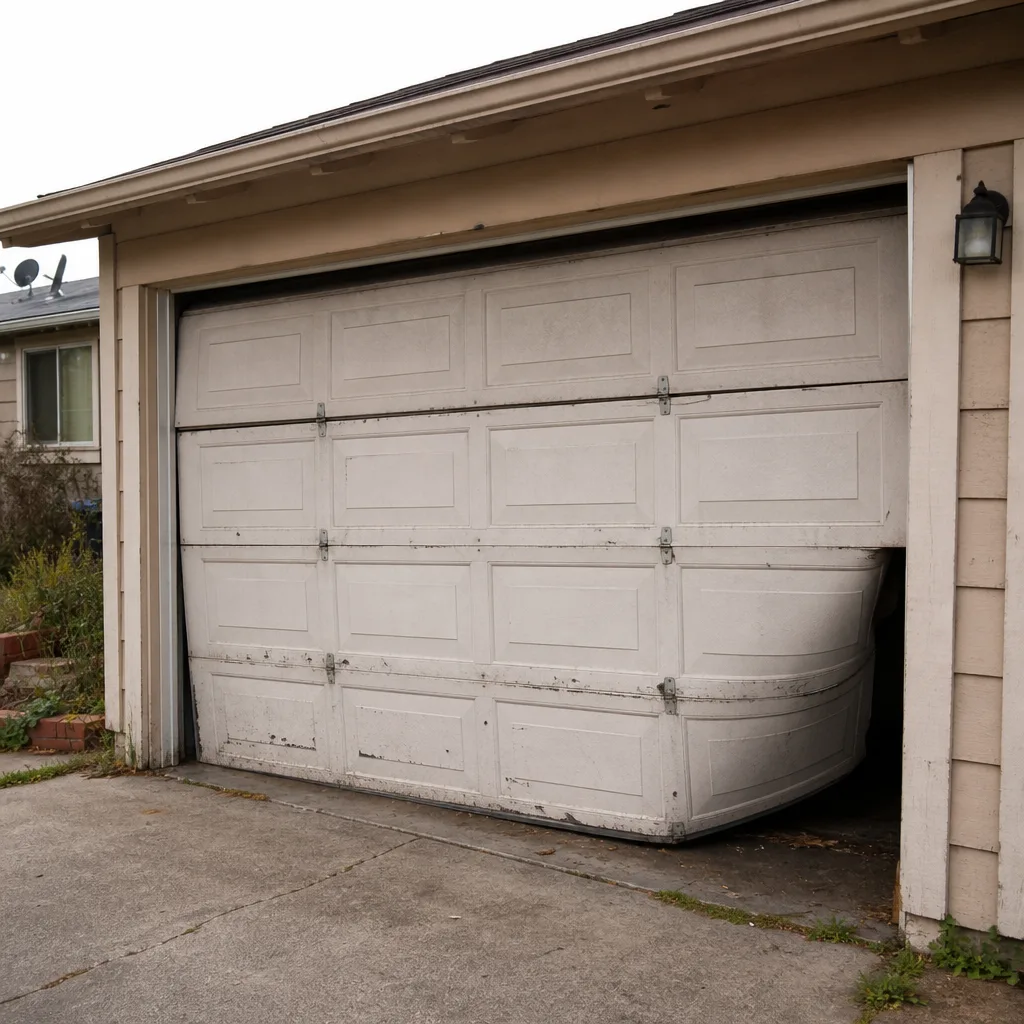 Before
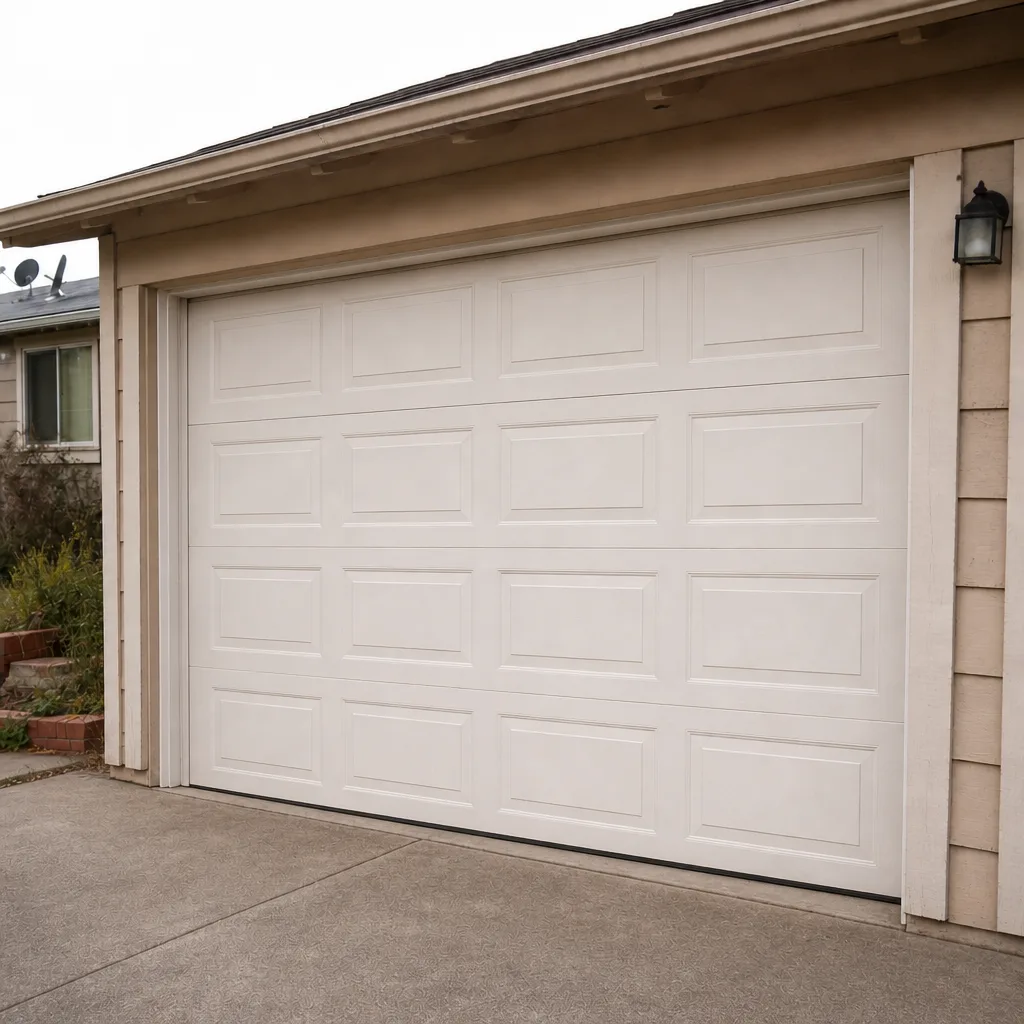 After
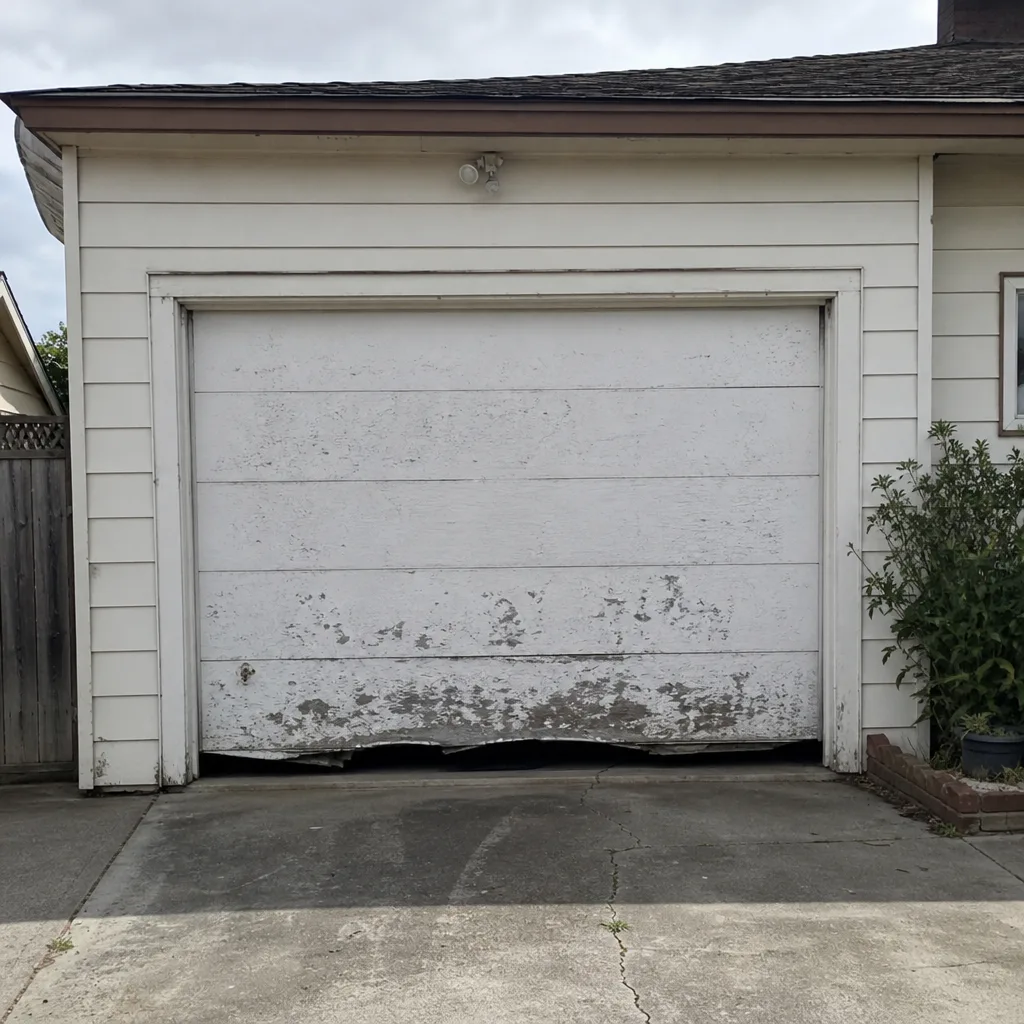 Before
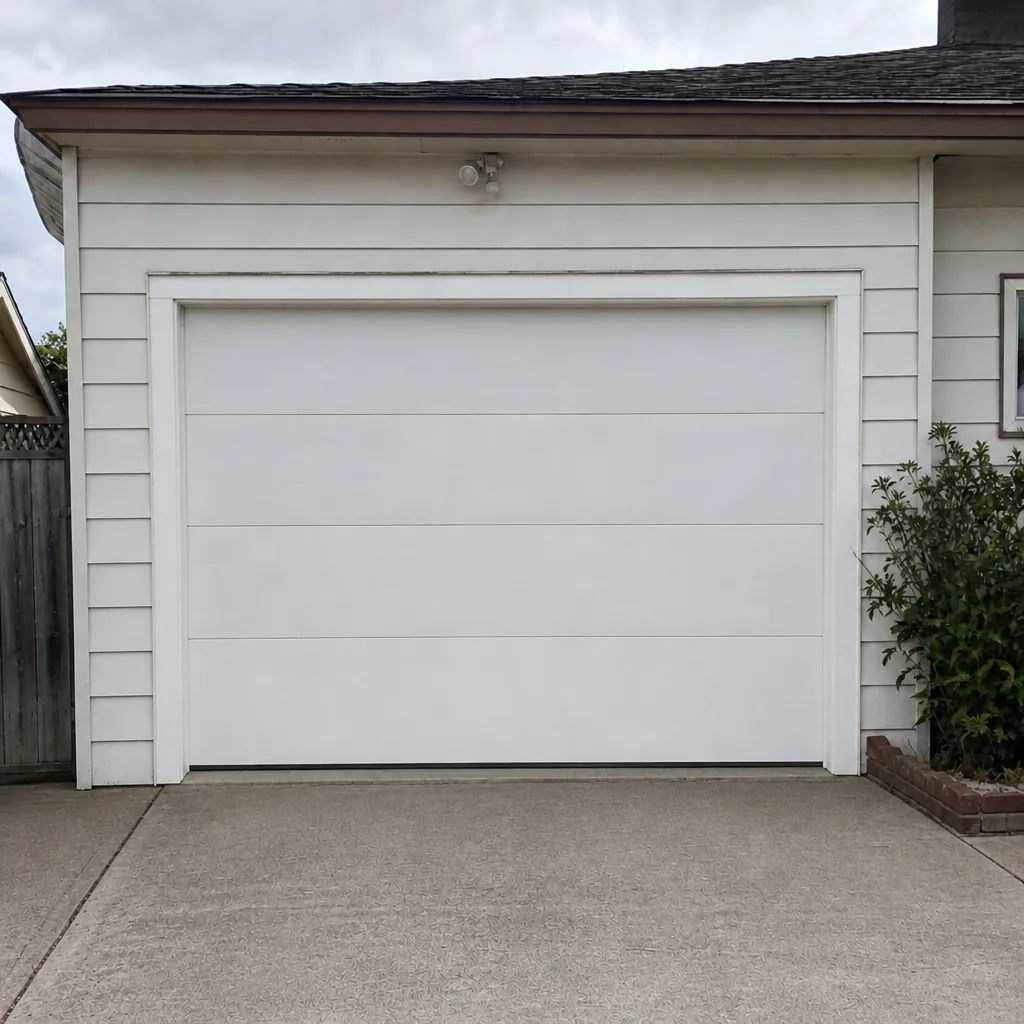 After
Frequently Asked Questions
Pull the manual release cord straight down with the door fully closed, then lift the door by the bottom section. The release disengages the door from the opener so you can open it by hand. If the door won’t lift or feels heavy, stop and call a professional. We answer 24/7 at (855) 339-8305, and we can get a technician out to check it.
California residential building code requires an earthquake disconnect on new automatic garage door opener installations. If your opener predates the requirement, a retrofit is worth discussing. To check, look for a small sensor or switch near the trolley, or ask your city’s building department what the current requirement is in your area. A garage door opener repair visit can confirm what you have and whether it needs an update.
Full-cycle operation means the opener can run the door through its full travel on battery power repeatedly. Partial operation means the door works for a limited number of cycles, then has to be operated manually. During a multi-day PSPS shutoff, full-cycle is what you want, and it’s worth confirming which one your unit provides before the next shutoff. If you don’t know, call (855) 339-8305 and we’ll walk you through checking it.
Check the tracks for kinks, the springs for visible breaks, the cables for slack, the hinges and rollers for seating, and the door panels for cracks or separation. Only if all of that looks normal should you run the opener with the door in view. If anything looks off, leave the door closed and call a professional. Springs and cables are under extreme tension and are not a DIY repair.
Yes. The opener can be in perfect working order and the door can still fail to open when the power is out, because the opener needs electricity to run. That’s why the manual release matters so much. If you’ve never practiced pulling it, do it now, with the door closed, then re-engage, so you know the mechanism works before you need it.
Not a special opener, but a working manual release and a battery backup unit are worth prioritizing. If the garage is the only vehicular exit, your preparedness plan should include confirming the release works, keeping a flashlight near the handle, and knowing your door will lift by hand. If the door fights you on the lift, that’s a problem to fix now, not during an emergency.
The Bottom Line
Garage door preparedness in Vallejo comes down to three habits. Know how your specific opener’s manual release works, and practice it once with the door closed. Check your battery backup before the shutoff season, not during it. And after an earthquake, run a visual inspection of the tracks, springs, cables, and panels before you touch the opener. If your home has a single-exit lot, add a flashlight and a practiced release to that list. Springs and cables aren’t a homeowner repair, ever. For everything else, a trained technician can confirm what’s safe. Vallejo homeowners can reach Trailhead Garage Door Repair at (855) 339-8305 for a free estimate.
Written by the team at Trailhead Garage Door Repair.